


How to Recover From a Sprained Ankle
Updated: Aug 25
You've twisted your ankle and the swelling is already a problem. Here’s a clear, five‑step plan to get you back on your feet without guessing.
Table of Contents
Step 1: Protect the Ankle and Check for Warning Signs
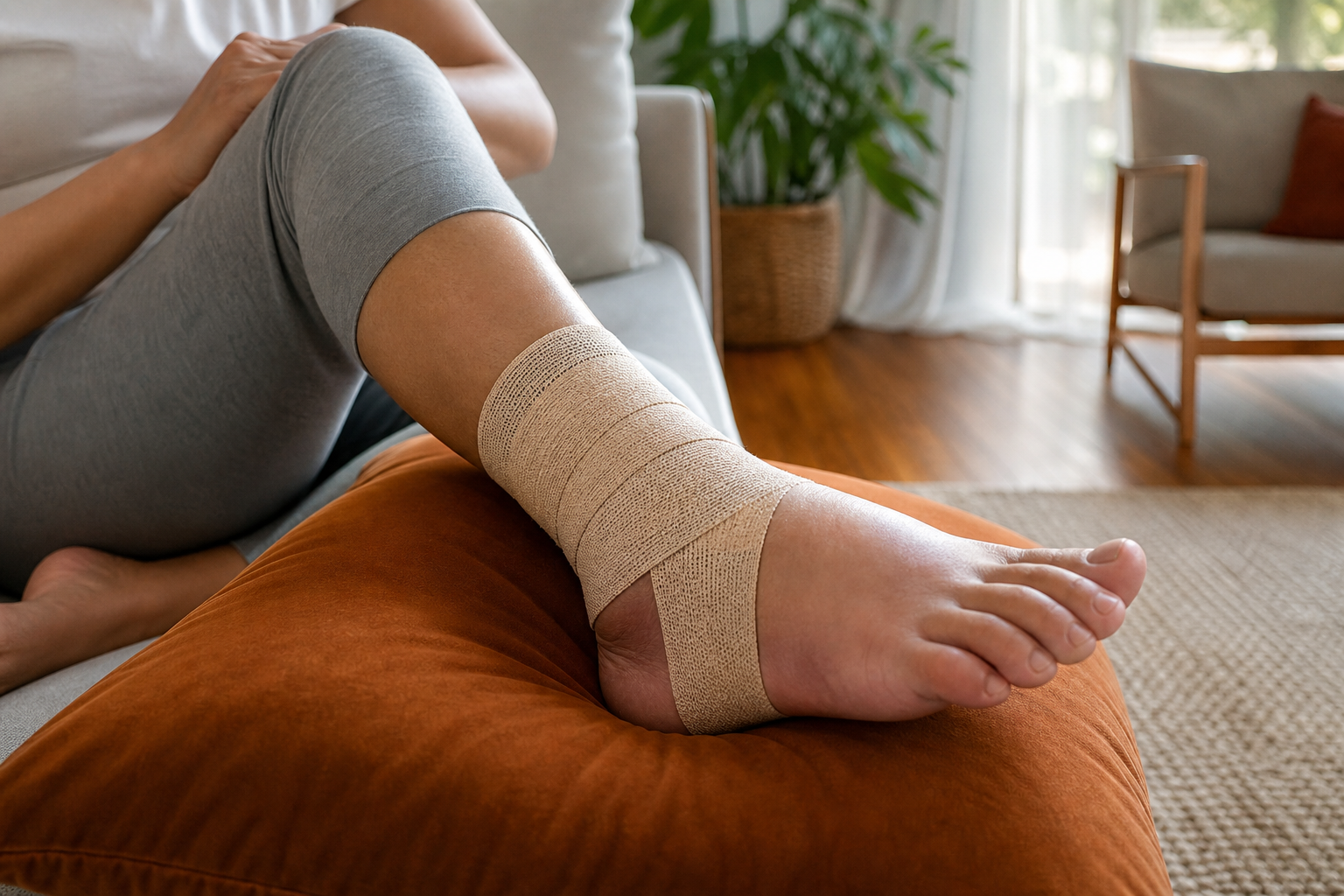
First, stop any activity that puts load on the joint. Sit down, keep weight off the injured side and gently improve the foot above heart level. Apply a loose, breathable wrap or an elastic bandage for light compression, it helps limit swelling without cutting circulation.
While you protect the ankle, look for red‑flag signs. Severe pain that spikes when you try to move, obvious deformity, or inability to bear weight after a few steps could mean a fracture. If any of these appear, seek urgent medical care.
Most sprains are mild enough for home care, but a quick check with a qualified clinician can confirm the grade and rule out hidden injury. Our clinic, Unleashed Health Chiropractic , offers a brief assessment that fits into a busy schedule.
Step 2: Manage Pain and Swelling in the First Few Days
Ice is your next tool. Apply a cold pack for 15‑20 minutes, three times a day. The cold reduces blood flow, which curbs inflammation. Make sure a thin towel separates the pack from skin to avoid frostbite.
Over‑the‑counter NSAIDs such as ibuprofen can help control pain and swelling, but follow the label dosage and watch for stomach upset. If you have any health conditions, ask a pharmacist or your doctor first.
Compression sleeves or a snug ankle brace add gentle pressure and keep the joint stable while you rest. Keep the ankle improved whenever you’re sitting or lying down, a pillow under the calf works well.
During this acute phase, avoid heat, massage, or aggressive stretching. Those actions can increase bleeding inside the ligament fibers and delay healing.
Step 3: Restore Gentle Ankle Movement
Once the swelling starts to subside (usually after 2‑3 days), begin gentle range‑of‑motion work. The goal is to move the joint without provoking pain.
Start with ankle circles: sit with the foot off the ground and trace small circles clockwise for 10 reps, then counter‑clockwise. If you feel a mild stretch, keep going; stop if pain spikes above a 3/10 level.
Next, try towel scrunches. Place a towel on the floor, use your toes to pull the fabric toward you. This activates the intrinsic foot muscles and improves flexibility.
Calf stretches follow. Loop a towel around the ball of the foot while the leg stays straight, gently pull until you feel a gentle pull in the back of the lower leg. Hold for 30 seconds, repeat three times.
These exercises may help maintain blood flow and reduce stiffness when introduced gradually. Learn more about gentle ankle movement .
Do the movements three times a day, resting at least an hour between sessions. By now you should have a pain‑free arc of motion and feel the ankle moving more freely.
Step 4: Rebuild Strength, Balance and Confidence
Strength work comes after you can move the ankle without sharp pain. Begin with isometric presses: sit with the foot flat, push the sole into the floor for 5 seconds, relax, repeat ten times. This contracts the surrounding muscles without moving the joint.
When that feels easy, add resistance bands. Loop a light band around the forefoot and pull it toward you (dorsiflexion) or push it away (plantar‑flexion). Perform 10‑15 reps each direction, focusing on smooth control.
Balance training is the missing piece that prevents re‑sprains. Stand on one leg, using a chair for support if needed. Hold for 20 seconds, then switch sides. As confidence grows, close your eyes or stand on a soft mat to increase the challenge.
Our chiropractic team combines these exercises with gentle adjustments that improve joint alignment and proprioceptive feedback. That full approach bridges the gap many generic guides leave open.
Step 5: Return Gradually to Walking, Work and Sport
Now the ankle can handle light load, but you still need a phased return to full activity. Begin with short, level walks, 5 minutes at a comfortable pace, three times a day. Monitor pain; it should stay below a 2/10 level and not worsen the next morning.
Progress to brisk walking or light jogging for 10‑15 minutes once you can walk pain‑free for 20 minutes. Add stair climbs, focusing on controlled steps.
When you feel steady, re‑introduce sport‑specific drills. For a runner, start with intervals: 30 seconds easy jog, 30 seconds walk, repeat five times. For a basketball player, practice side‑to‑side shuffles without sudden cuts.
If any activity causes a flare, step back to the previous level for another few days. Consistency beats speed, the goal is a stable ankle, not a quick sprint back to the court.
For athletes who want extra nutritional support, consider anti‑inflammatory foods or joint‑friendly supplements. Dietary approaches may fit a recovery diet.

FAQ: Recovering From a Sprained Ankle
How long does a typical ankle sprain take to heal?
Most mild sprains improve within 1‑2 weeks, while moderate injuries may need 3‑6 weeks of structured rehab.
When should I see a chiropractor for a sprained ankle?
If pain persists beyond 5‑7 days, swelling doesn’t reduce, or you notice instability, a visit to Unleashed Health Chiropractic can provide targeted adjustments and a personalized rehab plan.
Can I use heat in the first days after a sprain?
No. Heat increases blood flow and can worsen swelling in the acute phase; stick to ice and gentle motion for the first 48‑72 hours.
Is it safe to use an over‑the‑counter brace?
Yes, a soft brace offers support while allowing limited movement, which is ideal once swelling subsides.
What exercises help prevent future ankle sprains?
Regular balance drills, such as single‑leg stands on a wobble board, and strengthening with resistance bands keep the ankle stable and reduce re‑injury risk.
We hope this step‑by‑step guide gives you confidence to heal smartly. For a deeper look at full injury care, explore more resources on our site. Take the first step today: schedule a brief assessment with Unleashed Health Chiropractic and get a plan tailored to your ankle.


Comments