


Cluster headache vs migraine: key differences
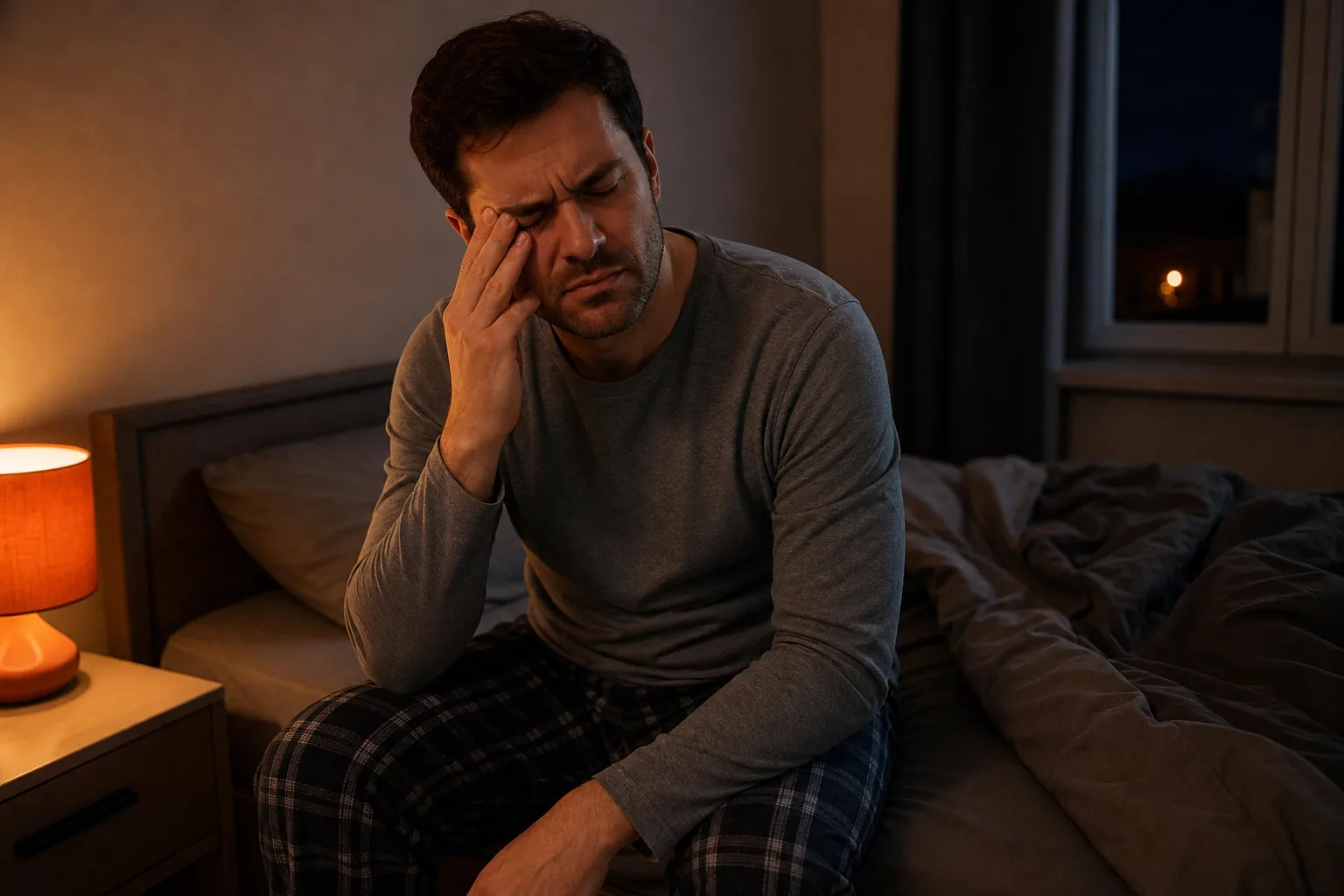
A sharp pain around one eye can feel very different from a long, throbbing migraine. In this cluster headache vs migraine comparison, we’ll look at the pain pattern, attack length, other symptoms and care options, so you can describe what’s happening to a health professional.
Table of Contents
Cluster headache: severe, one-sided pain around the eye
A cluster headache is a recurring headache disorder that causes severe pain on one side of the head, often around the eye or temple. Attacks commonly last 15 minutes to three hours. They may come several times a day during a cluster period, then stop for a time.
The pain can start quickly and feel sharp or piercing. On the same side, an eye may water or look red, and the nose may feel blocked or run. A drooping eyelid can also occur. People with cluster headache may feel restless during an attack, rather than wanting to lie still.
MedlinePlus’s overview of cluster headache describes attacks that may happen daily or almost daily for weeks or months, with pain-free periods between bouts. A clinician may ask how long each attack lasts and whether the symptoms recur on the same side.
The timing can be a clue. Attacks may arrive at a similar time each day, including during the night. The hypothalamus, an area of the brain involved in the body clock, is thought to be linked with the daily and seasonal patterns. The exact role is still being studied.
Alcohol and nitrate-containing foods can trigger attacks for some people during a cluster period. Triggers vary, though, and a trigger alone can’t confirm the diagnosis. A simple diary of attack times, length and symptoms may give your doctor useful details.
If you want a closer look at acute care and prevention, our overview of cluster headache treatment options explains the role of medical assessment. Unleashed Health Chiropractic is based in Ascot Vale and provides care for headaches and migraines, but a suspected cluster headache needs assessment by an appropriate medical professional.
Migraine: longer attacks with sensory symptoms
Migraine is a neurological condition that can cause a throbbing or pulsing headache. Pain may affect one side or both sides of the head. An untreated attack often lasts four to 72 hours, much longer than a typical cluster headache attack.
Nausea is common, and some people vomit. Light or sound may feel hard to tolerate. Movement can make the pain feel worse, so a person may prefer a quiet, dark place to rest. Symptoms differ between people and can change from one attack to another.
Some people have aura before or during a migraine. Aura means temporary nervous system symptoms. It may involve flashing lights or blind spots, tingling, numbness, or trouble speaking. These symptoms usually build over several minutes and can last up to an hour, but not everyone with migraine has aura.
Mayo Clinic’s migraine information notes that migraine can include throbbing pain, nausea, vomiting and sensitivity to light or sound. It also describes changes before and after the headache, such as tiredness or feeling washed out.
Stress, sleep changes, hormonal shifts, missed meals and sensory stimulation may be linked with attacks for some people. A diary can help you notice a pattern, but it doesn’t prove that one factor caused an attack. Try recording the timing and symptoms without blaming yourself for them.
For self-care ideas that sit alongside medical advice, see our migraine relief suggestions . Unleashed Health Chiropractic treats migraines as a listed common condition and takes a health history before tailoring care. Chiropractic care shouldn’t replace a GP’s assessment or migraine-specific medical treatment.
Cluster headache vs migraine: compare duration, pain pattern and symptoms
Both conditions can cause intense head pain, and symptoms can overlap. The clearest clues are often how long an attack lasts, where the pain sits and what you feel like doing during it. A table can help you describe those patterns, but it can’t diagnose the cause.
Feature | Cluster headache | Migraine |
Typical pain | Severe, sharp pain on one side, often around the eye or temple. | Throbbing or pulsing pain, often on one side but sometimes across the head. |
Typical attack length | About 15 minutes to three hours. | About four to 72 hours if untreated. |
Other symptoms | Same-side tearing, red eye, blocked or runny nose, or a drooping eyelid. Restlessness can occur. | Nausea or vomiting, sensitivity to light or sound, and sometimes aura. |
Common pattern | May recur at similar times, including overnight, during a cluster period. | May have warning signs before pain and tiredness or other symptoms afterward. |
What may feel more comfortable | Restlessness or pacing can occur during the attack. | A quiet, dark place may feel easier for some people. |
Acute care to discuss | A clinician may consider oxygen therapy or a triptan medicine. | A clinician may discuss migraine-specific acute treatment, including triptan medicines for some people. |
Cluster headache tends to be shorter but may recur more than once in a day. Migraine usually lasts longer, and the pain can change in intensity while the attack continues. Those patterns are useful clues, not firm rules for every person.
Eye watering or nasal congestion can happen with either condition. With cluster headache, these signs usually occur on the same side as the pain. Migraine can also include them, so the full symptom pattern and attack length matter.
One useful distinction is how movement feels during an attack. Someone with a cluster headache may pace or feel unable to keep still. A person with migraine may prefer to lie quietly. Neither response is required for a diagnosis.
For headache symptoms beyond these two conditions, our page on headaches and migraines in Ascot Vale outlines other patterns people may discuss with a clinician. Keep a record of what you notice, especially if the type or frequency of pain changes.
Key takeaway:Attack length, one-sided eye or temple pain, and same-side eye or nose symptoms can help a clinician tell these patterns apart.
Diagnosis, care and when to seek medical advice
A clinician usually starts with your history and symptoms. They may ask where the pain occurs, how quickly it begins, how long it lasts and whether you have eye, nose, stomach or sensory symptoms. Notes about timing and frequency can make that discussion clearer.
There isn’t one symptom that proves the cause. Migraine is generally diagnosed from its symptom pattern and medical history. A clinician may consider imaging when the headache pattern or examination suggests another cause.
Acute care differs. The right approach depends on clinical assessment and access to care.
For migraine, a clinician may discuss an acute treatment plan. Some people may also need preventive care to reduce how often attacks happen. Treatment choices depend on a person’s symptoms, health history and other medicines. Don’t start, stop or change a prescribed medicine without speaking with the prescriber or pharmacist.
Further information about cluster headache in adults . A GP can help assess recurring headaches and refer you for further care when needed.
Seek emergency medical care for a sudden, severe headache that peaks quickly, or a headache with new weakness, confusion, fainting, seizure or trouble speaking. Get prompt medical advice if your usual headache pattern changes, symptoms are new, or you’re concerned. Don’t assume a new or severe headache is a familiar condition.
We understand that headaches can affect daily life in different ways. At Unleashed Health Chiropractic in Ascot Vale, an initial appointment includes a medical history and physical, neurological, orthopaedic and chiropractic examinations. This assessment can help identify whether chiropractic care is appropriate for your needs, while medical diagnosis and headache treatment remain with your GP or relevant medical clinician.
Frequently asked questions
How can I tell if it’s a cluster headache or a migraine?
Cluster headache often causes sharp, severe pain around one eye on one side, with same-side tearing or nasal symptoms. Migraine more often lasts longer and may include throbbing pain, nausea or light sensitivity. These clues overlap, so a clinician should assess new or recurring headaches rather than relying on one symptom.
Can a cluster headache last for days?
A single cluster headache attack typically lasts 15 minutes to three hours. But attacks may recur during a cluster period that lasts weeks or months. That repeated pattern can make the overall spell feel prolonged, even though each attack is shorter. A clinician can help assess the pattern and discuss care options.
Can migraine cause a runny nose or watery eye?
Yes, these symptoms can occur with migraine, although they’re often linked with cluster headache. With cluster headache, eye or nose symptoms usually occur on the same side as the pain. Migraine may affect both sides or have a broader symptom pattern. A clinician considers the full history, not one sign alone.
When should I seek urgent help for a headache?
Seek emergency care for a sudden, severe headache that peaks quickly, especially with new weakness, confusion, fainting, seizure or trouble speaking. Contact a doctor promptly if your headache pattern changes or you develop new symptoms. If you’re unsure how urgent your symptoms are, seek medical advice rather than waiting for self-care to work.
Conclusion
Short, repeated attacks around one eye with same-side eye or nose symptoms point toward a cluster headache pattern; longer attacks with nausea or light sensitivity may fit migraine. A clinician can assess your symptoms and discuss care. If you’re in Ascot Vale or nearby, you can ask Unleashed Health Chiropractic whether an assessment is suitable alongside medical care.


Comments