


10 Glute Strengthening Exercises to Try
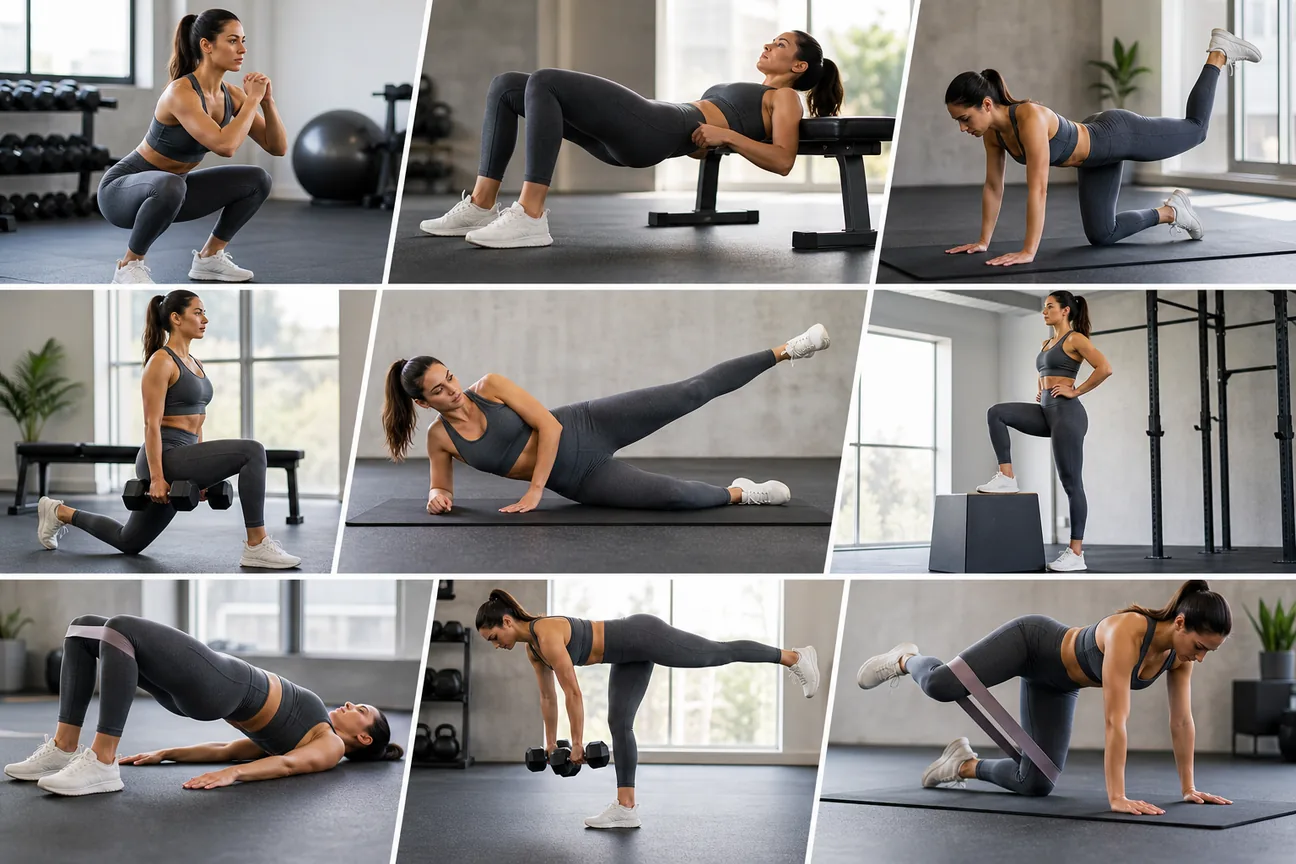
Glute muscles help with hip movements used in daily tasks, such as standing up and stepping forward. These 10 glute strengthening exercises start with floor-based options and build towards single-leg and band movements. Use the cues as general guidance, not a plan that suits everyone.
Table of Contents
1. Glute Bridge: a no-equipment starting point
A glute bridge is a beginner-friendly floor exercise that needs no equipment. Lie on your back with knees bent and feet flat. Tighten your buttocks, then lift your hips to a comfortable height. Keep your ribs relaxed and avoid arching your lower back.
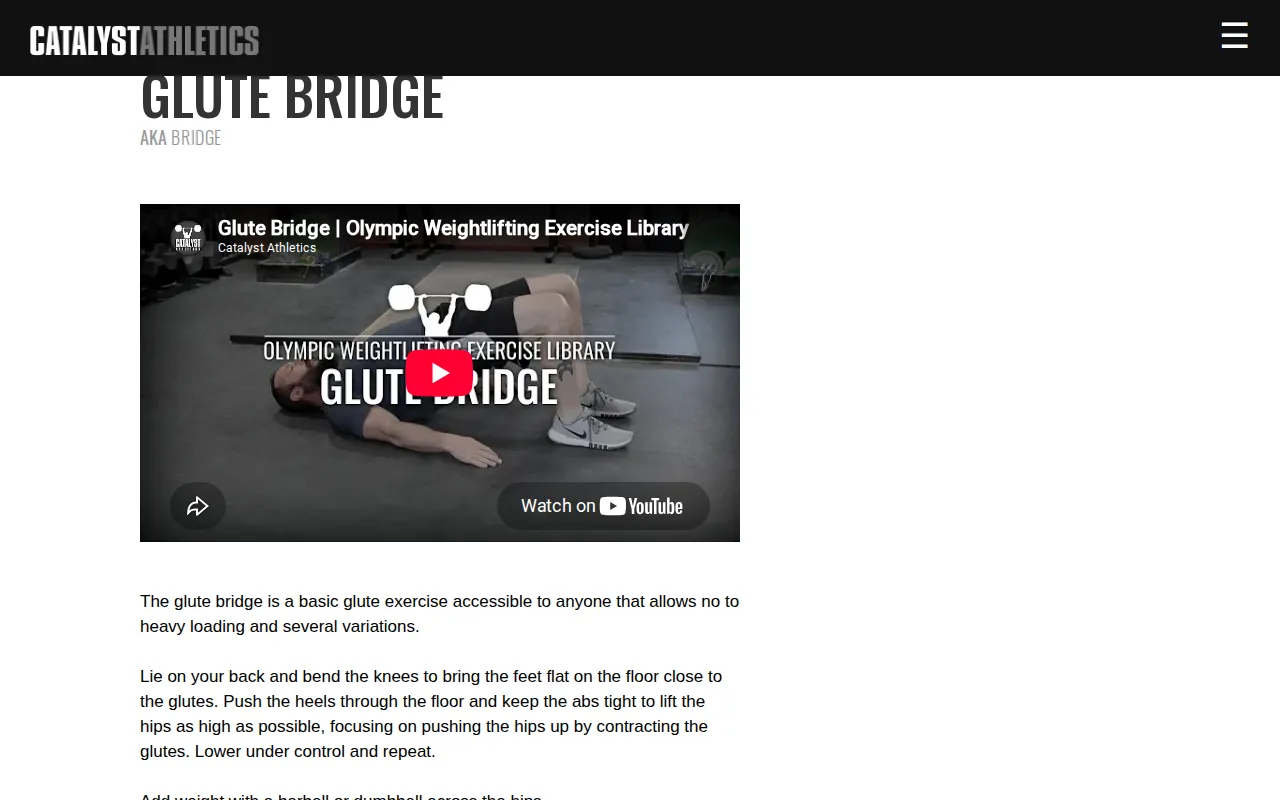
Try 1 or 2 sets of 8 to 12 slow reps. If the lift feels awkward, raise your hips only a small distance. A lower-back strength routine can help you compare this movement with other low-load options.
2. Bodyweight Squat: a familiar lower-body option
A bodyweight squat works the glutes as well as other muscles in the legs. Stand with your feet about hip-width apart. Send your hips back, bend your knees, and lower only as far as you can keep your balance. Then press through your feet to stand.
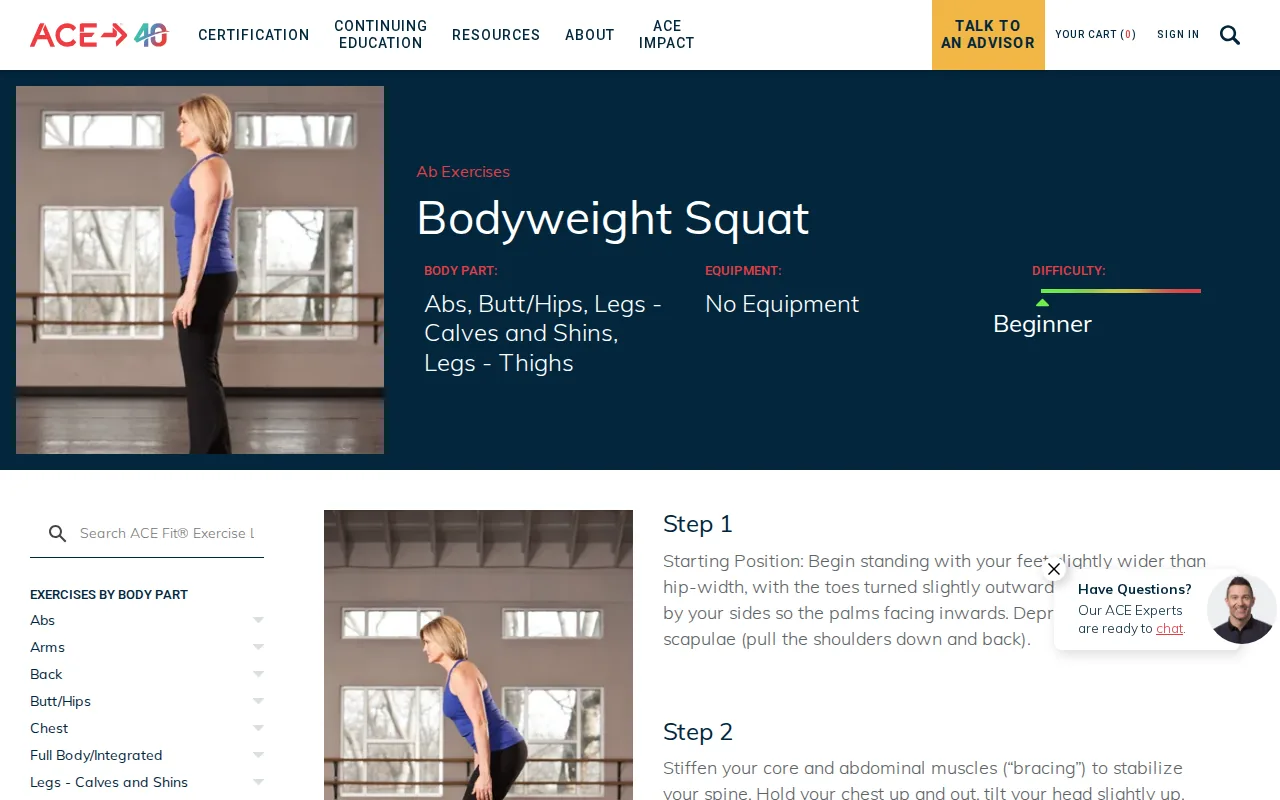
Start with 1 or 2 sets of 6 to 10 reps. Sitting down to a firm chair and standing again can make the movement easier. Keep your knees pointing in the same general direction as your toes, and use a smaller range if you lose control.
3. Jump Squat: a higher-impact power variation
A jump squat adds a brief jump to a squat, so it asks for more speed and impact. Begin with a shallow squat. Push through your feet to jump a small distance, then land softly with knees bent. Reset your stance before the next rep.
Only try it if a regular squat feels controlled and jumping suits your current ability. A cautious starting point is 1 set of 4 to 6 jumps. For an easier version, rise onto your toes quickly without leaving the floor. Stop if you feel pain or can't land steadily.
4. Walking Lunges: a moving single-leg exercise
Walking lunges train one leg at a time while you move forward. Take a step that feels steady, bend both knees a little, then push through your front foot to bring the back leg through. Keep your torso upright and make each step short enough to stay balanced.
Try 1 set of 5 to 8 steps per side. If walking lunges feel unsteady, hold a bench or wall and practise a small split squat in place. You can also use a shorter step. The goal is a smooth movement, not a deep lunge.
5. Single-Leg Deadlift: a balance and hip-hinge challenge
A single-leg deadlift is a balance challenge that works the glutes and hamstrings. Stand near a wall for support. Soften one knee, then hinge forward at your hips as the other leg reaches behind you. Keep your back long and hips facing the floor. Return to standing with control.
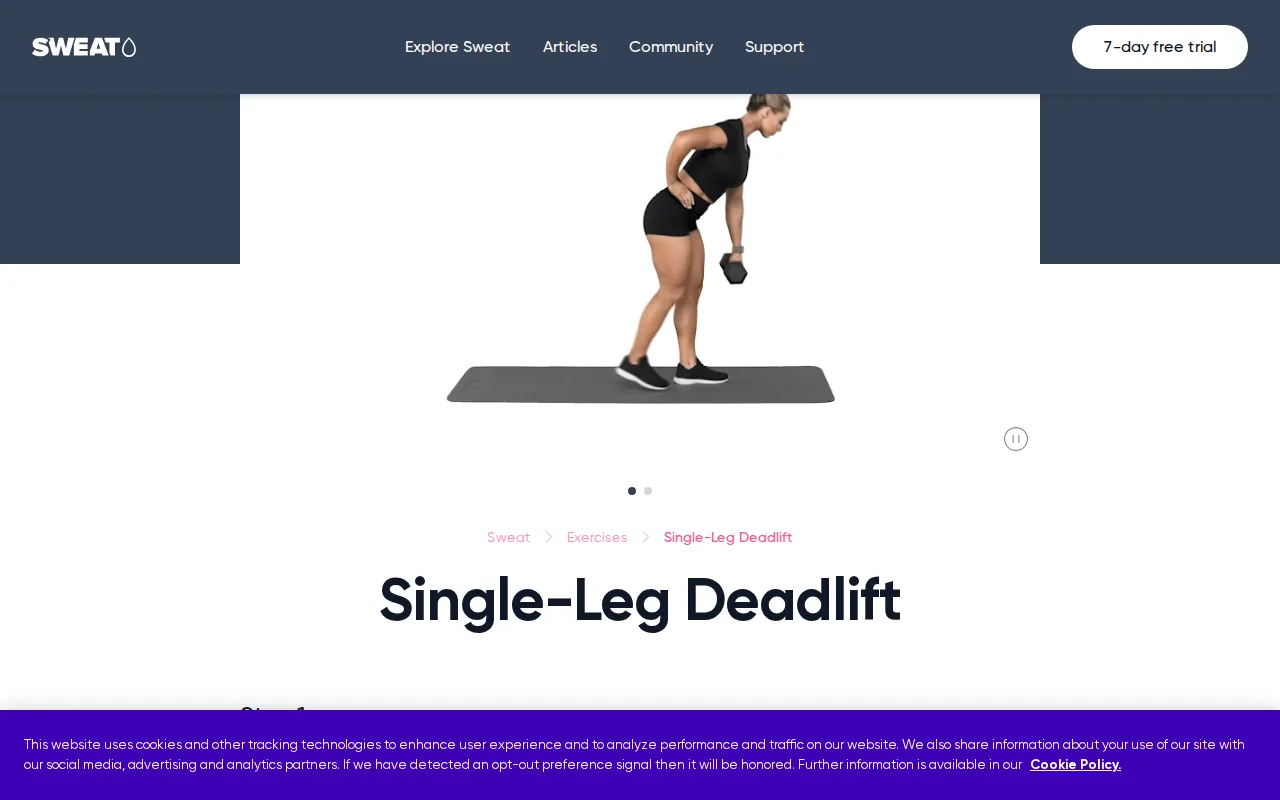
This movement is often treated as an intermediate or advanced option. Start with 1 set of 5 to 8 reps per side, using a light fingertip hold if needed. A simpler version is a kickstand hinge, with the back toes resting on the floor.
6. Clamshell: targeted side-lying hip work
A clamshell is a side-lying exercise that targets muscles on the outer hip. Lie on your side with your knees bent and feet together. Keep your hips stacked, then lift the top knee without rolling your body backwards. Lower it slowly.
Try 1 or 2 sets of 8 to 12 reps on each side. Keep the lift small if your pelvis shifts. When the movement feels controlled, a light resistance band above your knees can add challenge. If hip discomfort affects daily activity, read our guide to starting exercise for hip pain .
7. Banded Side Steps: a simple resistance-band option
Banded side steps use a resistance band to add challenge to sideways steps. Place a light band above your knees, stand with a small bend in both knees, then step to one side. Bring the other foot in without letting the band go slack. Take a few steps each way.
Try 1 or 2 sets of 5 steps in each direction. Use a wall or bench nearby for balance. If the band makes it hard to keep your knees steady, remove it and practise the steps without resistance first.
8. Donkey Kicks: a floor-based hip-extension movement
Donkey kicks are a floor-based way to practise hip extension. Start on your hands and knees, with your hands below your shoulders. Keep one knee bent and lift that leg behind you a short distance. Keep your back still, then lower the knee with control.
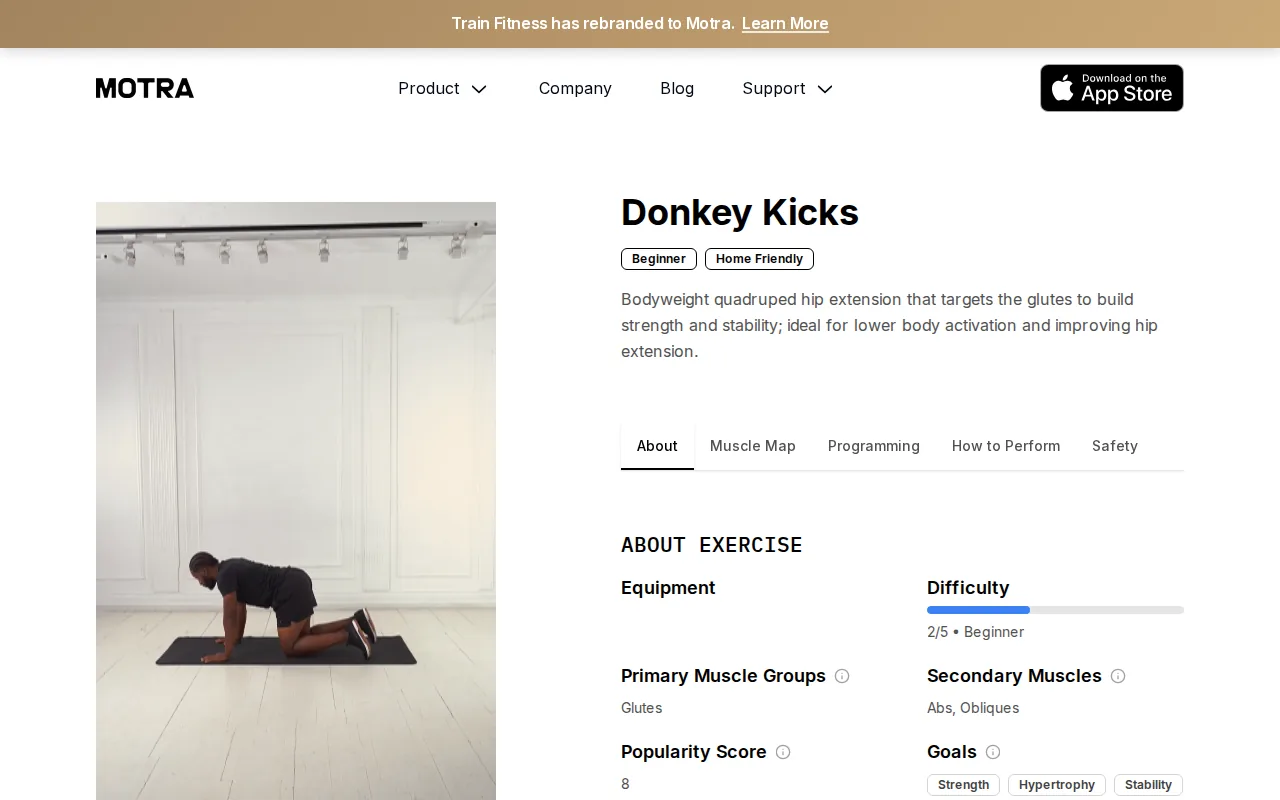
Try 1 or 2 sets of 6 to 10 reps per side. A smaller lift can help you keep your spine steady. If kneeling is uncomfortable, choose a standing hip extension while holding a sturdy support, and move the leg only as far as feels manageable.
9. Hip Thrust: a loaded hip-extension variation
A hip thrust uses a raised upper back to increase the range of hip movement. Sit on the floor with your shoulder blades against a stable bench or couch. Keep your feet flat, then press through them to lift your hips. Let your pelvis drive the movement while your chest stays in a steady position.
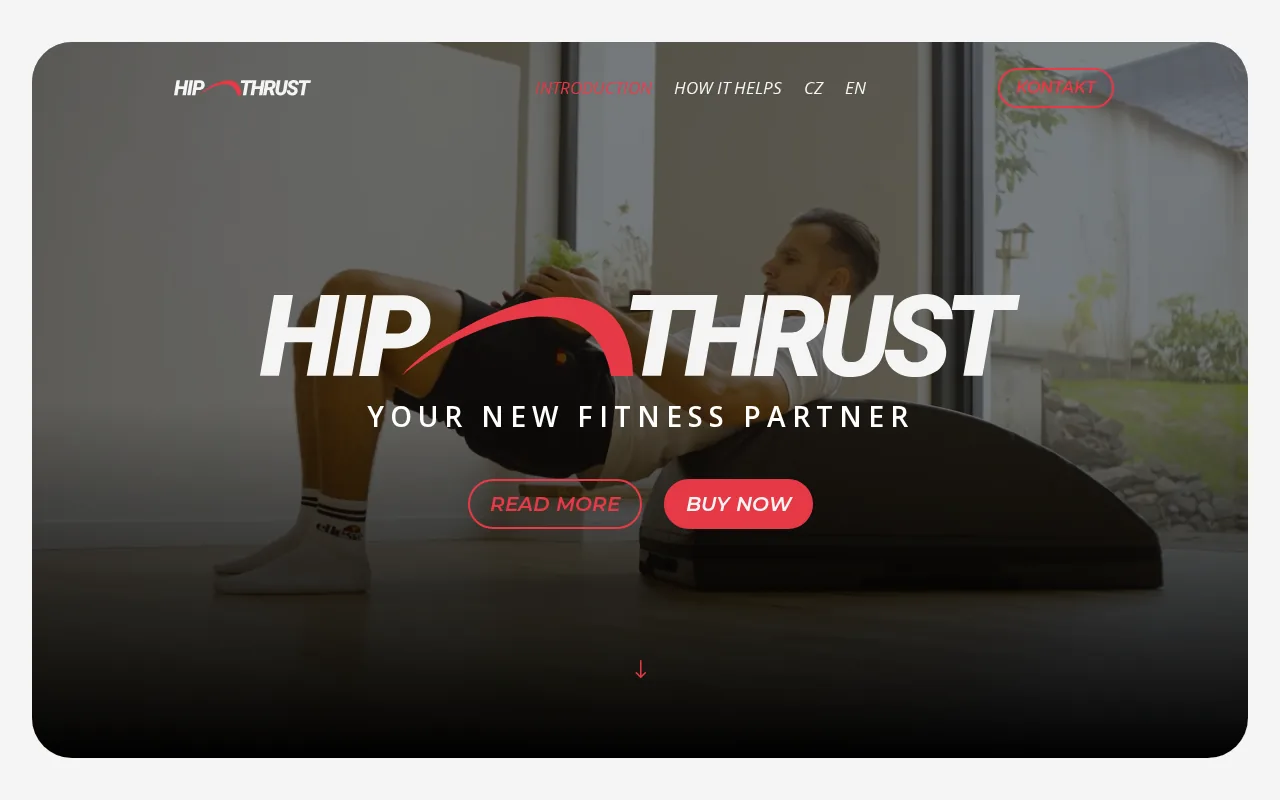
Practise with bodyweight before adding a load. Start with 1 or 2 sets of 6 to 10 reps, and stop at a height you can control without arching your back. If setting up against furniture feels uncertain, use a glute bridge on the floor instead.
10. Side-Lying Hip Abductions: a controlled side-hip option
Side-lying hip abductions involve lifting the top leg while lying on your side. Keep your body still and your top leg straight, with your toes pointing ahead. Raise the leg a short way, pause, then lower slowly. Avoid rolling your trunk backwards as the leg lifts.
Try 1 or 2 sets of 8 to 12 reps per side. A small lift is enough for practice; you don't need to chase height. Keep your trunk still and make the lift controlled, as shown in this exercise guidance.
Build a balanced glute session around your needs
There isn't one session that fits every person. For a simple home session, choose a floor movement, a standing movement, then one side-hip option. For example, pair a glute bridge with a squat and a clamshell. If you run, a controlled lunge or hip hinge may be another option to practise.
Start with 1 or 2 sets of each selected exercise. A range of 6 to 12 slow reps is a general starting suggestion, not a fixed target. Rest when you need to. Leave enough time between demanding sessions to feel ready to move well again.
You can also try a basic balance check beside a stable support. Stand on one leg for a few seconds, then switch sides. Notice whether you can stay steady and whether one side feels less controlled. This isn't a diagnosis or a pass-or-fail test. If balance is a concern, skip it and ask a health professional about suitable options.
Hip-extensor and hip-abductor exercise series can use 10 repetitions, each held for 10 seconds. That's a protocol, not a universal prescription for your routine.
Movement role | Exercise examples | Choose this when |
Floor-based | Bridge, clamshell, donkey kick | You want to practise in a supported position. |
Standing | Squat, walking lunge, single-leg deadlift | You want to practise balance or a hip hinge. |
Added resistance | Banded side steps, loaded hip thrust | Your bodyweight version feels controlled and you want more challenge. |
Keep a simple record of the exercise, sets and reps you complete. A strength-training tracker can help you log a routine and see what you did from one session to the next.
Key Takeaway:Pick a few movements you can perform with control, then adjust the choice or range to suit your comfort.
Make each movement manageable, then progress gradually
Make one change at a time. First, build control with a smaller range or fewer reps. Once that feels steady, add a few reps or try a light band. Save jumps and single-leg hinges for when the easier versions feel controlled.
Slow down if your knees drift inward, your hips twist, or your lower back takes over. These can be signs to reduce the range or choose an easier variation. Stop an exercise if it causes sharp or rising pain. Unleashed Health Chiropractic provides rehabilitation exercises as part of its chiropractic services in Ascot Vale. An assessment can help you discuss whether a movement fits your situation. For general low-back exercise guidance, see our lower-back pain exercise advice .
Seek prompt medical care for new leg weakness, numbness around the groin, changes in bladder or bowel control, or severe sudden pain. These symptoms need medical attention rather than changes to an exercise routine.
Pro Tip:Keep the version that feels smooth; you don't need to make every exercise harder in the same session.
Frequently asked questions
How often should I do glute exercises?
How often you train your glutes depends on your current activity, recovery and comfort. Begin with a manageable session and notice how you feel later that day and the next. If you have pain, an injury or a health condition, ask a suitable health professional before setting a schedule.
Can I strengthen my glutes without equipment?
Yes, many options in this list use only bodyweight, including bridges, squats, lunges and clamshells. A resistance band is one way to add challenge later, but it's optional. Start with a version you can control and change one part of the exercise at a time.
Which glute exercise should a beginner try first?
A glute bridge is a simple starting option because you perform it lying on your back and don't need equipment. Use a comfortable lift height and keep your back relaxed. If it doesn't feel suitable, stop and consider a different movement or ask a health professional for individual advice.
Should glute exercises hurt?
Don't push through sharp or worsening pain. Muscle effort can feel different from pain, and your response may depend on the movement and your health. Stop if symptoms increase, or if you feel new weakness or numbness. Seek medical advice when symptoms are severe, sudden or concerning.
Conclusion
Choose three movements that feel manageable and practise them with a steady pace before adding more challenge. If you have ongoing discomfort or aren't sure which options suit you, Unleashed Health Chiropractic in Ascot Vale can discuss an assessment and your exercise goals.


Comments