


Back Pain Ascot Vale: Causes, Care and Local Support
Updated: Sep 27
A sore back after sitting at work, lifting a garden pot or getting through a busy day can make even easy tasks feel hard. In Ascot Vale, the first step is understanding what may be causing the pain, then choosing a safe way to stay moving or seek help.
Table of Contents
Common Causes and Symptoms of Back Pain
Back pain in Ascot Vale can start after a clear strain, but it can also build up without one obvious cause. Long spells of sitting, a sudden bend or twist, and doing more lifting than usual may irritate the muscles, ligaments or small joints around the spine.
The lower back includes bones called vertebrae, soft discs between them, joints, muscles and ligaments. Pain may come from any of these parts. Most cases of low back pain are not linked to a serious spinal problem, and many improve over a few weeks.
People describe symptoms in different ways. You might feel a dull ache, stiffness after sitting, or pain that makes bending and turning harder. Some people feel discomfort around the buttock or hip as well. The sacroiliac joint, or SIJ, joins the base of the spine to the pelvis. Irritation around this area can cause pain near the bony points at the back of the pelvis, though symptoms alone can’t confirm the source.
That’s why it’s best not to assume that every ache is a disc problem or an SIJ sprain. An assessment can look at how the pain began, what movements affect it and whether other symptoms need medical review. If it’s mainly worse after desk work, these tips for sitting with lower back pain may help you change position more often.
Seek urgent medical care if back pain comes with new loss of feeling or movement in your limbs, or trouble controlling your bladder or bowel. Get timely advice if pain is worsening, keeps returning or limits your usual activity.

Assessment and Care Options in Ascot Vale
When back pain in Ascot Vale is not settling, an assessment can help you understand what to do next. At Unleashed Health Chiropractic , we take the time to hear how the problem affects your work, sleep and daily movement before discussing care options.
A useful assessment starts with questions about when the pain began, what makes it better or worse, and whether it travels into a leg. A practitioner may check how you move and assess strength or sensation when appropriate. This helps decide whether chiropractic care fits your needs or whether you should first speak with a GP or another health professional.
Watch this short video about lower back and pelvis pain in Ascot Vale. It discusses the sacroiliac joint and examples of care that may be considered after an individual assessment.
Care depends on the person and the assessment. A chiropractor may discuss a chiropractic adjustment, which is a hands-on technique applied to a joint, or other manual care. Exercise advice may also form part of a plan. Osteopaths and physiotherapists can assess and treat musculoskeletal concerns within their own professional scope. Remedial massage may help some people manage muscle tension, but it isn’t a substitute for checking symptoms that need medical care.
Dry needling may be discussed by a suitably trained practitioner for some muscle-related concerns. It isn’t right for everyone, and it shouldn’t be chosen from a symptom description alone. Ask what the technique involves, why it may suit your situation and what other options are available.
We tailor care to your symptoms and goals rather than assume one approach suits every back. You can read about local chiropractic care in Ascot Vale and the assessment process at Unleashed Health Chiropractic.
Movement, Rehabilitation and Everyday Back Care
For many people with back pain, gentle movement is a better starting point than staying in bed. Staying active and returning to normal tasks as you can may help. If pain continues, consider discussing your concerns with a doctor.
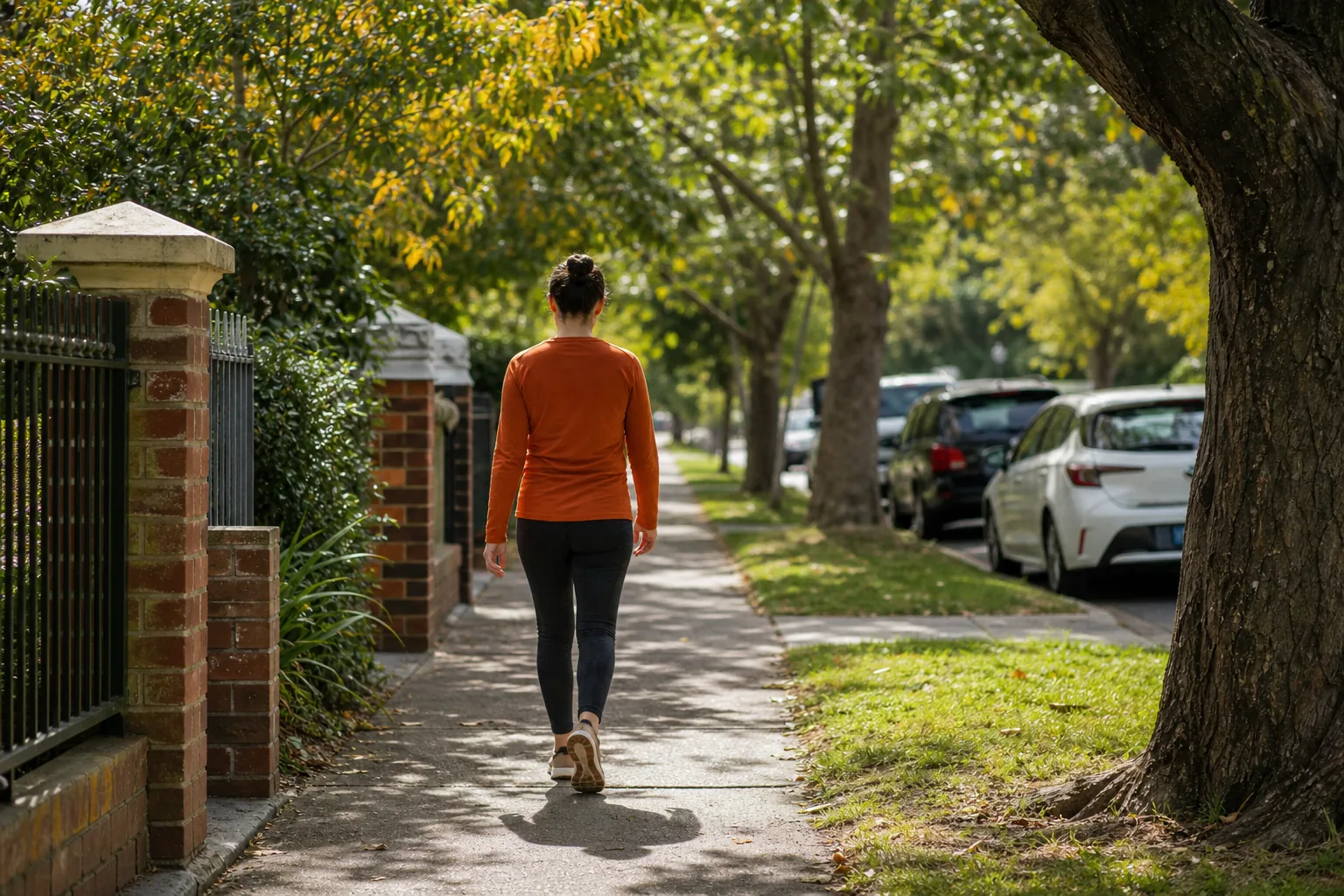
Begin with an activity that feels manageable. A short walk around the block or a few minutes of easy movement at home may be enough to start. If walking feels uncomfortable, change your position often and try a smaller amount later. You don’t need to push through sharp or rising pain.
Gentle mobility work can include small pelvic tilts or an easy knee-to-chest movement, if those positions feel comfortable for you. Start with a few slow repetitions and notice how you feel during the movement and afterwards. Stop if pain becomes much worse, spreads further down a leg or brings on new tingling or weakness. Ask a health professional for advice if you’re unsure what is safe.
Rehabilitation can build gradually. First, aim to move with less fear and stiffness during everyday tasks. Then, if symptoms remain settled, a practitioner may suggest exercises to build strength and control. Change one part at a time, such as the number of repetitions or how long you walk. If you feel worse later that day or the next morning, ease back to a level that felt manageable.
Small changes can make a long workday easier. Stand or walk briefly between stretches of sitting, keep frequently used items close, and face a load before lifting it. Bend through your hips and knees when picking something up, then move your feet instead of twisting under load.
Heat may feel soothing when the back feels stiff. Use a comfortable level of warmth and protect your skin. Sleep position and pillow comfort are personal, so choose a position that lets you relax rather than forcing a single posture. We take a full view of daily habits, while keeping exercise advice within your needs and comfort.
Key Takeaway:Keep moving in small, comfortable amounts, and stop an exercise that sharply increases your pain.
Back Pain, Sport and Getting Support Locally
Sport can strain the back when training load rises quickly or a movement catches you off guard. A sudden twist, a hard landing or repeated bending may leave the area sore. Combat sports can place extra demands on the trunk during kicks, throws and groundwork, so take new or worsening pain seriously rather than training through it.
Pause the activity that clearly aggravates your symptoms and keep up gentle movement if it feels comfortable. Before returning to full training, consider whether you can walk, bend and complete everyday tasks without a marked rise in pain. Build back in stages, starting with lower effort and shorter sessions. A practitioner can help you discuss suitable next steps after assessing your symptoms.
Some people also enjoy a calm movement practice such as Aikido. Relaxation and steady movement may support general wellbeing for some people, but Aikido isn’t a proven treatment for back pain. Tell an instructor about your limits and sit out moves that feel unsafe. If a session brings on sharp pain, stop and seek advice.
Local support in Ascot Vale can start with a GP, chiropractor or physiotherapist, depending on your symptoms and needs. Unleashed Health Chiropractic provides non-surgical chiropractic care and injury rehabilitation for people in Ascot Vale and nearby Melbourne suburbs. We understand that back pain can affect more than sport, so we take the time to discuss how it changes your routine and what you hope to get back to doing.
When choosing care, ask how the assessment will guide the plan, what the suggested techniques involve and when progress will be reviewed. If your symptoms suggest a need for medical investigation, seek advice from a GP. Scans aren’t needed for every episode of back pain, so ask a doctor to explain why imaging may or may not be useful in your case.
Local care should fit your actual concern, not a label you’ve guessed at yourself. We’ll work with you to discuss appropriate options and help you make an informed choice.
Frequently Asked Questions
What causes lower back pain after sitting?
Lower back pain after sitting can relate to staying in one position for a long time, but sitting isn’t the only possible cause. Muscles, ligaments, joints or discs may contribute. Try changing position and taking a short, comfortable walk. If the pain keeps returning or affects normal tasks, arrange an assessment to discuss what may be driving it.
Can an irritated sacroiliac joint cause back pain?
Yes, irritation around the sacroiliac joint can be one possible source of pain near the lower back and pelvis. But that location doesn’t prove the joint is the cause. A practitioner can ask about your symptoms and assess movement before discussing care. Seek medical advice if pain is severe, worsening or comes with other worrying symptoms.
Should I rest when my back hurts?
For many common episodes of back pain, gentle activity is preferable to prolonged bed rest. Try to keep up normal tasks as much as you comfortably can, and break activity into smaller amounts if needed. Reduce movements that clearly worsen pain. If you’re unsure what to do, or symptoms are not settling, ask a health professional for guidance.
When should I seek urgent help for back pain?
Seek urgent medical care if back pain comes with new loss of feeling or movement in your limbs, or trouble controlling your bladder or bowel. Get prompt advice after a serious injury or if symptoms are getting worse. These signs need proper assessment; don’t try to manage them with stretches or manual care alone.
Can I keep playing sport with back pain?
It depends on your symptoms and the activity. Stop or modify movements that cause sharp or rising pain, and don’t return to full training just because you can tolerate one movement. Start again in stages when everyday movement feels manageable. If pain persists or returns as you train, seek an individual assessment before increasing your load.
Conclusion
For back pain in Ascot Vale, keep gentle movement in your day and get an assessment if pain limits your routine or does not settle. Unleashed Health Chiropractic can discuss your symptoms and appropriate care options. If you’re unsure what’s causing the pain, arrange an assessment and talk through a next step that feels right for you.


Comments