


How to Improve Flexibility: A Simple Guide
Feeling stiff doesn't mean you need hours on the floor each day. The best gains usually come from a warm-up, the right stretch for your goal, and steady practice. We'll show you how to improve flexibility with a simple plan, while keeping pain and injury risk in check.
We also explain when a tailored assessment may help. At Unleashed Health Chiropractic , we take the time to look at how your joints, muscles and movement patterns work together.
Table of Contents
Step 1: Warm Up and Assess Your Starting Point
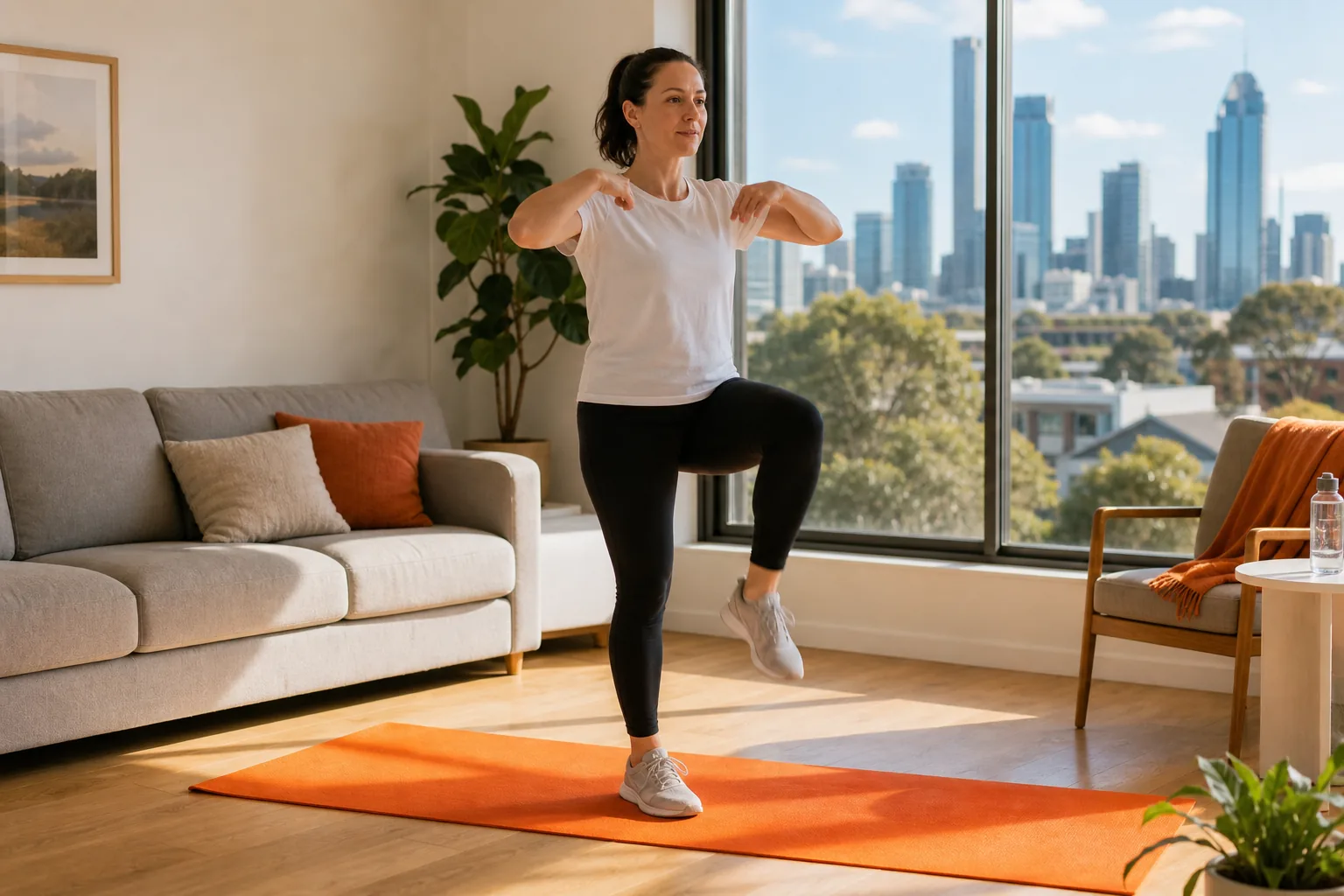
Before you work on flexibility, warm your body and note how it moves today. Cold muscles often feel stiff, so begin with about five minutes of easy movement.
Walk briskly around the room. You can also march on the spot or use gentle arm swings. Your aim is to raise body temperature without tiring yourself out.
Next, check one or two movements linked to your goal. If you want better hamstring flexibility, reach towards your toes without forcing the move. If your neck feels tight, turn your head slowly to each side. Record what you notice.
Where do you feel tension?
Does one side move less than the other?
Do you feel a stretch, or sharp pain?
Does the movement change after your warm-up?
Use slow breathing during this check. Breathe in through your nose if that feels comfortable. Breathe out as you ease into the movement. A long, calm exhale may help you reduce unwanted muscle tension, but it shouldn't make you push past pain.
Set an individual goal rather than chasing a vague idea of being flexible. You may want to reach overhead, squat with more ease, or move your neck more freely.
If pain, numbness, weakness or a marked side-to-side difference shows up, pause. At Unleashed Health Chiropractic, we can assess the area and help decide whether stretching is suitable for you. Our care may include advice about movement and home exercises, but the plan depends on your findings.
For related work at home, our guide to exercises to improve posture may help you build better movement habits. Stretching should support your daily life, not leave you sore for days.
Milestone:You should now have a warm-up, a clear target and a note of your starting range.
Step 2: Choose the Right Stretching Type for Your Goal
Choosing the right stretching type makes it easier to improve flexibility without overdoing the effort. The main choices are dynamic, static, active and passive stretching.
Use dynamic stretching before activity
Dynamic stretching uses controlled movement through a comfortable range. It suits a warm-up before sport, lifting or a mobility session.
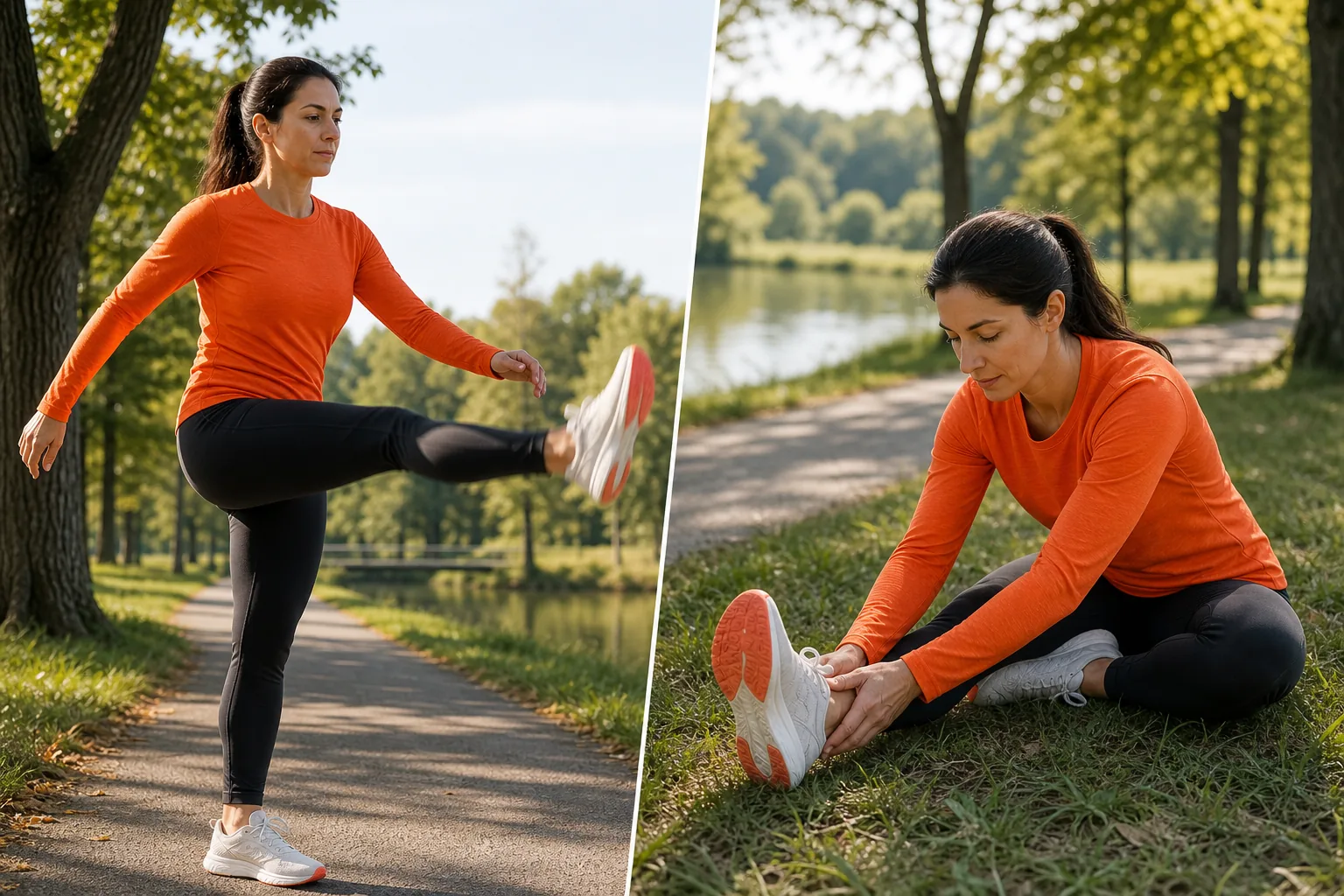
Try ankle rotations, knee bends, hip movements, shoulder reaches and gentle neck rotations. Spend about 45 seconds on each area if that feels comfortable. Keep the movement smooth. Don't bounce hard or force the end position.
Dynamic work can help you rehearse the movement you need. A tennis player might use controlled leg swings. Someone preparing for overhead work might use gentle shoulder movements. Keep the range modest at first, then build it as your body warms.
Use static stretching after activity or in a separate session
Static stretching means holding one position. Move until you feel mild tension, then stay still. Don't bounce.
A 30-second hold is a sensible starting point for many people. Some protocols use longer holds, including 60 seconds for calf or quadriceps work, but more time isn't always better. A study indexed by PubMed found that 30 seconds was effective for improving hamstring range of motion, with no extra gain when the hold increased from 30 to 60 seconds in that study.
Know the difference between active and passive
Active stretching means your muscles hold the limb in place. Passive stretching uses outside help, such as your hands, a strap or gravity.
Active work can help you control the range you gain. Passive work may let you relax into a position more easily. A balanced plan can include both, but beginners should start with a range they can control.
For hamstrings, try a lying leg raise while keeping the knee slightly soft. Use a towel only if you can keep your shoulders relaxed. For the front of the thigh, stand near a wall and hold your ankle gently. Keep your knees close rather than pulling the leg far behind you.
Stretching research is mixed on which method is best for every person. Your age, training history, injury history and goal all matter. If your neck or back is already painful, don't copy an advanced routine from a video without checking the movement first. Rehabilitative exercises and home stretches may be included in a care plan when they suit your needs.
Stop if you feel sharp pain, tingling or a sudden loss of strength. Mild tension is expected. Pain is a warning.
Step 3: Build a Simple Full-Body Flexibility Routine
A full-body routine for flexibility should move from warm-up work into controlled stretches. Keep it short enough that you can repeat it each week.
Try this sequence two to five days per week. Begin with less time if you're new to stretching.
Warm-up, five minutes:Walk, march or move your arms gently.
Ankles and calves:Rotate each ankle, then face a wall and ease one calf back. Hold the calf stretch for about 30 seconds per side.
Hips and thighs:Use a half-kneeling hip stretch. Keep your ribs stacked over your pelvis. Add a gentle quadriceps stretch only if your knee feels comfortable.
Hamstrings:Sit tall with one leg out. Hinge from your hips until you feel mild tension. Keep your spine in a position you can control.
Chest and shoulders:Place your forearm against a wall and turn your body slightly away. Keep the shoulder down.
Upper back:Use a slow cat-cow movement or reach one arm across your body. Move within a smooth range.
Hold each static stretch for around 30 seconds. Rest briefly, then repeat once if the first round felt easy and calm. You don't need to force every area in one session.
Breathing matters. Inhale before you move into position. Exhale slowly as you settle. If you hold your breath, reduce the intensity. Your body should feel worked, not threatened.
Simple props can help. A cushion may support a knee. A book under the heels can make a squat position more manageable. A wall can improve balance. Props should change the angle, not force you deeper.
Keep a small log. Write down the stretch, side, hold time and a score from zero to ten for comfort. This helps you spot patterns. It also gives your practitioner useful information if you need advice.
Step 4: Progress Gradually, Track Results and Get Guidance When Needed
Progress comes from repeating a manageable dose, not from forcing a deeper stretch. Add change one step at a time.
For the first two weeks, keep the same exercises and hold times. Track how the movement feels at the start and after your warm-up. If your range improves without pain or lingering soreness, add one repeat or a few seconds to a hold.
Don't increase duration, intensity and exercise count together. That makes it hard to know what caused a flare-up. It also gives your body too much change at once.
Use simple milestones. You might reach a lower step in a forward fold. You might turn your head farther while keeping your shoulders still. You might squat with your heels closer to the floor. Take the same measure each time, under similar conditions.
Flexibility also involves the nervous system. Your muscles contain sensors that respond to length and load. Your brain helps judge whether a position feels safe. Slow movement and calm breathing can help you practise a range without treating discomfort as a contest.
Post-Isometric Relaxation, often called PIR, is one supervised method used for hamstring flexibility. A recent study compared it with active static stretching across 12 supervised sessions over four weeks. It reported greater hamstring improvement with PIR, while mild short-term soreness was also reported. That doesn't mean PIR suits everyone. A trained professional should decide whether to use it.
Seek professional guidance if pain keeps returning, your range drops quickly, or symptoms travel into an arm or leg. You should also seek assessment after an injury or when stretching changes your headaches, neck pain or back pain.
At Unleashed Health Chiropractic in Ascot Vale, we take the time to understand how your problem affects work, sport and daily movement. We tailor advice to your assessment rather than handing you a generic routine. Our approach may include chiropractic care and rehabilitation exercises when appropriate.
Keep your record for at least four weeks. If the numbers improve but your daily task still feels hard, share that detail. Range of motion is useful, but it isn't the whole picture.
Key Takeaway:Stretch to mild tension, practise often enough to build a habit, and increase one training variable at a time.
Frequently Asked Questions
How often should I stretch to improve flexibility?
Stretch at least twice each week, then build towards more regular practice if your body responds well. Short sessions work when you repeat them. A 30-second hold is a useful starting point for static stretches. If you have pain or a current injury, ask a health professional to guide your frequency before increasing the load.
Is it better to stretch in the morning or at night?
Neither time is best for everyone. Morning sessions suit a gentle mobility routine, while evening sessions may suit slower static stretches. Warm up first, especially after waking. Choose the time you can repeat without rushing. For flexibility gains, steady practice matters more than a perfect time of day.
Should stretching hurt?
Stretching should not hurt. Mild tension is a reasonable limit, but sharp pain, tingling or a sudden pulling feeling means you should stop. Ease out slowly and check the movement. If symptoms remain, arrange an assessment. Pushing through pain can turn a useful flexibility session into an injury setback.
Can I improve flexibility without equipment?
Yes, most basic flexibility exercises need no equipment. A wall, cushion or folded towel can help with balance and comfort, but none should force your body into a deeper range. Start with bodyweight movements. Add a prop only when it helps you keep calm breathing and good control.
When should I see a chiropractor about tightness?
See a chiropractor when tightness comes with ongoing pain, restricted movement, repeated flare-ups or symptoms after an injury. A chiropractor can assess how your joints and muscles move, then discuss suitable care. In Ascot Vale, Unleashed Health Chiropractic can help you understand whether a tailored mobility or rehabilitation plan is appropriate.
Start with five minutes of easy movement today, then choose two comfortable stretches and record how they feel. If tightness keeps limiting your work, sport or daily life, Unleashed Health Chiropractic can help you take the next step with a tailored assessment.


Comments