


Runner's Knee Treatment: 5 Simple Steps to Recovery
Runner's knee can drop you from the trail in minutes. Below are five clear steps that get the pain under control, rebuild strength and help you run again.
Table of Contents
Step 1: Check Your Symptoms and Reduce Irritating Loads
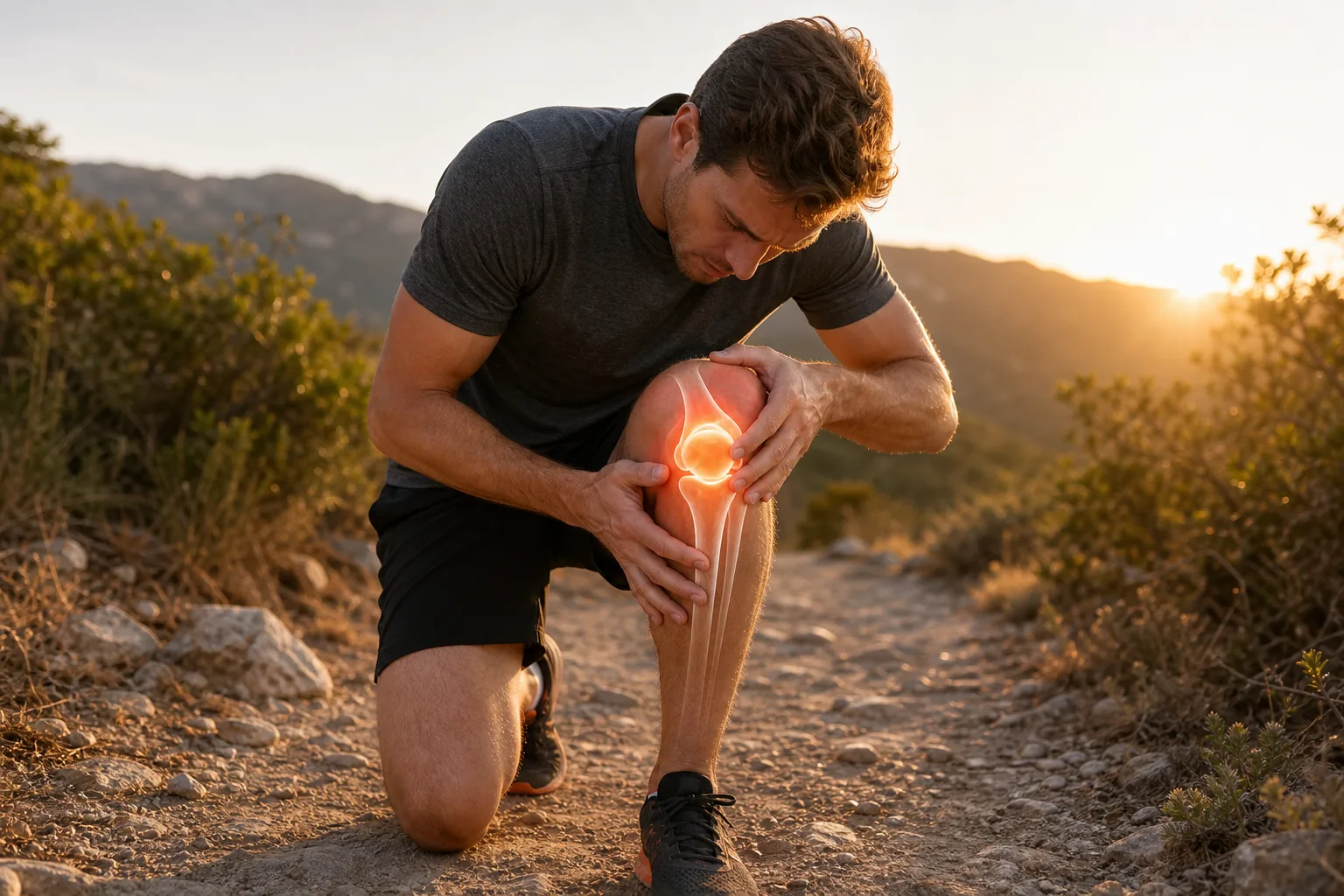
First, confirm you’re dealing with patellofemoral pain. The pain sits around or behind the kneecap and flares on stairs, squats or downhill runs. It often shows up after a mileage jump or a new training routine. If the pain appears after a twist, swelling, or a clear injury, see a medical professional right away.
Next, trim the activities that aggravate the joint. Drop hill repeats, cut back on long runs and swap for low‑impact cross‑training like swimming or cycling for a week. This short break lets the tissue settle without losing fitness.
We recommend the “10% rule”, increase weekly mileage by no more than ten percent. That simple rule keeps load growth in step with your body’s capacity and cuts flare‑ups. By now you should have a clear picture of what triggers your pain and a reduced‑load plan in place.
Unleashed Health Chiropractic can run a functional movement assessment to pinpoint exact stress points and guide you on safe load changes. Knee pain services include a personalized plan that matches your running goals.
Step 2: Use Short‑Term Pain‑Management Strategies
For immediate relief, apply the RICE protocol. Rest the leg for a day or two, then ice the knee for 15‑20 minutes after each run. Ice numbs the tissue and reduces sensitivity, which research shows helps control pain after activity.
A compression sleeve can provide comfort. Improving the leg above heart level for 10‑15 minutes a few times a day drains excess fluid and eases pressure.
If you need a quick analgesic, speak with a health professional about suitable pain‑relief options.
Our clinic often combines these measures with hands‑on treatment to speed up the first week of recovery. Chiropractic techniques such as gentle joint mobilisations can improve blood flow and support the RICE steps.
Pro Tip:Ice for exactly 15 minutes; longer sessions can cause skin irritation.
RICE may help manage acute soft‑tissue pain. Timing and cautions should be considered. By now you should be managing swelling and pain while you prepare for the next phase.
Step 3: Build Strength and Control Progressively
Strong, well‑coordinated muscles take the load off the kneecap. Start with pain‑free quadriceps work, straight‑leg raises, wall sits and short‑range squats. Aim for two to three sets of ten reps, three times a week.
Hip and glute strengthening is equally vital. Clamshells, side‑lying leg lifts and single‑leg bridges train the muscles that keep the thigh from collapsing inward, a common cause of knee valgus.
Core and trunk control drills, such as dead‑bugs and planks, support efficient lower‑limb mechanics during each stride.
We like to use a progressive checklist: week 1‑2 focuses on isolated muscle activation, week 3‑4 adds light resistance, and week 5‑6 introduces single‑leg functional moves like step‑downs. Consistency here drives the biggest pain reductions.
Watch the video below for a quick demo of the core exercises we prescribe.
Research shows that quadriceps and hip strengthening cuts pain and improves function in patellofemoral pain syndrome . A consistent 2‑3‑times‑per‑week schedule can support exercise progress; further information is available here.
Unleashed Health Chiropractic can tailor the load, add manual therapy and check your form during each session. Our services include a rehab program that evolves with your progress.
Key Takeaway:Consistent, progressive strength work is the backbone of lasting runner's knee relief.
Step 4: Address Movement Contributors and Support Comfort
Running is a chain reaction from foot to hip. Identify weak links with a movement screen, look for excessive inward knee drop, limited ankle dorsiflexion or a pronated foot.
If you find a tight IT band, foam‑roll it for 30 seconds each side before each run. Tight quadriceps or hamstrings also need gentle stretching after workouts.
Adjust your cadence to 170‑180 steps per minute. A higher cadence shortens stride length, reduces over‑striding and lessens patellofemoral load.
Shoe wear matters. Replace shoes every 400‑500 km or when cushioning feels flat. A fresh pair restores shock absorption and keeps joint stress down.
For runners who need extra support, a lightweight compression sleeve can feel soothing, but it won’t replace proper strength work.
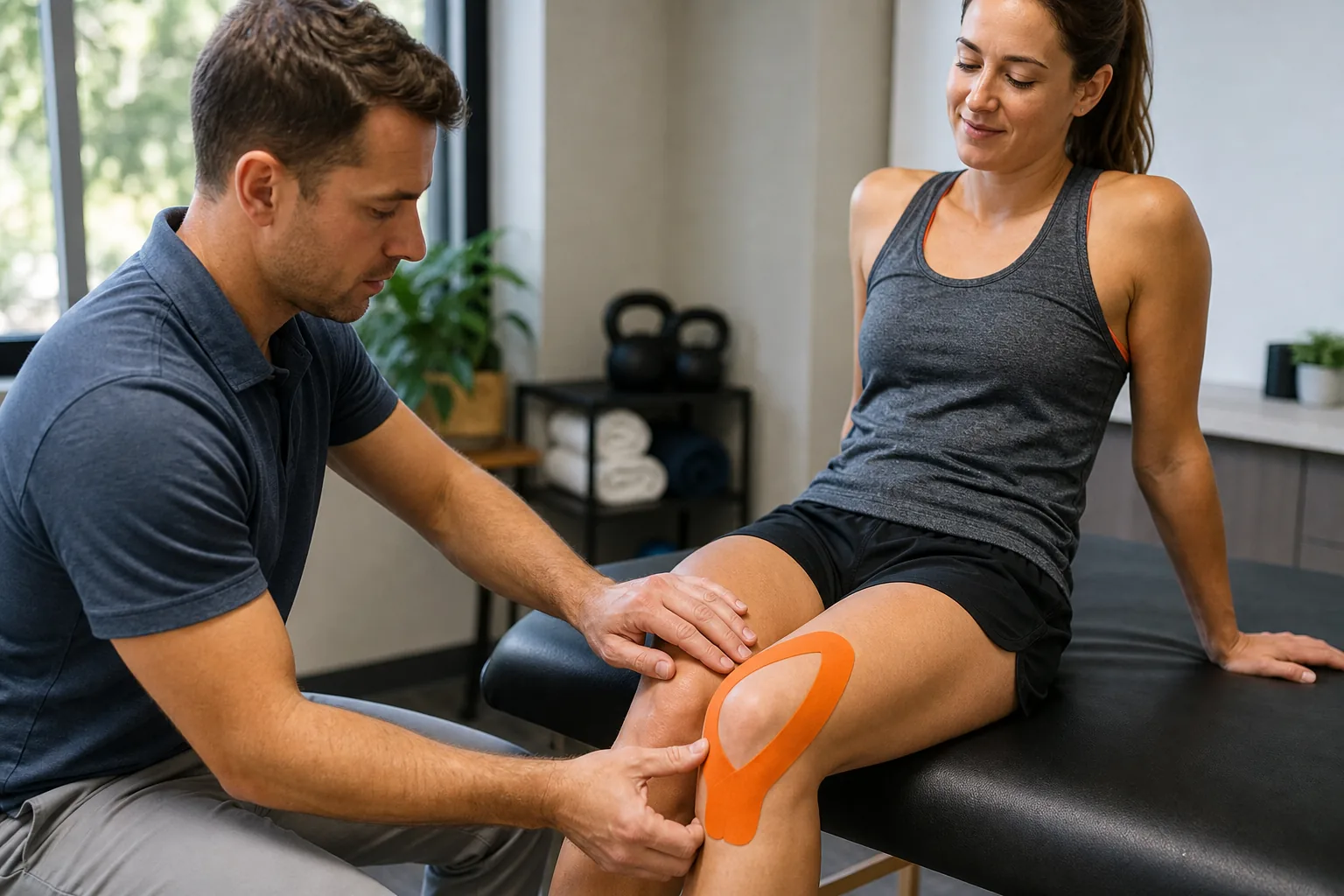
Our clinicians often use McConnell taping to guide the patella during the early rehab phase. The tape pulls the skin in a direction that encourages better tracking and can cut pain when paired with exercise.
When you combine these tweaks with the strength program, the knee experiences less stress on each stride. By now you should have a smoother gait, fewer aches and a plan for ongoing comfort.
Step 5: Return to Running Gradually and Prevent a Flare‑Up
Start with walk‑run intervals. Begin with 1 min of easy running followed by 4 min of walking, repeat six times. After two weeks, increase the run interval to 2 min and shorten the walk to 3 min.
Monitor pain 24 hours after each session. If soreness returns, back off the volume and repeat the previous step for another week.
Progress to continuous easy runs of 20‑30 minutes before adding hills or speed work. Keep the 10% rule in mind for any mileage increase.
Maintain the strength and mobility routine three times a week. Even on rest days, do the core and hip exercises to keep the muscles balanced.
Regular check‑ins with Unleashed Health Chiropractic ensure you stay on track. A maintenance adjustment every 4‑6 weeks can keep the joint moving freely and catch any new imbalances early.
By now you have a roadmap from pain control to a confident return to your favourite routes.
FAQ
What is the fastest way to know if I have runner's knee?
The fastest sign is pain around the kneecap that worsens on stairs, squats or downhill running. If the pain appears after a sudden mileage jump, you likely have patellofemoral pain syndrome .
Can I keep running while treating runner's knee?
You can run, but only at a reduced intensity. Walk‑run intervals and a strict load‑management plan keep stress low enough for healing.
Is icing really necessary?
Icing for 15‑20 minutes after each run helps lower pain sensitivity and swelling, especially in the first two weeks of rehab.
Do knee braces work for runner's knee?
Research shows braces offer no clinically meaningful benefit for patellofemoral pain. Strength work and movement correction are far more effective.
How often should I see a chiropractor for runner's knee?
Most runners benefit from an initial assessment and then a maintenance visit every four to six weeks while they rebuild strength and control.
Conclusion
Start with load reduction, follow the five steps and keep a regular strength routine. Book a session at Unleashed Health Chiropractic to get a personalised plan and safe return‑to‑running guidance.


Comments