


How to Prevent Sports Injuries Safely
Updated: Aug 25
Every athlete wants to stay on the field, not on the sidelines. Injuries can creep in when you overlook the basics. Below is a step‑by‑step plan you can start today to keep your body strong, flexible, and ready for play.
Table of Contents
Step 1: Assess Your Starting Point Before You Train
Before you add any load, you need a clear picture of where you stand. A baseline assessment uncovers hidden mobility limits, strength gaps, and movement patterns that could turn into injuries later. In Ascot Vale, a simple chiropractic assessment can be the first line of defence against the very same injuries that high‑tech wearables claim to prevent. Learning about common sporting conditions can also help you recognise concerns early and seek appropriate guidance.
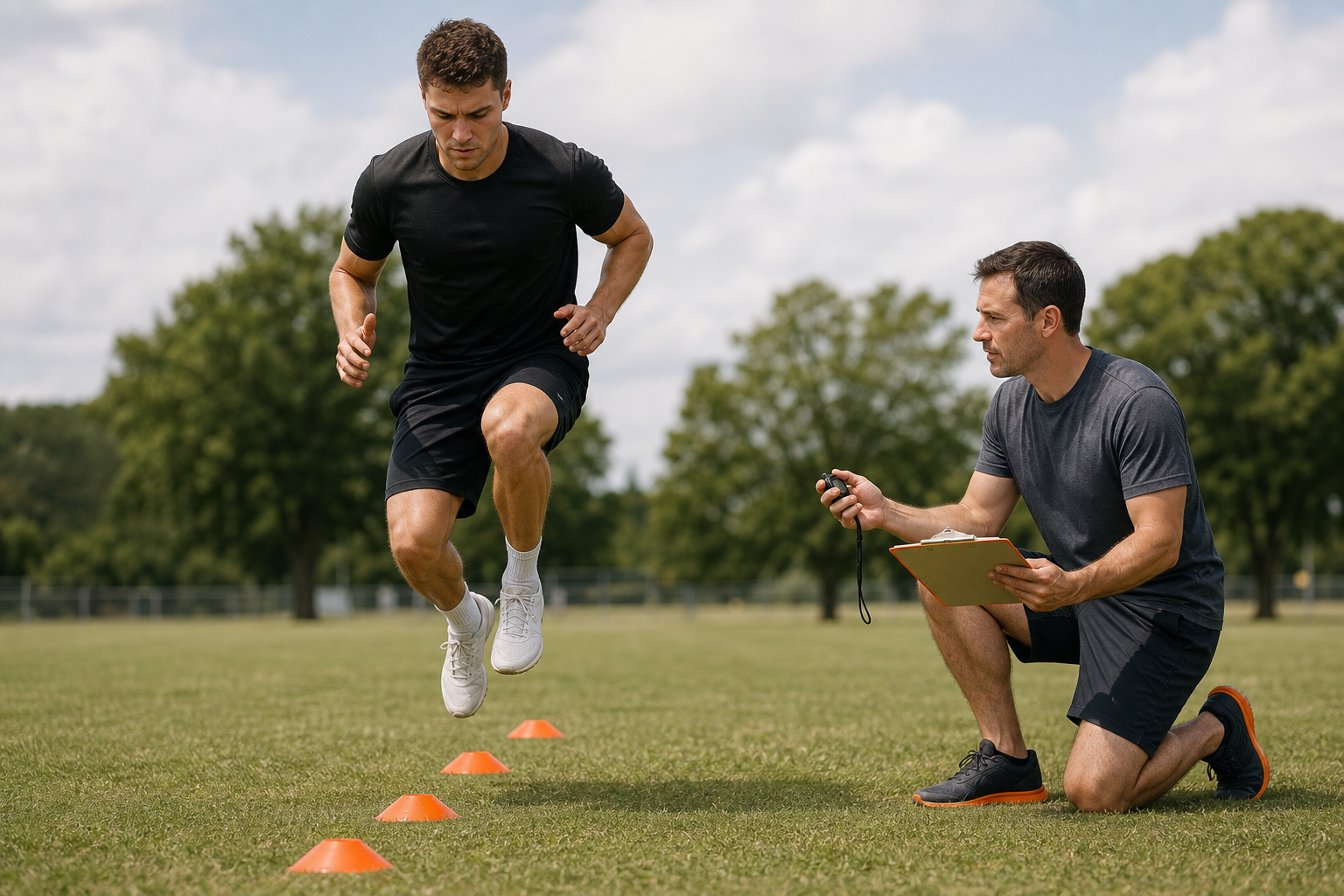
Pre‑participation screening identifies individual risk factors before athletes begin or return to sport. It can be conducted twice a year, during the preseason and off‑ or post‑season, by a biokineticist or sports scientist. This approach gives you time to act on any red flags without sacrificing sport‑specific conditioning.
During the screen, look for two key thresholds: a Functional Movement Screen (FMS) score under 14 out of 21, or pain on two or more movement tests. If either appears, you’ll need a short corrective program before you hit full‑speed drills. A balance assessment can provide additional information about movement control when checking lower‑limb stability.
We often see athletes skip this step because it feels “extra.” But the data shows a solid baseline saves time and pain later.Key Takeaway:A brief, structured assessment creates a personal injury‑risk map that guides every training decision.
Step 2: Warm Up and Build Strength Gradually
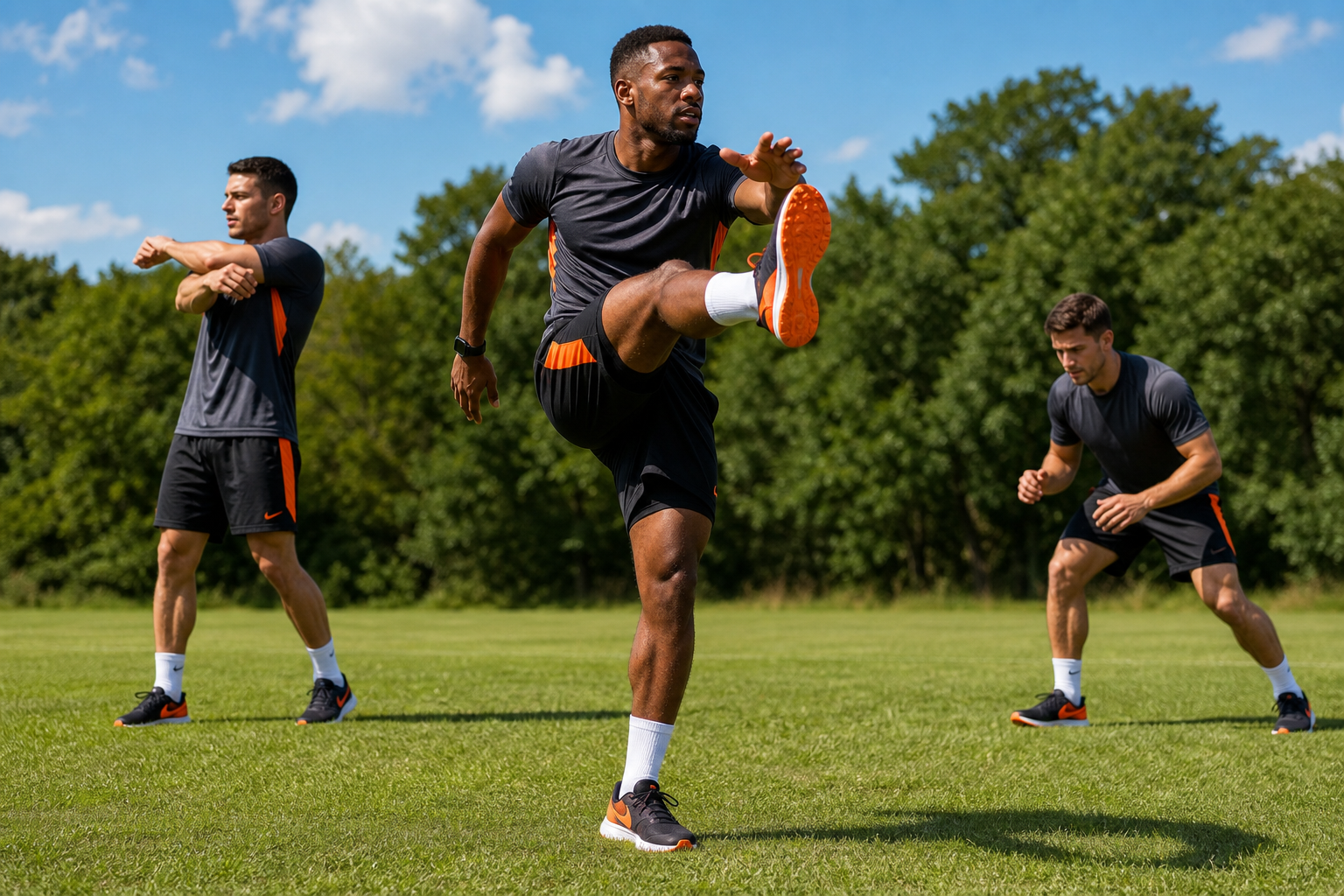
Warming up isn’t just a ritual; it prepares the nervous system and joints for the work ahead. Start with 5‑10 minutes of dynamic movements that mimic the sport you’ll play, leg swings, arm circles, and lateral shuffles. These actions increase blood flow and prime the proprioceptive network.
Neuromuscular control training can reduce overuse through movement variability and improve coordination https://pmc.ncbi.nlm.nih.gov/articles/PMC11225257/ . Incorporate simple drills like single‑leg stands, wobble‑board taps, or quick hop‑and‑hold sequences after your dynamic warm‑up. Aim for three sets of 30‑second holds, progressing to eyes‑closed or unstable surfaces as you improve.
Strength should rise in step with mobility. Begin with body‑weight exercises, squats, lunges, and push‑ups, then add resistance bands or light dumbbells once the pattern feels smooth. Progress the load by 5‑10% each week; sudden jumps in weight are a common trigger for strains.
We recommend a short “anchor” routine three times a week that targets core stability, hip strength, and shoulder control. Consistency beats intensity for injury prevention.
Pro Tip:Finish each warm‑up with a quick “movement check”: perform the first sport‑specific skill (e.g., a short sprint or a ball throw) and notice any wobble or pain. Adjust the next session accordingly.
Step 3: Manage Training Load, Technique and Recovery
Load management is the balance between stress and adaptation. Track weekly volume and intensity, and keep any jump in training load below 10% to avoid overuse injuries. If you notice a rating of perceived exertion (RPE) above 7/10, dial back the next session and add extra recovery.
Technique matters just as much as volume. Regular video analysis or a coach’s eye can catch faulty landing mechanics, excessive knee valgus, or poor trunk rotation. If knee discomfort develops during training, review practical guidance about knee pain and consider an appropriate professional assessment. Correcting these cues early cuts injury risk dramatically.
Recovery is the hidden pillar of prevention. Prioritise quality sleep, hydrate well, and schedule at least one full rest day per week. Light activities like swimming or yoga on off‑days keep blood moving without adding load.
Step 4: Support Your Body With Hydration, Nutrition and Usable Equipment Choices
Balanced nutrition and adequate hydration support your body during training and recovery.
Hydration is just as vital. Aim for at least 500 ml of water 2‑3 hours before training, then sip during activity. Dark‑colored urine is a quick visual cue that you need more fluid.
Equipment matters, too. Wear shoes that match your sport’s demands, proper heel‑to‑toe drop for runners, lateral support for court sports. Replace worn soles every 300‑500 km. If you play contact sports, use certified helmets, shin guards, or wrist wraps as required.
Athletes can benefit from a simple nutrition check and gear audit to support their training and stay active longer.
Step 5: Respond Early and Return to Sport Progressively
When pain shows up, act fast. Ignoring early signs lets a minor issue become a major setback. Track pain on a 0‑10 scale; if it stays above 3 for more than three days, schedule a professional evaluation.
Criterion‑based return‑to‑sport testing is the gold standard. It looks at strength symmetry, movement quality, hop performance, and psychological readiness. Athletes who meet objective benchmarks re‑injure far less than those cleared by calendar dates alone.
Start with low‑impact drills that respect the healed tissue. Gradually add sport‑specific moves, monitoring for pain or loss of form. Aim for at least 90% limb‑symmetry on strength tests, but also check that the uninjured side hasn’t weakened during rehab.
Our clinic’s hands‑on assessment can map your progress and tell you exactly when you’re ready for full competition. Early, structured return plans keep you confident and reduce the chance of a repeat injury.
FAQ
What is the best first step to stop sports injuries?
The best first step is a baseline movement and posture assessment, often done by a chiropractor or sports‑medicine professional.
How often should I do a warm‑up before each session?
Spend 5‑10 minutes on dynamic movements before every training or competition session.
Can I rely only on wearable tech to avoid injuries?
Wearables give useful data, but they can’t replace a hands‑on biomechanical screen that spots hidden deficits.
How much sleep do I need to keep injuries at bay?
Adults should aim for 7‑9 hours of sleep each night; youth athletes need 8‑10 hours for optimal recovery.
When should I see a chiropractor for a sports‑related issue?
If pain persists beyond three days, worsens with activity, or limits your range of motion, schedule a visit with a qualified chiropractor.
Conclusion
Start with a professional baseline assessment, then layer sleep, nutrition, smart load monitoring, and progressive rehab. Follow the steps above and you’ll give your body the best chance to stay injury‑free.
Ready to put this into practice? Unleashed Health Chiropractic was built for exactly this.


Comments