


How to Relieve Tailbone Pain: 5 Simple Steps
Tailbone pain can make sitting, standing up, and even sleeping feel difficult. A donut cushion may seem like an easy fix, but it can place more pressure on the coccyx in some cases. These five steps can help you reduce strain, move with less fear, and know when to arrange an assessment.
Table of Contents
Step 1: Reduce Pressure on Your Tailbone
The first step in learning how to relieve tailbone pain is to reduce direct pressure while your symptoms settle. The coccyx sits at the base of your spine, so long periods of sitting can keep irritating the area.
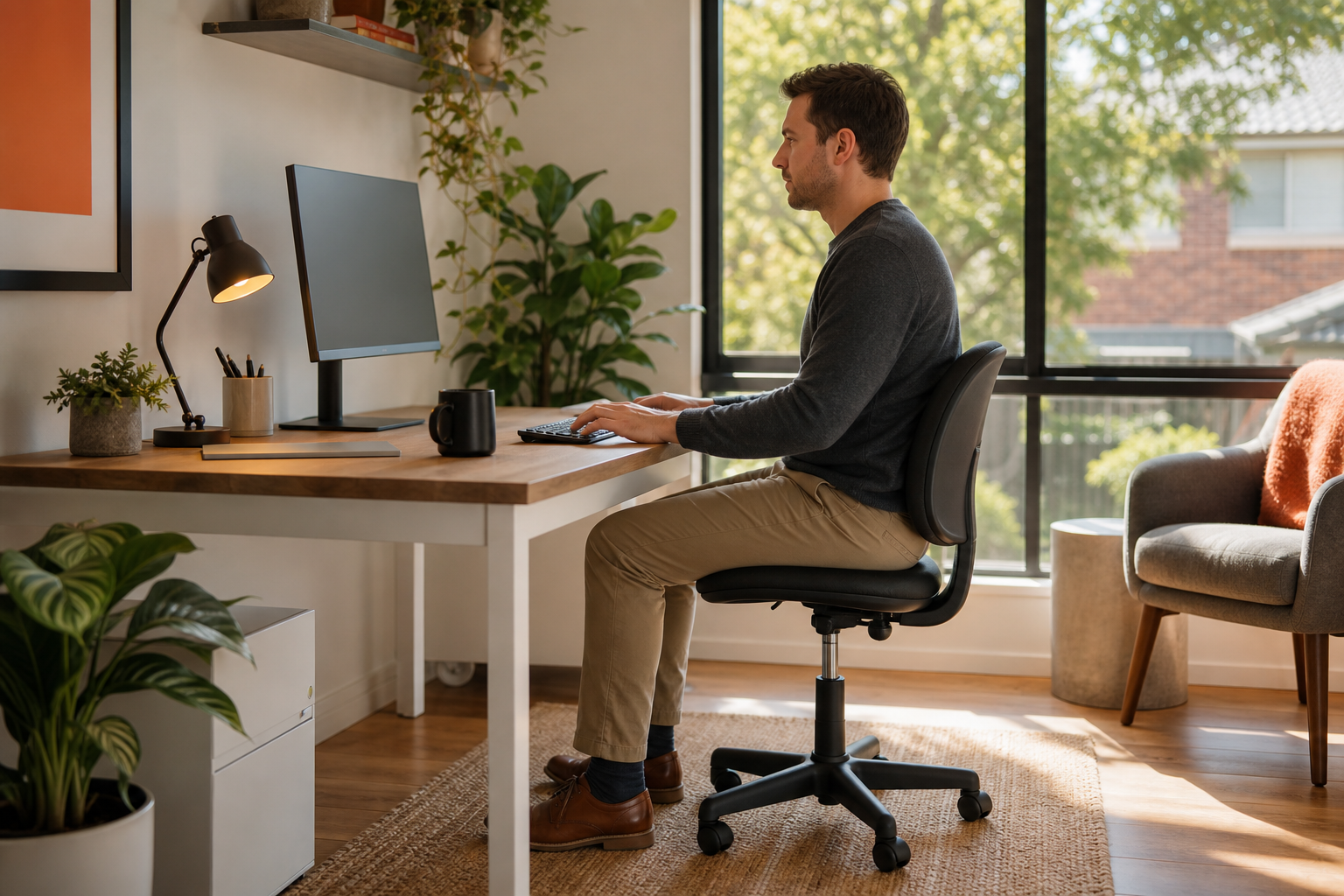
Start by changing how often you sit. Stand for part of a work task. Walk around the room before your pain builds. If you must sit, choose a firm chair with a backrest and keep your feet supported on the floor.
Try sitting slightly forward with your weight through your sitting bones, rather than leaning back hard onto the tailbone. You can also test a small change in pelvic position. The best setup is the one that reduces your symptoms without making your back tense.
Be careful with cushions. A circular donut cushion is often linked with coccyx relief.
Test any cushion for a short period. Keep it only if you can sit with less pain and stand up more easily afterwards. Don't force yourself to use one because it is popular.
Our guide to sitting with lower back pain also explains why small chair changes and regular movement breaks often work better than trying to hold one perfect posture.
By now you should have:a sitting position that feels supported, plus a plan to stand or walk before discomfort becomes strong.
Step 2: Try Gentle Tailbone and Hip Mobility Exercises
Gentle movement can help when stiff hips or a guarded lower back add strain around the coccyx. The goal is not to stretch as far as possible. The goal is to find a calm range that doesn't cause sharp pain or spreading symptoms.
Begin with five minutes of easy walking if you can do so comfortably. Walking changes the load on your tailbone and may feel better than staying still. If walking is too much, stand near a bench and shift your weight slowly from one foot to the other.
Kneel-and-twist
Place one knee on a soft mat and keep the other foot in front. Stay tall through your spine. Turn your chest gently towards the side of the front leg, then return to the middle. This movement can stretch the iliopsoas, a deep hip muscle, while adding motion through the lower back.
Keep the turn small at first. If kneeling hurts your knee, skip this exercise rather than pushing through it.
Child's Pose
Start on your knees with your feet together and knees apart. Slowly move your hips towards your heels. Reach your hands forward and let your chest lower only as far as feels comfortable.
Breathe slowly while you hold the position. Child's Pose can lengthen the spine and give the hips and pelvic floor room to relax. Come out of the pose by walking your hands back, not by lifting quickly.
Cat Cow
Set up on your hands and knees. Place your hands below your shoulders and your knees below your hips. Slowly round your back, then ease into a gentle arch. Move through the middle rather than forcing either end.
Try a few slow repetitions. Stop if the movement causes a sharp rise in pain, tingling, or symptoms that travel down a leg.
If a knee issue makes kneeling difficult, a lying Figure Four stretch may be an alternative, but it isn't suitable for everyone with knee problems. Keep your movements easy and use your symptoms as the guide.
After each exercise, stand and walk for a minute. This gives you a useful check. If you feel worse for hours, the range or amount was too much.
By now you should have:one or two movements that loosen your hips or back without causing a flare later in the day.
Step 3: Relax Tension Through Your Pelvic and Lower-Back Muscles
To relieve tailbone pain, you may need to reduce muscle tension rather than keep stretching harder. The pelvic floor, glutes, hips, and lower back share connections around the pelvis. When these muscles stay braced, they may add pressure to a sore coccyx.
Start with relaxed breathing. Lie on your stomach with your forehead resting on your hands, or sit in a supported chair. Breathe in slowly and let your belly and ribs expand. As you breathe out, allow your pelvic floor to soften.
Reverse Kegel
A reverse Kegel focuses on letting the pelvic floor relax. On an easy breath in, imagine the muscles at the base of your pelvis dropping. You can gently bear down as you breathe out, but don't strain or hold your breath.
This exercise should feel soft. It isn't a test of strength. Stop if you feel pressure, pain, or a clear increase in symptoms.
Bridge
Lie on your back with your knees bent and feet flat. Press through your feet and lift your hips a small amount. Squeeze your glutes gently at the top, then lower with control.
A bridge may help build support through the hips and back. Keep the lift low if your tailbone feels sensitive on the floor. You can place a folded towel beneath your head, but avoid pressing directly on the painful area.
Side-lying hip abduction
Lie on your side with your knees bent. Keep your feet together, then lift the top knee slowly. Lower it without rolling your pelvis backwards. This targets the deep hip muscles and may help with control around the pelvis.
Consistency matters more than intensity. A few calm minutes each day is a better start than one long session that leaves you sore. The exercises above can also help explain how the coccyx relates to nearby tissues and movement. More exercise information may also be useful.
Unleashed Health Chiropractic takes the time to assess how your hips, pelvis, and lower back may be affecting your symptoms. If home movement isn't changing the problem, a tailored assessment may help you choose the next step within a non-surgical care plan.
By now you should have:a breathing drill and one gentle strength exercise that you can repeat without bracing or holding your breath.
Step 4: Modify Daily Activities While Your Tailbone Settles
Daily habits can keep tailbone pain going even when your exercises are sensible. For the next few days, look for the tasks that bring on your symptoms. Then change the task before pain reaches its usual peak.
Driving is a common example. Move the seat so you can reach the pedals without leaning back hard. Keep your back supported, and take a break when safe if the trip is long. Don't wait until you are very sore before you change position.
At work, switch between sitting and standing. A timer can remind you to move before discomfort builds. Start with short breaks that you can repeat. Walk to get water, stand while reading a short message, or change to a task that lets you stay upright.
Sleeping may also need a small change. Side sleeping with a pillow between your knees can reduce pelvic twisting for some people. If you sleep on your back, try placing a pillow under your knees. Keep the position only if it feels better, since no single sleep posture suits everyone.
Be careful when bending. Move close to the item first. Bend through your hips and knees, then keep the load close to your body. Ask for help with heavy objects while the area is irritable.
Short rest can help during a flare, but long periods in bed may make movement feel harder. Use a mix of brief rest, easy walking, and supported sitting. If every position hurts, reduce the task load and arrange an assessment.
Posture is also personal. For more detail on adjusting your desk setup, to posture and everyday movement . The aim is a position you can change easily, not a rigid pose you must hold all day.
Use this decision rule:keep an activity if your symptoms settle soon after it. Reduce or pause it if pain keeps rising during the task or remains worse later.
Step 5: Arrange an Assessment if Pain Persists or Follows an Injury
Arrange an assessment when tailbone pain does not settle, keeps returning, or began after a fall, crash, childbirth, or another clear injury. A professional assessment can help separate coccyx pain from irritation in the lower back, hips, sacroiliac joints , or pelvic floor.
Before your appointment, write down when the pain began. Note what makes it worse, such as sitting, rising from a chair, bowel movements, or exercise. Also record what helps. This gives the practitioner a clearer picture than pain intensity alone.
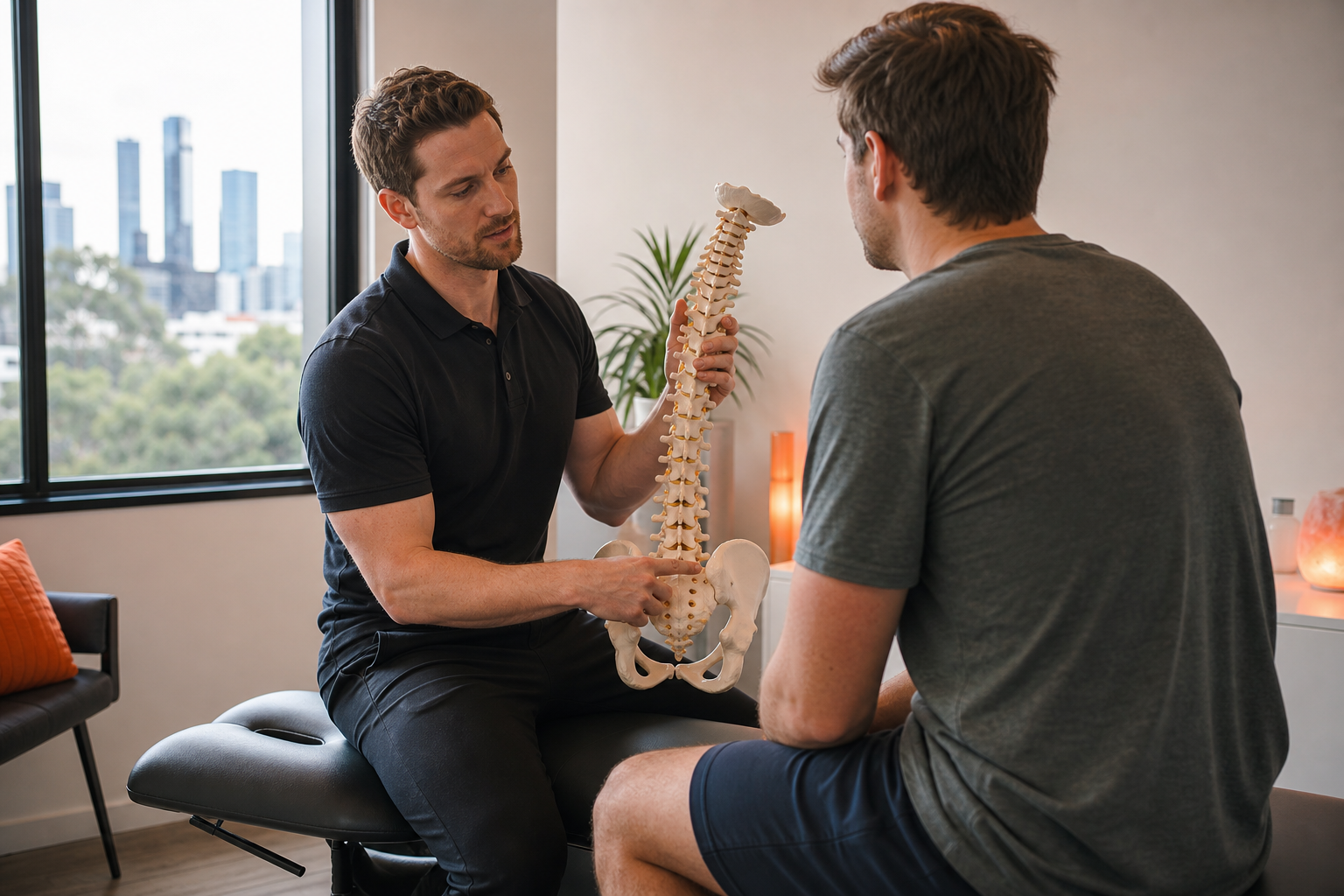
Unleashed Health Chiropractic provides natural, non-surgical chiropractic care for back pain and injury rehabilitation in Ascot Vale and nearby Melbourne suburbs. We take the time to ask how the problem affects work, sleep, movement, and daily life. We then tailor care to your findings rather than assuming every case needs the same approach.
A chiropractic assessment may include a health history and physical checks of movement, strength, and joint function. A chiropractic adjustment is a hands-on technique used to address selected joint or movement problems. It isn't suitable for every person, so the practitioner should explain why it may or may not fit your case.
Some research has examined treatments such as extracorporeal shockwave therapy and steroid injection for persistent coccydynia. A PubMed-listed clinical study describes treatment schedules for these interventions, including three weekly shockwave sessions and a single blind steroid injection. These are clinical decisions, not home treatments, and require assessment by an appropriately trained health professional.
Seek urgent medical care if tailbone pain follows a major injury or comes with new loss of bladder or bowel control, numbness around the groin, marked leg weakness, fever, or rapidly worsening symptoms. These signs need medical review rather than an exercise trial.
If your symptoms are mild but have not improved after sensible activity changes, book an appointment with a qualified practitioner. A clear diagnosis can stop you from repeating a movement that keeps irritating the area.
Frequently Asked Questions About Tailbone Pain Relief
How long does tailbone pain take to settle?
Tailbone pain may settle at different speeds, depending on its cause and how much the area is loaded each day. Mild irritation may improve after sitting changes and gentle movement. Pain after a fall or pain that keeps returning needs assessment. Arrange care sooner if symptoms limit sleep, work, walking, or normal daily tasks.
Is a donut cushion good for tailbone pain?
A donut cushion isn't always good for coccyx pain because its circular shape may increase pressure near the tailbone. Test any cushion for a short time and keep it only if sitting feels easier. A firm chair, supported feet, and regular standing breaks may help more than a cushion alone.
What exercise helps tailbone pain?
Gentle exercises such as Child's Pose, Cat Cow, a lying Figure Four stretch, and a small bridge may help tailbone pain when they feel comfortable. Start with one movement and a small range. Stop if pain becomes sharp, spreads into a leg, or stays worse after the session.
Should I see a chiropractor for tailbone pain?
You can see a chiropractor for tailbone pain when symptoms persist, follow an injury, or affect your normal movement. A chiropractor can assess related areas such as the lower back, hips, and pelvis. Seek urgent medical care first for major trauma, groin numbness, bladder or bowel changes, fever, or marked weakness.
Can sitting make tailbone pain worse?
Sitting can make tailbone pain worse because it places load through the coccyx and may keep nearby muscles tense. Change position before symptoms build. Try supported sitting for a short period, then stand or walk. If sitting remains painful despite these changes, arrange a professional assessment.
Conclusion
Start with less pressure, gentle movement, and small changes to your daily routine. If pain persists or follows an injury, arrange an assessment rather than pushing through it. For support in Ascot Vale or nearby Melbourne suburbs, a qualified health professional can help you understand the pattern and choose a suitable next step.


Comments