


Top Chiropractor SIJ Care Options in Ascot Vale
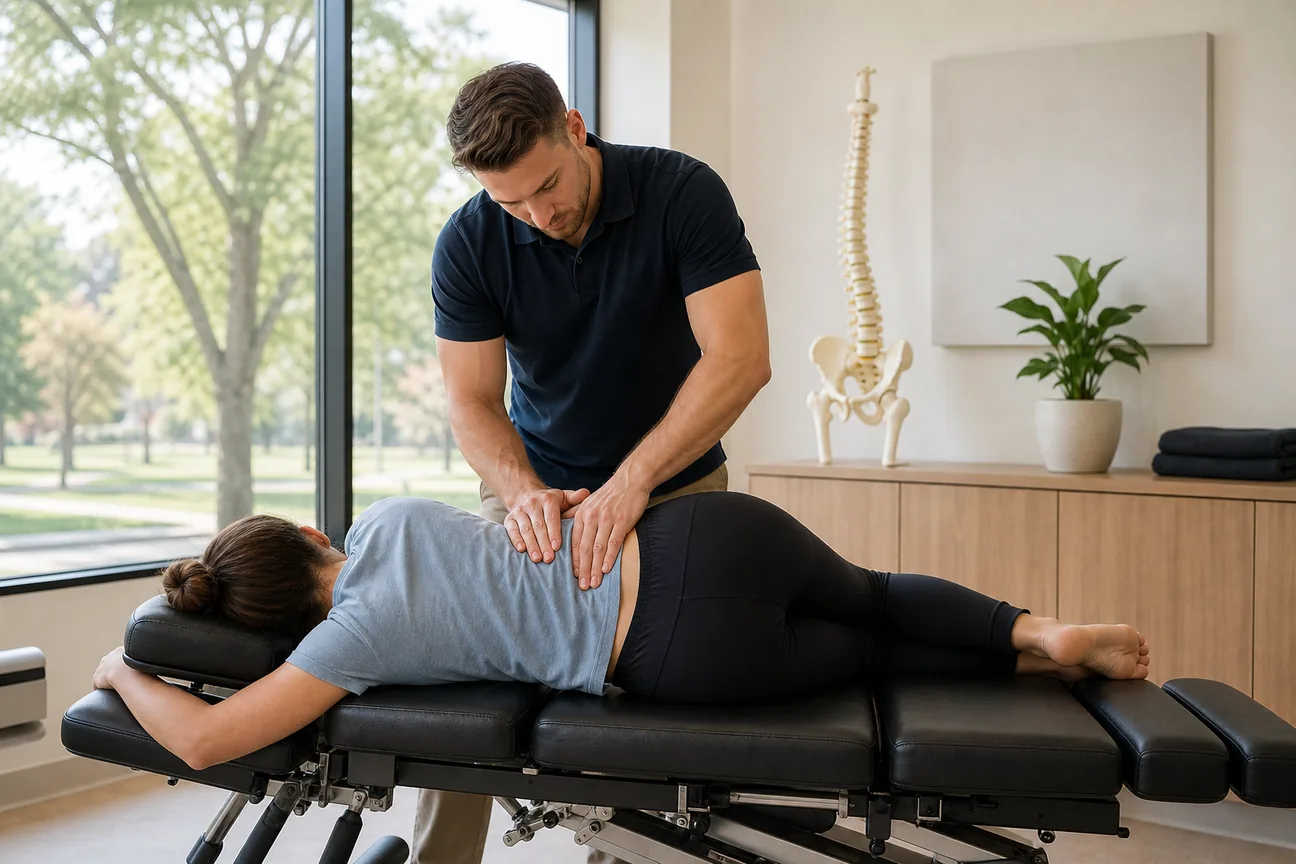
SI joint pain can hide behind everyday back aches, leaving you guessing what’s wrong. In Ascot Vale you have several chiropractic routes to try, each with its own style and focus. Below is a quick shortlist of the main options, plus a cheat‑sheet to help you pick the right fit.
Table of Contents
How Unleashed Health Chiropractic Approaches SIJ Pain
Unleashed Health Chiropractic is a local Ascot Vale clinic whose care can include a thorough examination, chiropractic adjustments, soft tissue therapy, rehab and stretching routines. It may suit people who want hands-on care plus clear home exercise guidance.

The team starts with a thorough examination, including orthopaedic and postural checks. If an adjustment is clinically indicated, it aims to help restore the small amount of movement the SI joint needs. Home exercises may then include hamstring and quadriceps stretches, bridges and bird-dogs, similar to the moves Harvard Health describes for SI joint stability. Moonee Ponds Chiro: Local Care for Pain and Injuries
Your plan is based on your examination findings and reviewed as you progress. The clinic also gives practical advice on pillows, bags and beds to help keep the pelvis in a comfortable, neutral position.
Key Takeaway:Pairing hands-on care with simple daily rehab exercises gives you something useful to do between visits.
1. Chiropractors Offering an SIJ‑Focused Assessment
This category includes clinics that specialise in pinpointing SI joint dysfunction before any treatment. They are ideal if you have vague pain and want a precise diagnosis.
Practitioners use leg-length checks, single-leg standing tests and targeted palpation to work out whether the SI joint is involved.
Once the joint is identified, they may refer you to a hands‑on chiropractor or suggest a sacroiliac stabilization brace for short‑term support. The assessment can rule out hip or lumbar issues, saving you time and unnecessary treatments.
Caveat: Some assessment‑only clinics do not provide adjustment services, so you’ll need a follow‑up provider for hands‑on care.
2. Rehabilitation‑Focused Chiropractors
These chiropractors lean heavily on exercise prescription and progressive loading. They’re a good match if you enjoy an active recovery plan and want to build strength around the joint.
Their programs typically start with low‑impact moves like the bridge exercise and bird‑dog, then graduate to weighted hip hinges as tolerated. Harvard Health notes that the bridge exercise helps stabilise the sacroiliac region by engaging glutes and core muscles.
They also teach self‑release techniques such as the knee-to-chest stretch, which can ease tightness between sessions.
Pro Tip:Perform the bridge hold for 5 to 10 seconds, repeat 8 to 12 times, three times a week to keep the pelvis stable.
One drawback is that progress can be slower if you miss appointments or skip home work.
3. Chiropractors Combining Hands‑On Care With Active Advice
This hybrid approach mixes manual adjustment with lifestyle coaching. It works well for busy people who want hands-on care and simple ways to manage flare-ups.
After a targeted SI joint manipulation, the clinician reviews daily habits, sitting posture, car seat height, backpack weight, and suggests small tweaks. The advice often includes simple desk stretches and walking breaks that keep the pelvis from staying static too long.
Manual manipulation uses controlled pressure on the sacroiliac joint and nearby areas to restore normal range of motion. Active advice may include hamstring or quadriceps stretches for sacroiliac joint hypermobility.
Potential downside: The extra coaching session adds a bit more time to each visit, which may not fit a rushed schedule.
4. Coordinated Care With a GP or Other Health Professional
Some clinics embed a GP or physiotherapist in the same building, offering a smooth referral loop. This is best if you have complex symptoms or need imaging before a chiropractic plan.
The process usually starts with a GP check to rule out red‑flag signs such as unexplained weight loss or night pain. If the GP clears you, they arrange a chiropractic referral, and the chiropractor can share notes directly with the GP.
This model reduces the back‑and‑forth between practices and speeds up the start of treatment. It also ensures you get a medical perspective if an inflammatory form of arthritis like ankylosing spondylitis is suspected, as it may increase the risk of sacroiliac joint problems.
Drawback: Appointments may need to be scheduled through the GP office, which can add a few days to the timeline.
Compare the SIJ Care Options at a Glance
Option | Focus | Typical Visit Length | Key Benefit | Potential Drawback |
Unleashed Health Chiropractic | Adjustment + rehab | Set at your first visit | Hands-on care plus a home plan | In-clinic visits |
SIJ‑Focused Assessment | Diagnosis first | 30‑45 min | Accurate joint ID | No treatment on site |
Rehabilitation‑Focused | Exercise‑driven | 30‑50 min | Builds strength | Slower pain drop |
Hands‑On + Active Advice | Adjustment + lifestyle | 45‑60 min | Helps manage flare-ups | Longer visits |
Coordinated GP Care | Medical + chiro | Varies | Whole‑body safety net | Extra scheduling step |
Frequently Asked Questions
What exactly is SIJ pain?
SIJ pain is discomfort arising from the sacroiliac joint where the spine meets the pelvis. It can feel like a deep ache in the lower back , buttock or groin, and often worsens when you stand up from sitting.
How do I know if my pain is from the SI joint?
Typical signs include pain on one side of the lower back, stiffness after sitting, and pain when standing on one leg. A clinician will also check leg length and palpate the joint to confirm.
Can a chiropractor treat SIJ pain without imaging?
Yes, many chiropractors rely on hands‑on assessment and movement tests to diagnose SIJ dysfunction. Imaging is only needed if red‑flag symptoms appear or if the pain doesn’t improve.
Do I need a brace for SIJ issues?
A sacroiliac stabilization brace can help if you have joint hypermobility. It adds gentle inward pressure to limit excess movement. Ask your practitioner whether one suits you.
When should I see a GP instead of a chiropractor?
See a GP if you experience fever, unexplained weight loss, night pain, or changes in bladder or bowel control. Those signs may indicate a serious condition that needs medical evaluation first.
How often should I visit a chiropractor for SIJ pain?
Visit frequency depends on your examination findings and how you respond. Your chiropractor will explain the plan and review it as you progress.
Conclusion
If you want hands-on care plus a simple home exercise plan, Unleashed Health Chiropractic in Ascot Vale can assess your SI joint and talk you through your options. Book a first appointment to get a plan tailored to you.


Comments