


Best Exercises: How to Strengthen Lower Back
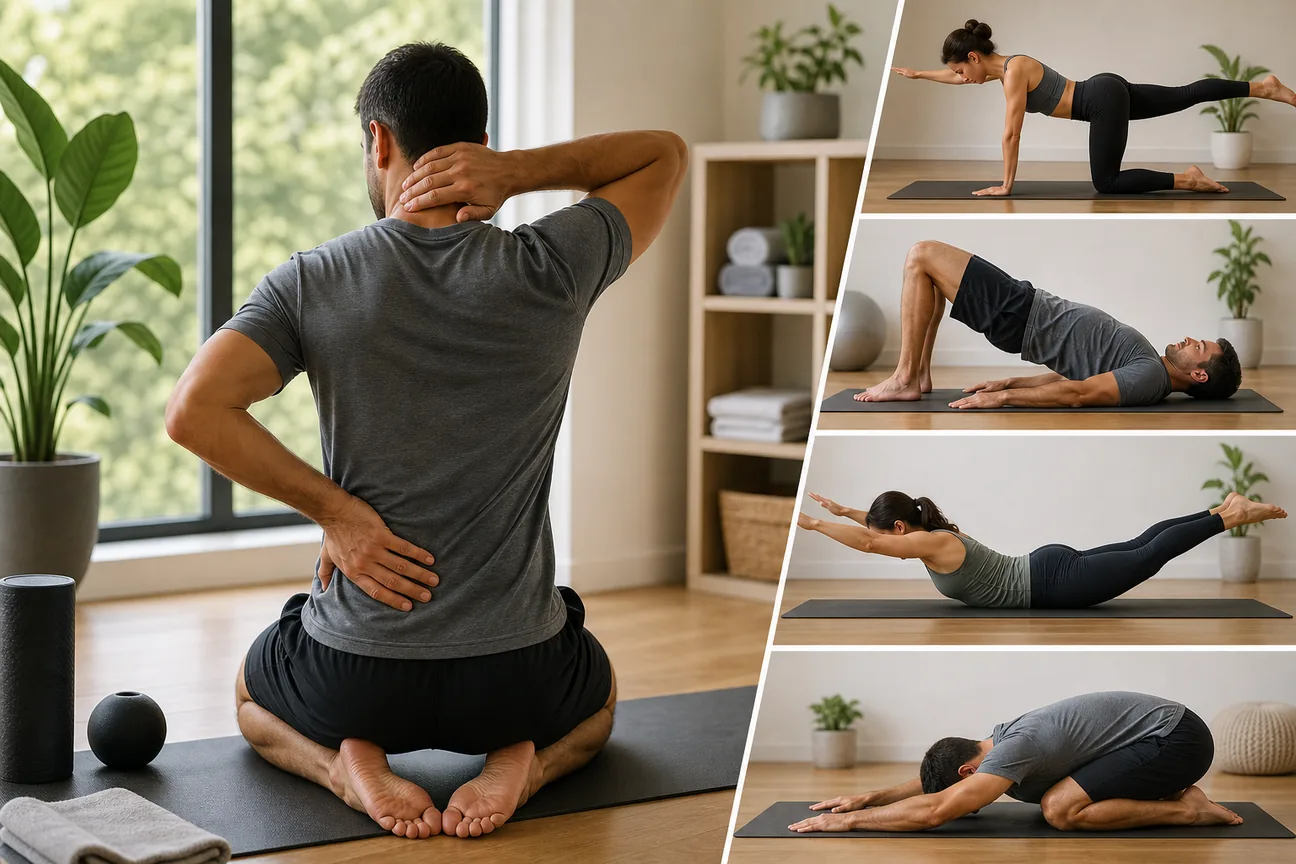
A stronger lower back usually comes from better control through your trunk and hips, not from forcing big back bends. We’ve chosen 10 equipment-free moves, with clear starting points, form cues and safe ways to progress. If pain keeps returning, Unleashed Health Chiropractic in Ascot Vale can help you find a plan suited to your body.
Table of Contents
Curl-Up - Build core stability without repeated spinal movement
Side Bridge - Train lateral trunk strength and pelvic control
Hip Extension - Strengthen the glutes to support the lower back
Hip Abduction - Improve side-hip strength for everyday stability
Knee-to-Chest - Add a gentle complementary lower-back stretch
Dead Bug - Progress core control without loading the spine heavily
Side Plank Clamshells - Combine lateral core and hip strength
Comparison Table: Which Lower-Back Exercise Suits Your Starting Point?
1. Curl-Up - Build core stability without repeated spinal movement
The curl-up is a gentle way to learn how to strengthen your lower back by keeping the spine mostly still while the abdominal muscles work. It’s best for beginners who want core control without lifting the whole trunk.

Lie on your back with one knee bent and the other leg straight. Place your hands under the natural curve of your lower back. Brace your tummy lightly, then lift your head and shoulders a small amount without rounding hard through the spine. Hold for five to eight seconds before lowering with control.
Start with five holds on each side. Build towards two or three rounds. Keep your neck relaxed. The movement should be small. A large sit-up changes the goal and may increase strain.
Stop if you feel sharp pain, spreading symptoms or a marked increase in back pain. For more core ideas and progressions, to core exercises for back pain .
2. Side Bridge - Train lateral trunk strength and pelvic control
The side bridge builds strength along the side of your trunk. It suits people who can lie on their side comfortably and want to improve pelvic control during walking, stairs or single-leg tasks.
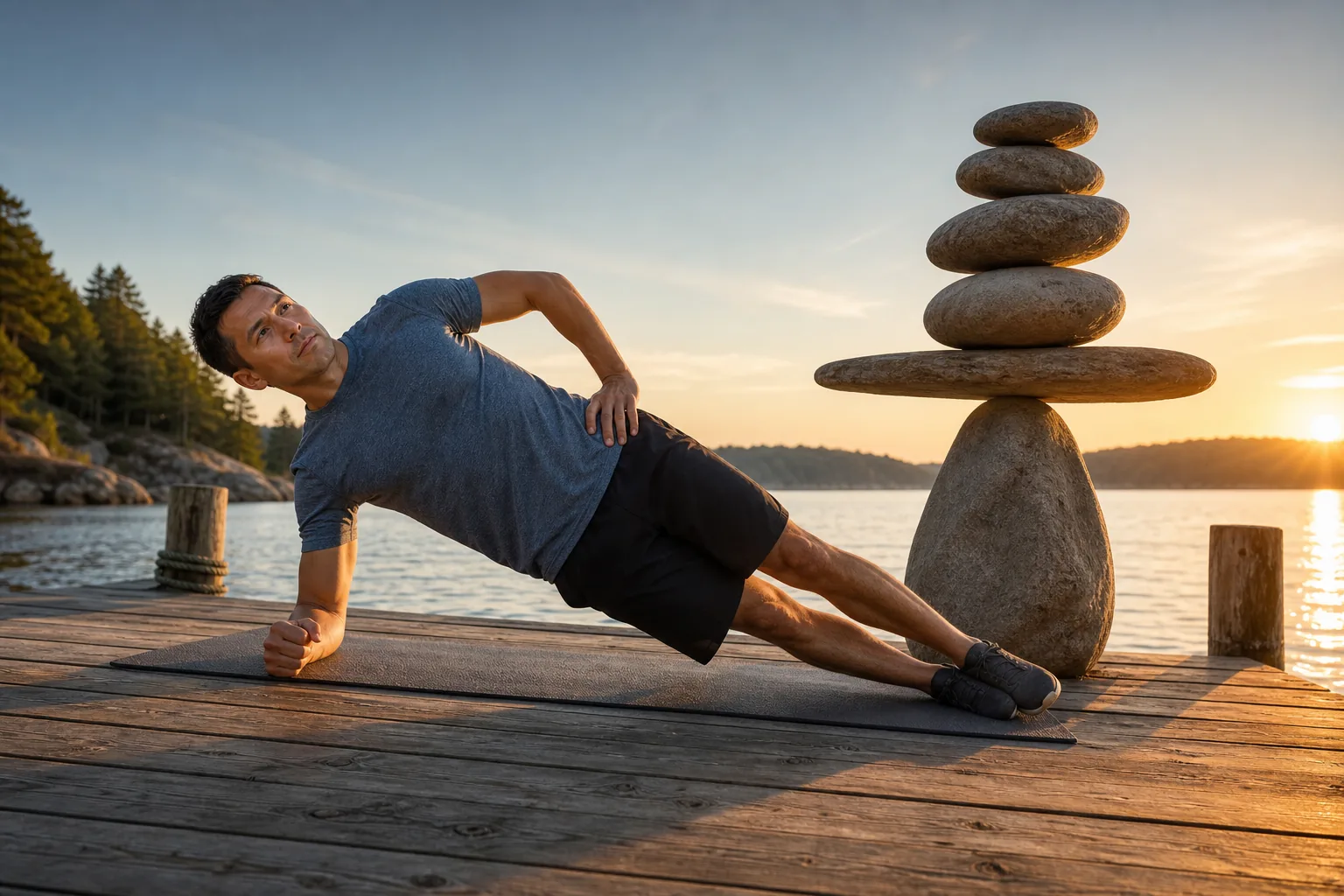
Begin on your side with your elbow under your shoulder. Bend your knees and keep them stacked. Lift your hips until your shoulders, hips and knees form a straight line. Hold for 10 to 20 seconds, then lower slowly. Keep your eyes ahead rather than turning your head down.
The side bridge targets lateral trunk muscles such as the obliques and quadratus lumborum. These muscles help resist unwanted side bending. Start with two holds per side. Add time only when your hips stay lifted without twisting.
A full side plank from the feet is harder. Don’t rush to it. If your shoulder feels sore, reduce the hold or use a higher support. This movement should feel like work through the side of the trunk, not a pinch in the lower back.
3. Bird-Dog - Practise neutral-spine control while moving
Bird-dog is one of the clearest choices for learning how to strengthen lower back support while the arms and legs move. It’s best for people who need better coordination without heavy spinal loading.
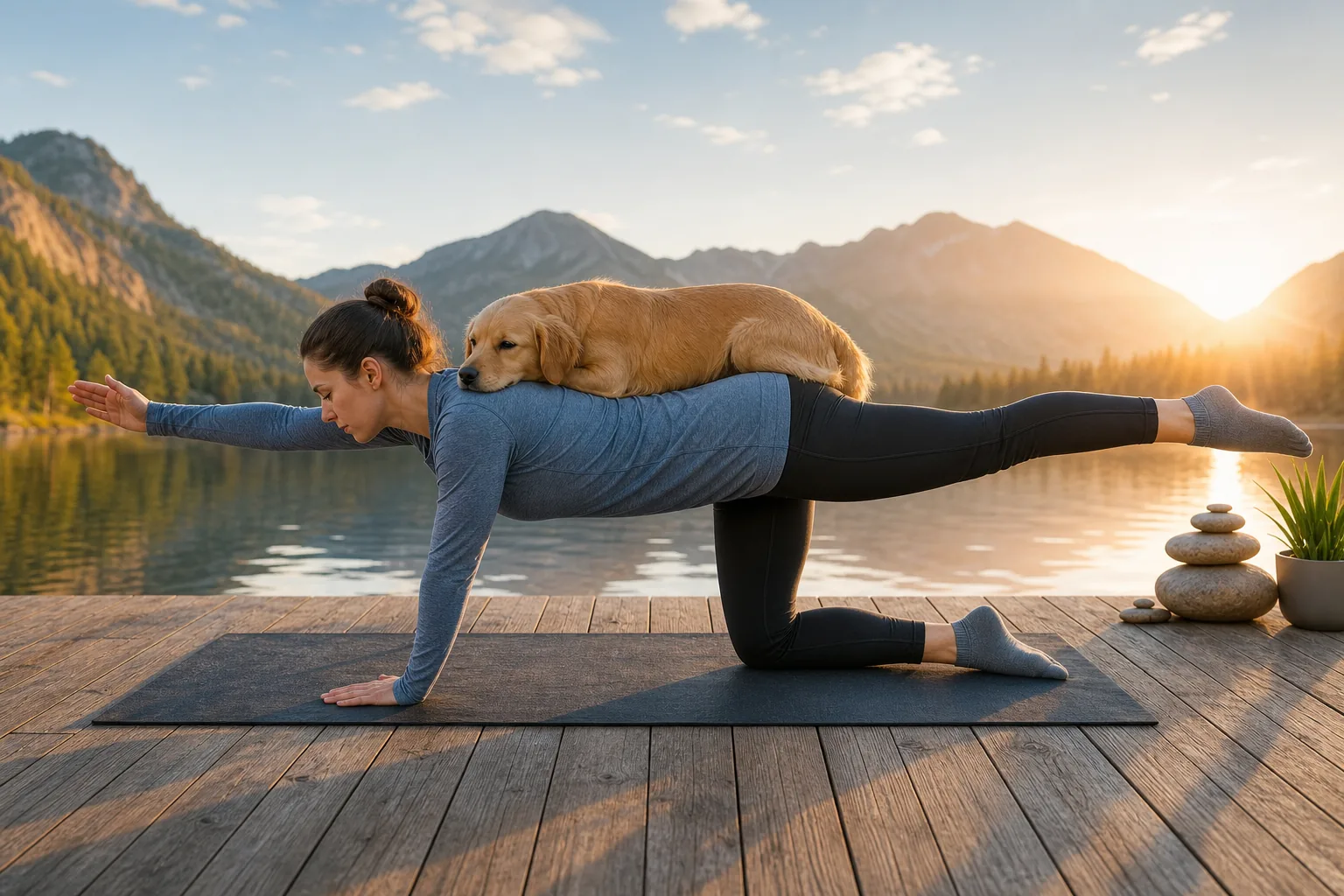
Start on hands and knees. Place your hands below your shoulders and knees below your hips. Brace your tummy gently. Slide one leg back, then reach the opposite arm forward when you can keep your back level. Hold for five seconds. Return slowly and change sides.
The main target is control. Don’t lift the arm and leg as high as possible. A high reach can make the back arch and increase compression. Think of lengthening through the heel and fingertips while keeping your ribs and pelvis still.
Begin with five repetitions per side for two rounds. If balance is poor, move only one limb at a time. Bird-dog practises neutral spinal alignment while engaging the erector spinae, multifidus and gluteal muscles. You can read the open-access research paper at the linked source .
We take the time to check how you move, rather than judging strength from one exercise alone. That matters when symptoms involve the hip, sacroiliac joint or leg.
4. Hip Extension - Strengthen the glutes to support the lower back
Hip extension trains the gluteus maximus, which helps drive the body back to standing. It’s best for people whose lower back takes over during bending, lifting or rising from a chair.
A floor bridge is the simplest version. Lie on your back with your knees bent and feet flat. Place your feet close enough that your heels feel stable. Tighten your glutes, then lift your hips until your body forms a comfortable straight line. Hold for three to five seconds before lowering.
Keep the lift modest. If you push your hips too high, you may arch through the lumbar spine instead of using the glutes. Your ribs should stay relaxed. You should feel the main effort in your buttocks, with some work through the trunk.
Try eight to 10 repetitions for two or three rounds. When that feels easy, slow the lowering phase. Later, you might progress to a staggered stance, but only if both sides remain level.
5. Hip Abduction - Improve side-hip strength for everyday stability
Hip abduction works the side glutes, especially the gluteus medius and minimus. It’s a good pick if your pelvis drops or your knee rolls inward during a step-up or single-leg stance.
Lie on your side with your lower knee bent for support. Keep the top leg straight and slightly behind your body. Lift it a small distance without rolling your pelvis backwards. Pause for one second, then lower slowly.
Start with eight repetitions per side. Complete two rounds. A small movement is often enough. If your hip flexor takes over, bring the top leg slightly behind you and reduce the height.
You can later add a light resistance band above the knees, but only after you can control the body-weight version. The goal is a level pelvis, not the biggest leg lift.
6. Cat-Cow - Mobilise the spine before strengthening
Cat-cow is a mobility drill that can help you prepare for lower-back strengthening. It suits people who feel stiff after sitting and want gentle movement before core or hip work.
Start on hands and knees. Slowly round your back towards the ceiling, then move through a comfortable arch while your chest opens. Keep the motion smooth and easy. Your neck should follow the spine rather than lifting hard towards the ceiling.
Use five to eight slow cycles. Don’t force either end range. This is not a test of how far you can bend. It should help you sense how your spine and pelvis move together.
Cat-cow can target several lower-back muscles and improve spinal mobility, but it is not a stand-alone strength plan. Pair it with bird-dog or hip extension if those exercises suit you.
If flexion makes your leg pain worse, reduce the rounding or stop. We understand that the same movement can feel fine one day and irritating the next. A tailored plan is safer than copying a routine that ignores your symptoms.
7. Knee-to-Chest - Add a gentle complementary lower-back stretch
Knee-to-chest is a stretch, not a classic strengthening exercise. It may suit people who want a passive movement for stiffness before their strengthening work.
Lie on your back with both knees bent. Bring one knee towards your chest and hold behind the thigh. Keep the other foot on the floor if that feels better. Hold for 15 to 30 seconds with easy breathing, then change sides.
You can also bring both knees in, but don’t pull hard. Let the stretch stay mild. A strong tug can irritate the back or hip, especially during a flare-up. Try one or two rounds rather than repeating it until the area feels sore.
This stretch may feel relieving for some people, while others prefer a neutral position. That difference is normal. If symptoms travel down the leg, cause numbness or worsen after the stretch, stop and seek an assessment.
Our advice on gentle stretches for lower back pain can help you compare stretch-based movements with strengthening work.
8. Supine Marches - Challenge the core with low back support
Supine marches train the core while your back stays supported by the floor. They’re useful for beginners who find bird-dog too demanding or who struggle to control the pelvis in standing.
Lie on your back with both knees bent. Find a comfortable neutral position. Brace your tummy gently, then lift one foot a few centimetres from the floor. Lower it without letting your pelvis tip. Change sides at a slow pace.
Begin with six repetitions per side. Complete two rounds. If your back arches or your ribs flare, make the lift smaller. You can keep one hand on the front of your pelvis to check for unwanted movement.
The exercise should challenge the core without putting too much pressure on the back. It should not produce sharp pain. Once you can march with control, pause briefly at the top or move more slowly. Don’t add both changes at once.
9. Dead Bug - Progress core control without loading the spine heavily
Dead bug is a more demanding core drill that teaches you to move the arms and legs while keeping the trunk steady. It’s best for people who can perform supine marches without back arching.
Lie on your back and lift your arms towards the ceiling. Bring your hips and knees to a comfortable bent position. Brace your tummy. Slowly lower one heel towards the floor while reaching the opposite arm overhead. Return to the start, then change sides.
Keep the range short at first. Your lower back should stay comfortable. If it arches, bring the limbs back closer to the body or return to supine marches. The slow return is part of the exercise, so don’t let the limbs drop.
Try five repetitions per side for two rounds. Rest when your form fades. Later, extend the leg farther or add a longer pause, but keep the same calm breathing pattern.
Key Takeaway:The right level is the hardest version you can perform without back pain, breath holding or loss of pelvic control.
10. Side Plank Clamshells - Combine lateral core and hip strength
Side plank clamshells combine a side bridge with hip rotation. They suit people who already manage a bent-knee side bridge and want more work through the glutes and obliques.
Lie on your side with your knees bent. Support yourself on your elbow, which should sit below your shoulder. Lift your hips into a bent-knee side plank. Keep your heels together and lift the top knee without rolling your pelvis backwards. Lower the knee, then lower the hips.
Start with five controlled repetitions per side. Use one or two rounds. The knee lift should be small. If your trunk rotates, reduce the range or return to a regular side bridge.
This move can strengthen hip and trunk stabilisers that help manage force through the pelvis. It is not the first exercise to choose during a painful flare-up. Build the basic side bridge first, then add the clamshell once you can keep a straight line through your shoulders, hips and knees.
We tailor exercise choice to your symptoms, strength and daily needs at Unleashed Health Chiropractic. That may mean starting with a smaller movement.
Comparison Table: Which Lower-Back Exercise Suits Your Starting Point?
Choosing how to strengthen lower back muscles depends on your current control, not on which move looks hardest. Use this table as a starting point, then adjust the range when your symptoms or form change.
Starting point | Good first choice | Main focus | Common mistake |
New to exercise | Curl-up or supine marches | Gentle core control | Holding your breath |
Stiff after sitting | Cat-cow | Easy spinal movement | Forcing the end range |
Weak hips | Hip extension | Glute strength | Arching the lower back |
Poor single-leg control | Hip abduction | Side-hip strength | Rolling the pelvis |
Ready for balance work | Bird-dog | Neutral spine under movement | Lifting too high |
Comfortable with basic core work | Dead bug | Controlled limb movement | Letting the back arch |
Ready for a harder side challenge | Side plank clamshells | Glutes and obliques | Rotating the trunk |
Core stability involves controlling the trunk over the pelvis. The gluteal muscles also help move force from the legs towards the spine.
For a short home routine, begin with cat-cow, then choose one core move and one glute move. Do two rounds on alternate days. Start with the lowest level that lets you move smoothly. After two weeks of easy, pain-free work, add a few seconds to a hold or slow the lowering phase. Don’t increase time, repetitions and resistance together.
People over 50 can use the same plan with extra support. Perform standing work beside a bench or kitchen bench. Use a firm bed or mat for floor exercises. Short sessions are fine. The aim is regular movement without a next-day flare.
Exercises may need changes if you have a disc bulge, sciatica, osteoporosis, recent injury or ongoing night pain. Get individual advice before progressing. Seek urgent medical care for new loss of bladder or bowel control, numbness around the saddle area, major leg weakness or severe pain after trauma.
Pro Tip:Check your everyday movements too. Hinge at the hips when lifting, keep loads close to your body and change position often when sitting.
FAQ
How often should I strengthen my lower back?
Most people can begin with two or three short sessions each week, provided the exercises don’t worsen symptoms. Use one core move and one hip move at first. Leave time between sessions so you can judge your response. If pain builds during the night or remains worse the next day, reduce the volume and seek personalised advice.
What is the best exercise for lower back strength?
The best exercise depends on your current control and symptoms. Bird-dog, hip extension and supine marches are useful starting choices because they train the trunk or hips without heavy equipment. A practitioner can check whether the main limit is strength, mobility, balance or pain sensitivity before choosing your level.
Can I exercise with lower back pain?
You may be able to exercise with mild, stable lower back pain, but the movement should stay controlled and tolerable. Start with a small range and stop if pain becomes sharp, spreads down the leg or causes numbness. Pain that keeps returning deserves an assessment rather than repeated changes to a home routine.
How do I strengthen my lower back without weights?
You can strengthen lower-back support without weights by using curl-ups, bridges, bird-dog, hip abduction, side bridges and dead bugs. Progress with longer holds, slower movement or harder body positions. You don’t need to chase large movements. Good form matters more than making the exercise look advanced.
Are stretches or strengthening exercises better for a sore back?
Neither is always better because stretches and strengthening drills solve different problems. Knee-to-chest and cat-cow may help some people with stiffness, while bridges or bird-dog build control. Use the response of your symptoms as a guide. If stretching repeatedly increases leg pain, stop and have the cause checked.
When should I see a chiropractor for lower back pain?
See a chiropractor when pain limits work, sleep, walking or exercise, or when you’re unsure which movements are safe. Unleashed Health Chiropractic provides natural, non-surgical care and rehabilitation in Ascot Vale. We’ll take the time to assess your presentation and tailor a plan that fits your goals.
Start with cat-cow, one gentle core exercise and one glute exercise on alternate days. If pain persists or your form is hard to control, contact Unleashed Health Chiropractic in Ascot Vale for an individual assessment and a clear next step.


Comments