


Best Stretches for Tight Hips: 4 Options
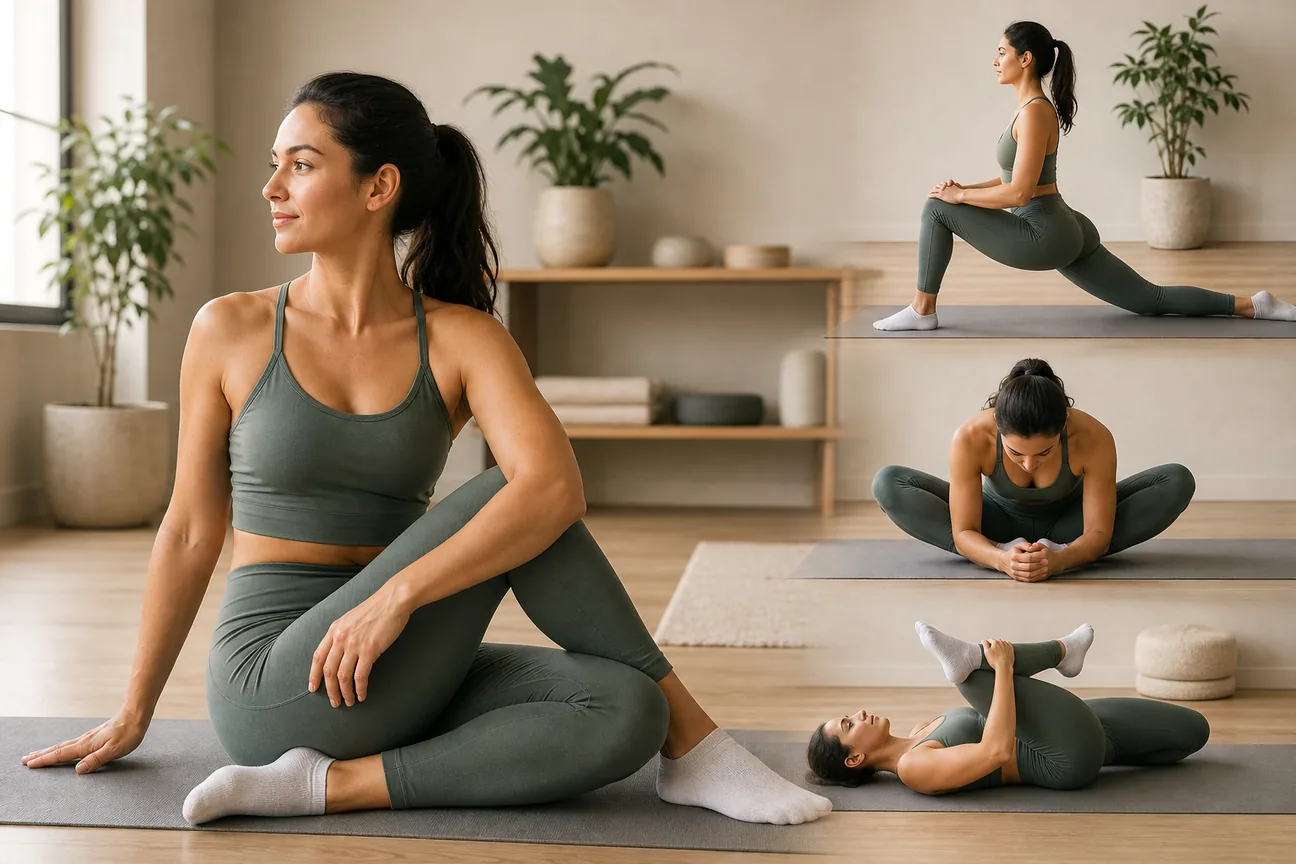
Hip tightness can come from long hours in a chair, training load, or a mix of both. The best choice depends on what you need today, such as a gentle reset after sitting or a warm-up before exercise. Here are four useful stretches for tight hips, plus the safety points online lists often leave out.
Table of Contents
1. Spiderman stretch, a dynamic warm-up option
The Spiderman stretch is a moving hip stretch that can help warm your body before a workout. It suits people who feel stiff before walking, running, gym work, or a field sport.
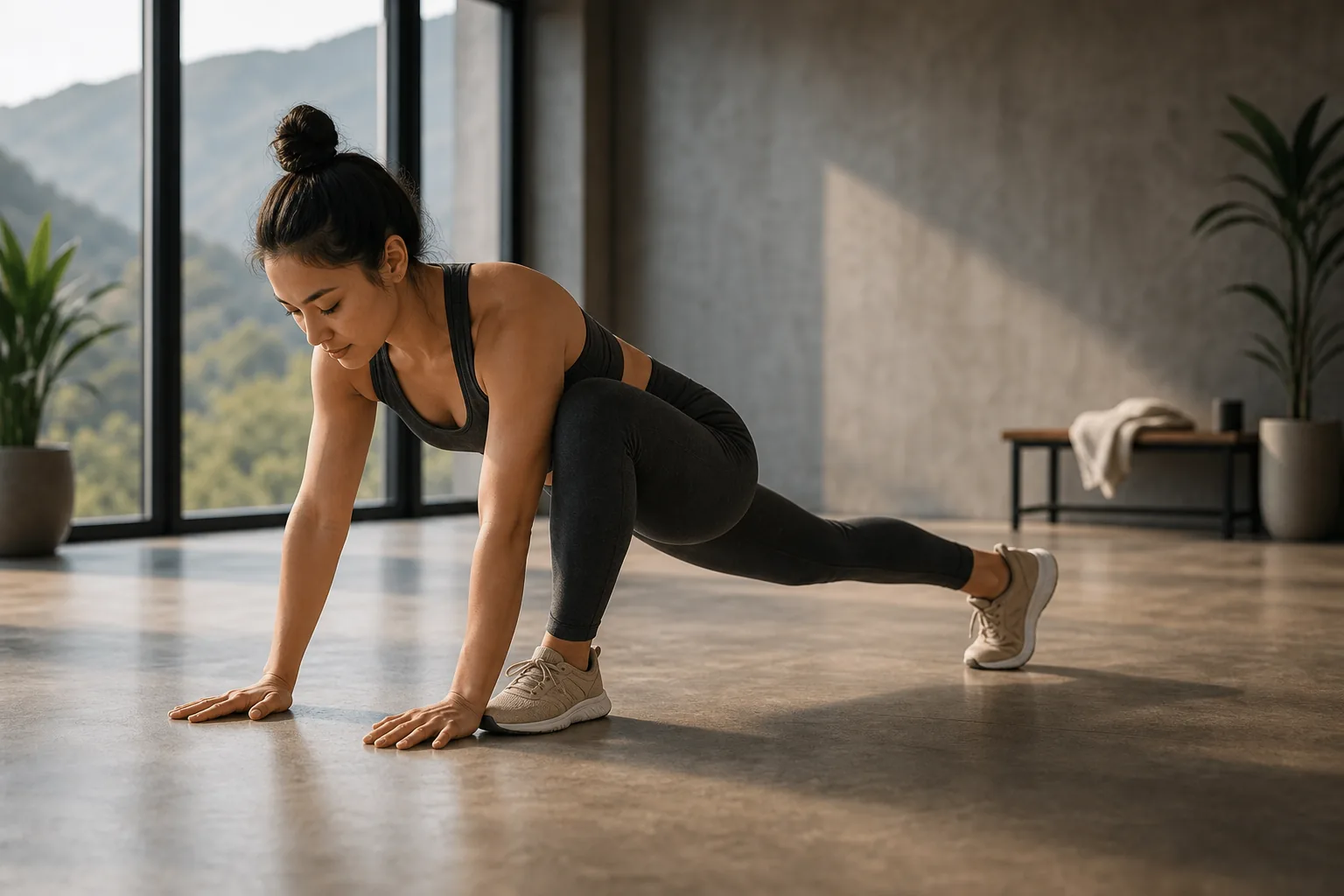
Start in a high plank with your hands below your shoulders. Step one foot up beside the outside of the same hand. Keep the other leg long behind you, then return to the start and change sides. Move slowly enough to keep your hips facing the floor.
This version has a useful role before exercise because it combines a lunge position with controlled movement. It may also feel helpful after sitting, when the front of the hips has stayed bent for a long time. We prefer a smooth range over a deep one. Your body should feel more ready, not more sore.
Keep your back steady as you move. If your hands do not reach the floor, place them on a firm bench or use a raised surface. The knee should track in the same direction as the foot. Do not force the front heel down if that changes your form.
Stretching should not feel painful. A mild pull can be acceptable, but sharp pain, pinching, or symptoms that travel into the leg are reasons to stop. Our guide to exercises for lower back pain uses the same principle: begin with small, easy movements and check how your body responds later.
The Spiderman stretch is the better pick when you want movement. It is less suited to a fresh injury or a hip that feels unstable during a lunge.
2. Foam roller stretch, targeted relief for hip tightness
A foam roller stretch uses gentle pressure to work around tight areas near the hips. It suits people who like self-massage or who feel stiff after sitting, training, or travel.
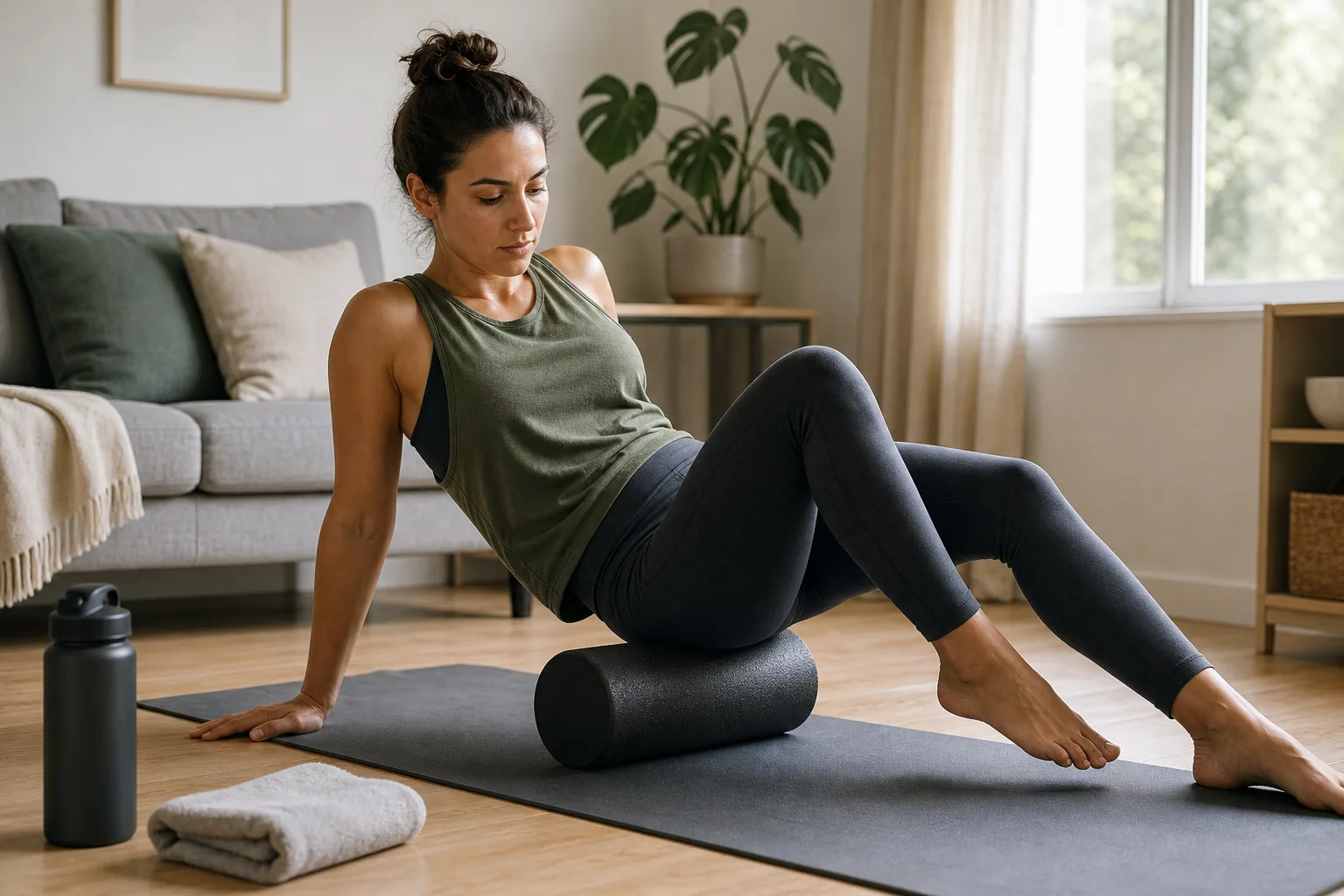
Place the roller on the floor and position the outside of your hip over it. Support yourself with your hands and the opposite foot. Move slowly across the fleshy area rather than rolling quickly over a joint or bony point.
Use light pressure at first. If you find a tender spot, pause and breathe instead of pressing harder. The aim is to reduce the feeling of tightness, not to chase pain. A roller can feel intense, so a folded towel or a softer ball may be a better starting point for some people.
This option is different from a held stretch. It gives you feedback through pressure and movement. That can make it useful before a mobility routine, but it does not tell you why the area feels tight. Hip pain can sometimes come from a problem that needs assessment rather than more pressure.
For wider context, general information about hip stretches and foam rolling is available. Five rushed minutes on a roller is less useful than a short, calm session that leaves you moving well.
Pro Tip:Keep the pressure mild enough that you can breathe normally. If you brace, hold your breath, or feel a sharp rise in pain, reduce the pressure or stop.
Choose the foam roller when the main problem feels like broad muscle tightness. Skip it over a fresh bruise, a swollen area, or any place that gives you nerve symptoms.
3. Seated yoga pose, gentle mobility for hips and spine
A seated yoga pose can open the hips while adding gentle movement through the spine. It is a good fit if floor lunges feel too demanding or you want a quieter option after a long workday.
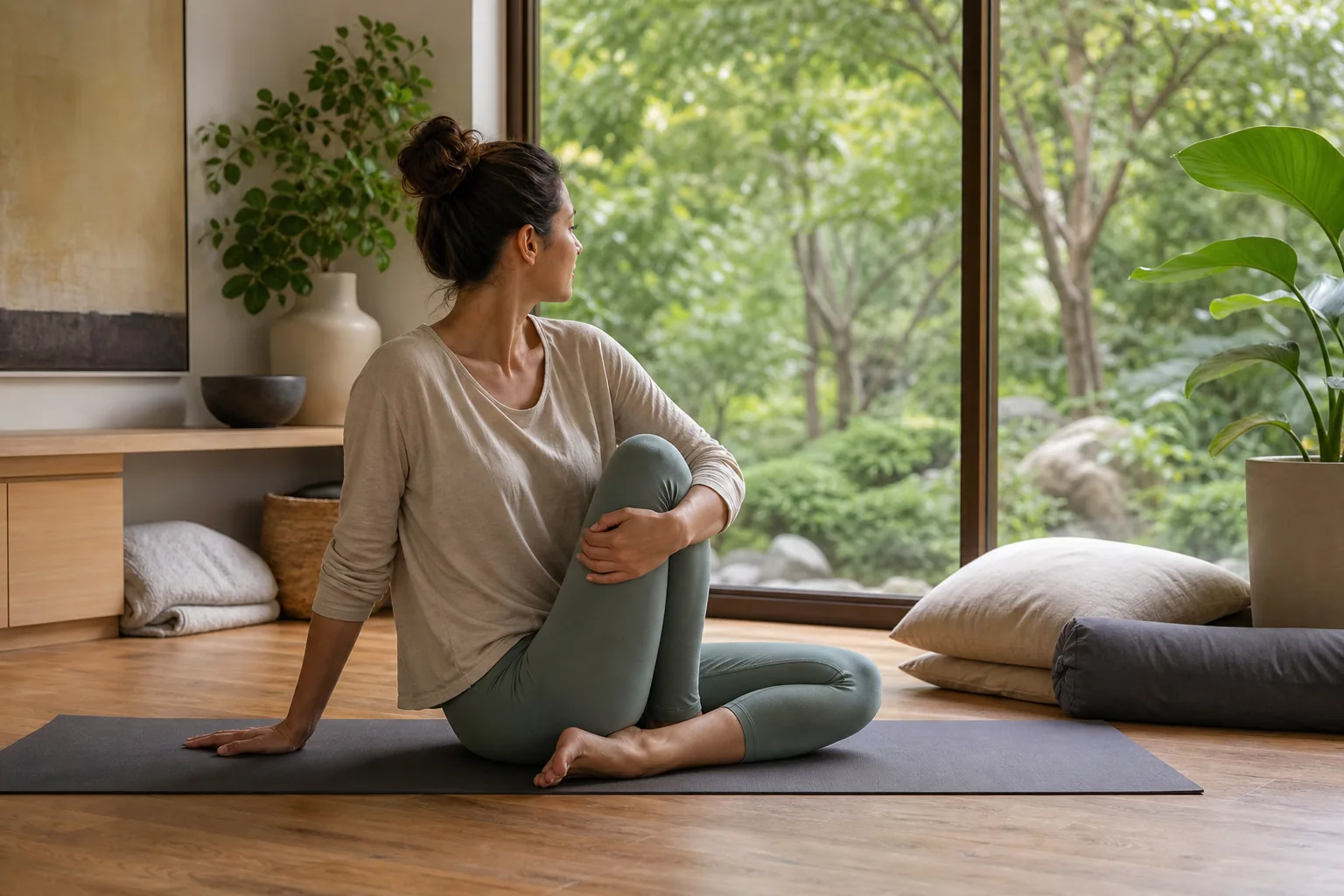
Sit on a firm surface with your legs in a comfortable position. Lengthen your spine without forcing your chest up. Let your hips settle, then make a small forward lean only if the movement feels easy. Come back to upright before your back rounds heavily.
The seated position gives you more control over how much load reaches the hips. You can sit on a folded towel if your pelvis tips sharply backwards. That small change may help you stay taller without gripping through your lower back.
Think of this as mobility practice rather than a test of flexibility. Move in and out of the position with calm breaths. Keep the range small if one hip feels different from the other. It is common for one side to feel less free, but a large difference with pain deserves more care.
The source material does not give a target muscle, hold time, or set count. That gap matters. The right dose depends on your symptoms, movement range, and reason for the tightness.
We take the time at Unleashed Health Chiropractic to look at how hip symptoms affect your walking, work, sport, and lower back. If a seated option feels calm and controlled, it may suit a home routine. If it causes a pinch at the front of the hip, change the position rather than pushing deeper.
4. Pigeon pose, a deeper stretch when comfortable
Pigeon pose is a deeper hip stretch for people who already tolerate floor positions well. It may suit someone who wants a longer, quieter stretch after gentle movement, but it is not the first choice for every sore hip.
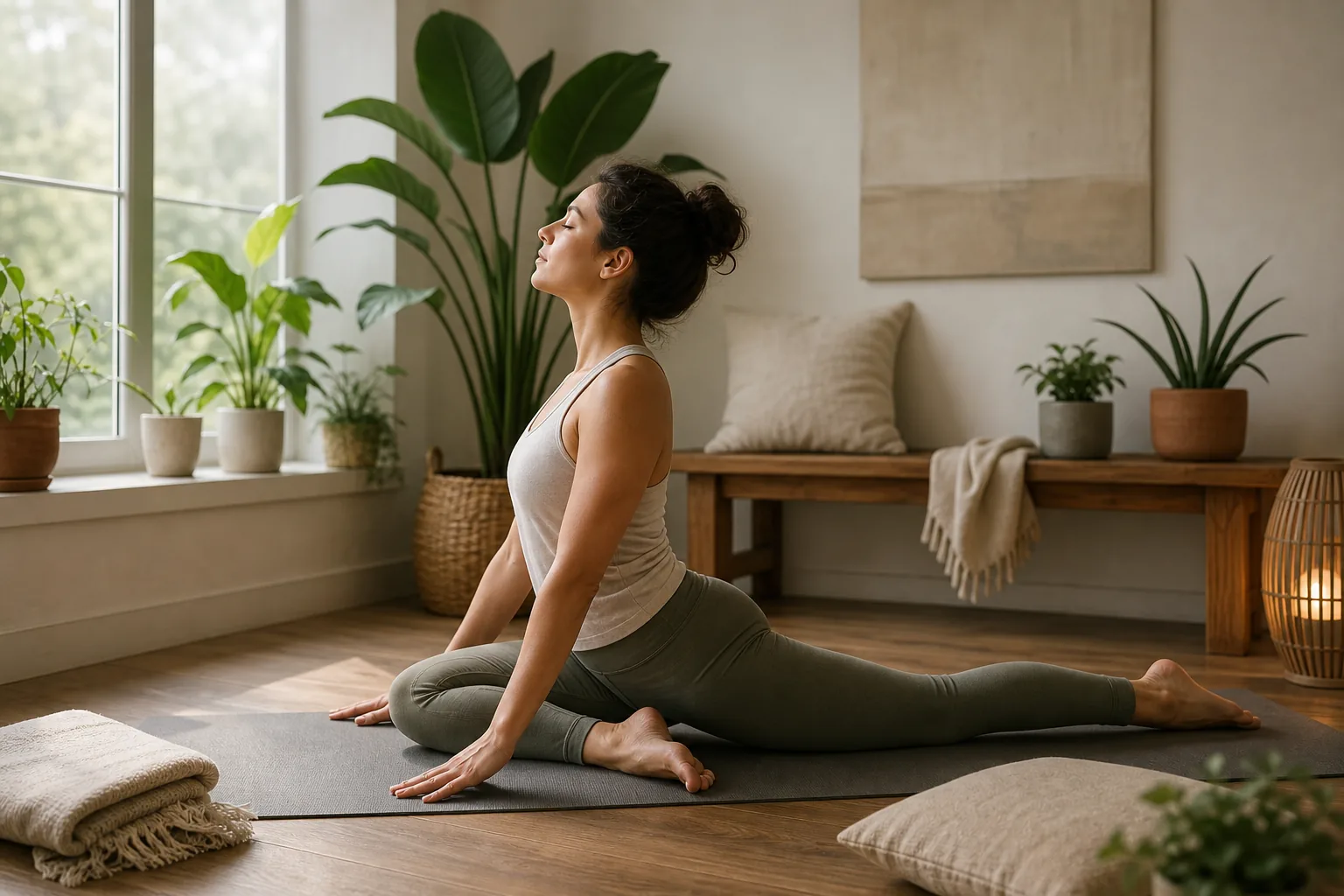
Begin on hands and knees. Bring one knee forward and place the lower leg at an angle that feels safe. Extend the other leg behind you, then keep your weight centred rather than dropping straight onto the front hip.
You can stay upright with your hands on the floor. That is often the better start. A forward fold adds more load, so only use it when the upright version feels steady and comfortable. Support the front hip with a cushion if the pelvis hangs far off the floor.
Pigeon pose can feel strong because it places the hip in a position that many people do not use during the day. Strong is not the same as useful. If you feel knee pressure, front-of-hip pinching, or pain that spreads down the leg, come out of the pose.
The key caution from the source material is simple: do pigeon pose only if you feel comfortable with it. A Today explanation of pigeon pose also places attention on comfort and form rather than forcing depth. Use support freely. A supported pose still counts.
We understand that a deep stretch can look appealing when your hips feel stiff. But depth is not a measure of progress. Choose pigeon pose only when the easier options feel settled and your knee, hip, and lower back remain calm.
Compare these 4 stretches for tight hips
Each option has a different job. The Spiderman stretch suits a moving warm-up. The foam roller targets the feeling of broad tightness. The seated pose keeps the work gentle, while pigeon pose asks for more hip range.
Option | Best fit | Equipment | Difficulty feel | Watch for |
Spiderman stretch | Warm-up before movement | None | Moving and moderate | Pain or loss of control in the lunge |
Foam roller stretch | Broad muscle tightness | Foam roller | Pressure-based | Too much pressure or nerve symptoms |
Seated yoga pose | Gentle hip and spine mobility | Optional cushion | Low to moderate | Pinching or forced rounding |
Pigeon pose | Deeper stretching when comfortable | Optional cushion | Moderate to deep | Knee pain or hip pinching |
Online lists can name useful movements without giving enough detail about target muscles or hold time. In the four entries reviewed for this article, none included both of those details. So treat this table as a choice guide, not a fixed prescription.
Start with the easiest option that matches your goal. If your hip pain is severe, persistent, or linked with numbness, weakness, or pain down the leg, stop stretching and arrange an assessment.
FAQ
What are the best stretches for tight hips?
The best stretches for tight hips are the ones you can do with steady breathing and no sharp pain. The Spiderman stretch suits a warm-up, while a seated yoga pose is often gentler. Foam rolling may help broad tightness. Pigeon pose is better saved for people who already tolerate deeper hip positions.
How long should I hold a hip stretch?
There is no single hold time that suits every hip stretch or every person. The source list reviewed here does not provide hold times for its four options. Start with a brief, comfortable period and reassess how you feel later. If symptoms rise during the stretch or stay worse afterwards, reduce the range or stop.
Can stretching fix tight hips?
Stretching may ease the feeling of tight hips, but it cannot explain every cause of hip pain. Long periods of sitting, training load, joint irritation, or a separate injury may all need different care. Gentle movement can help some people. Persistent symptoms need assessment so you are not treating the wrong problem.
Should I stretch tight hips every day?
You may be able to do gentle hip mobility each day if it feels comfortable and your symptoms stay settled. Daily practice does not mean pushing deeper each time. Use a small range, change position often, and judge your response later that day. A flare, sharp pain, or new nerve symptom means you should pause and seek advice.
When should I see a chiropractor for hip pain?
Consider seeing a chiropractor when hip pain keeps returning, limits daily tasks, or does not settle with gentle movement. Unleashed Health Chiropractic can assess the wider pattern, including the hip, pelvis, and lower back, as well as related sacroiliac joint sprains . We tailor care to your symptoms rather than handing you the same stretch routine for every problem.
Conclusion
Start with the seated yoga pose or Spiderman stretch if you want a gentler entry point. Add pressure or depth only when your body stays calm. If hip pain persists, learn how to do a piriformis stretch safely , or speak with Unleashed Health Chiropractic in Ascot Vale for a tailored plan. We look forward to helping you move with more confidence.


Comments