


Exercises for Neck Pain Relief: A Step‑by‑Step Guide
Neck pain can hijack your day, especially after long hours at a desk. The good news is you can ease the tension with a few simple moves you can do at home. Below is a clear, step‑by‑step plan to help you get moving safely.
We analyzed 22 YouTube comments about neck pain relief exercises and found that 50% mentioned exercise frequency.
Table of Contents
Step 1: Check That Gentle Neck Exercises Are Suitable for You
Before you start, make sure you’re cleared for movement. Most neck pain stems from muscle strains, mild arthritis, or a slipped disc, but some conditions need a clinician’s go‑ahead. If pain spikes, radiates to the arm , or is accompanied by numbness, see a health professional first.
If you are unsure, ask your GP or another health professional whether these exercises suit you. They may also refer you to a chiropractor for a tailored assessment. Unleashed Health Chiropractic takes the time to review your medical history, run a thorough examination and decide if gentle exercises are safe for you.
When you get the green light, start with the lightest moves. Aim for two short sessions a day, each lasting five to ten minutes. If any exercise makes the pain worse, stop immediately and check back with your provider.
Keeping a simple pain‑rating log (0‑5) helps you track progress without overdoing it.
Step 2: Begin with Slow, Comfortable Neck Movements
Start with the basics: gentle flexion, extension, and rotation. Sit tall, shoulders relaxed, and move your head just enough to feel a mild stretch.
For flexion, tuck your chin toward your chest and hold for a count of three. For extension, look up slightly, keeping the movement small. For rotation, turn your head left and right, staying within a comfortable range. Perform each motion ten times, twice daily.
Keeping your head in a comfortable, neutral position can help you move without straining your neck. This simple routine helps restore range of motion without straining joints.
Remember to breathe naturally: exhale as you move into the stretch, inhale as you return to neutral.
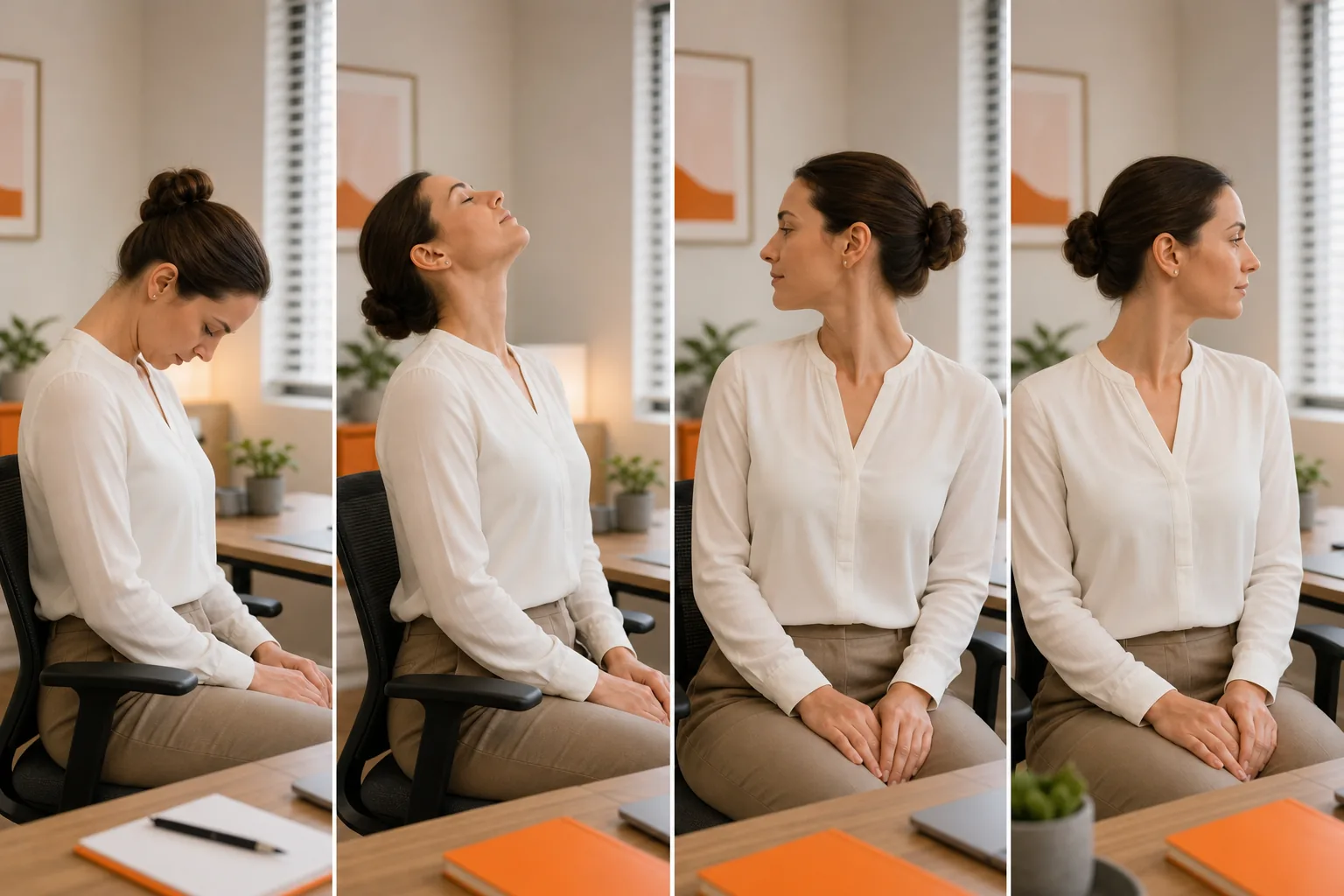
Everyone responds differently, so keep the movements gentle and note any change in stiffness or range of motion over the first week.
Step 3: Add Gentle Neck and Chest Stretches
Now bring in targeted stretches for the upper trapezius, levator scapulae, and chest muscles. These areas often tighten from hunching over screens.
The Upper Trapezius Stretch involves sitting tall, reaching one hand over the opposite ear, and gently pulling toward the shoulder. Hold for 20 seconds, repeat three times per side, twice a day. The Levator Scapular Stretch uses a similar hand placement, but you pull the chin toward the armpit. Hold for 20 seconds, repeat three times per side, twice a day.
For the chest, the Doorway Stretch opens the pectoral muscles: place forearms on a door frame, step forward slightly, and feel a stretch across the chest. Hold 10‑20 seconds, repeat three times, twice a day.
Feel a gentle pull, not pain. If you sense sharp discomfort, ease back or skip that stretch for the day.
Want more ideas for easing tight neck muscles at home? Check out How to Relieve Tight Neck Muscles at Home for extra tips.
Step 4: Build Support with Shoulder‑Blade Exercises
Strong scapular retractors take pressure off the neck. Start with the Shoulder Scapular Squeeze: sit or stand tall, pull shoulder blades together, hold five seconds, repeat ten times, twice daily. This move encourages good posture without causing shoulder elevation.
Next, try Wall Push‑Ups. Stand a foot away from a wall, place hands at shoulder height, and bend elbows while keeping the head neutral. Perform ten repetitions, one to two sets, twice a day.
If you have a resistance band, the Theraband™ Row adds extra challenge. Anchor the band at chest level, pull elbows back while squeezing the shoulder blades, and repeat 20 times, twice daily.
These exercises complement the earlier stretches and create a balanced routine.
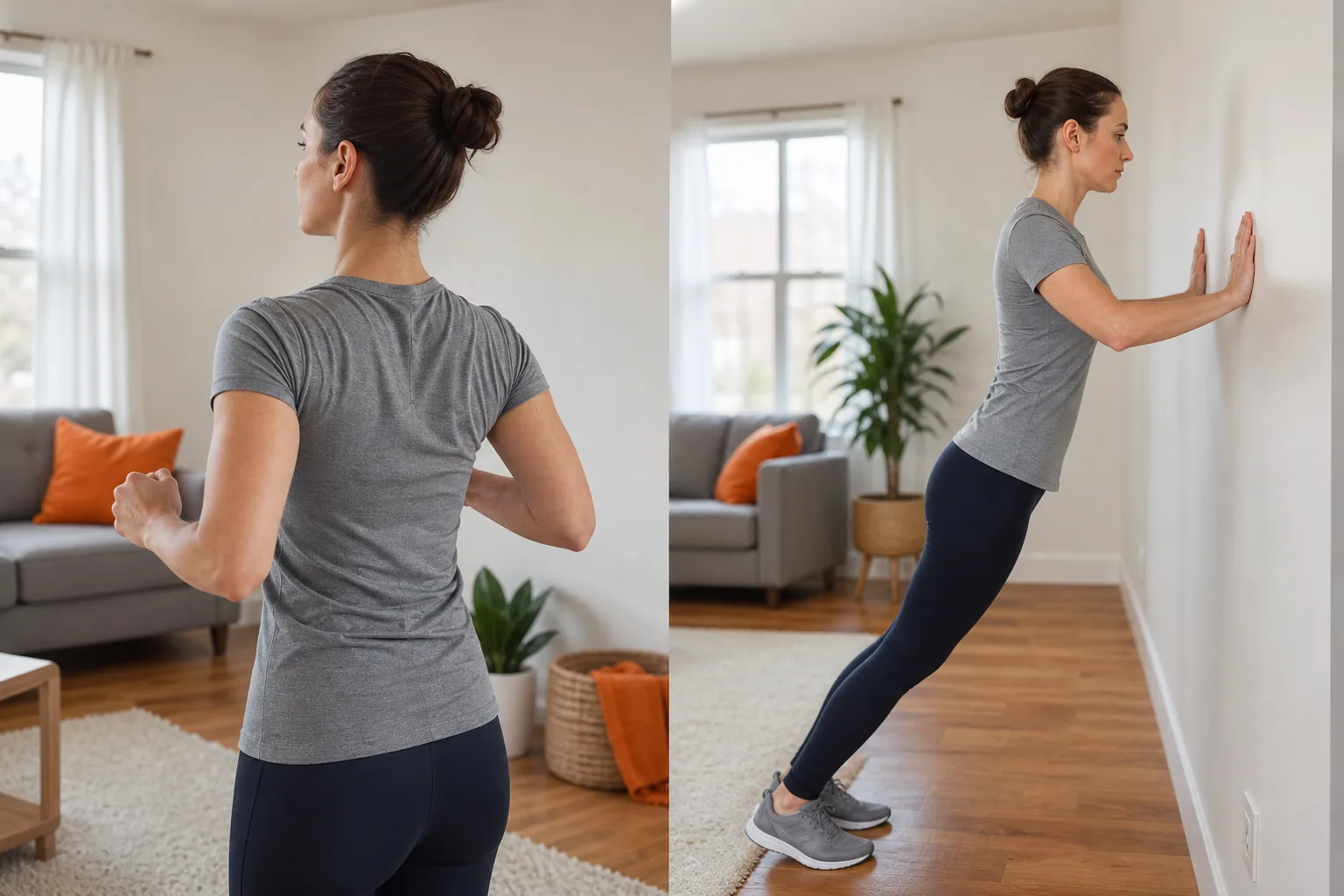
As you get comfortable, you can add a second set or increase the hold time by a few seconds.
Step 5: Put the Exercises into a Comfortable Routine
Consistency beats intensity. Schedule your neck routine around daily habits: a quick session after waking, another after lunch, and a final one before bed.
Start with the slow neck movements (Step 2), then move to the stretches (Step 3), and finish with the shoulder‑blade work (Step 4). Keep each session to about ten minutes.
If you’re at a desk, set a timer to remind you to stand, roll your shoulders, and do a few chin tucks. When you’re on the move, use a wall or doorway for the stretches.
Tracking progress helps you stay motivated. Note how many repetitions you complete, any changes in pain level, and how long you can hold each stretch. Over a few weeks, aim to increase repetitions by a small amount (for example, add two more reps per set).
When the routine feels easy, you can add light resistance, like a Theraband, or increase hold times by five seconds.
If you need more guidance on building a habit, read How to Relieve Neck and Shoulder Pain: 5 Simple Steps . It offers practical tips for staying active and preventing flare‑ups.
Remember, the goal is gentle movement, not pain. If any move spikes your discomfort, pause and speak with your clinician.
Frequently Asked Questions
Can I do these exercises if I have a herniated disc?
Only if your doctor or physiotherapist says it’s safe. Start with the very gentle neck movements and stop if you feel sharp pain or numbness.
How often should I stretch to see improvement?
Two short sessions a day, each about five to ten minutes, are enough for most people. Consistency over weeks yields the best results.
Is it okay to use a pillow for support while doing these moves?
Yes. A firm, adjustable pillow can help keep the neck in a neutral position, especially during seated stretches.
Should I avoid any activities while doing the routine?
Avoid heavy lifting, high‑impact sports, or prolonged forward‑head posture until the neck feels stronger and less sore.
When should I see Unleashed Health Chiropractic?
If pain persists beyond six weeks, worsens, or spreads to the shoulders or arms, book an appointment. The clinic offers complete assessments and tailored treatment plans.
Conclusion
Start with the gentle moves, add targeted stretches, then strengthen your shoulder blades. Build the routine into your daily habits and keep track of how your neck responds. If you need a personalised plan or your pain isn’t improving, schedule a visit with Unleashed Health Chiropractic today.


Comments