


How to Relieve Tight Neck Muscles at Home
A few hours at a screen can leave your neck feeling stiff, sore and hard to turn. The good news is that gentle movement often helps. We’ll show you how to relieve tight neck muscles with safe stretches, better desk habits and simple self-care, plus when an assessment at Unleashed Health Chiropractic may be the better next step.
Table of Contents
Step 1: Identify What May Be Making Your Neck Tight
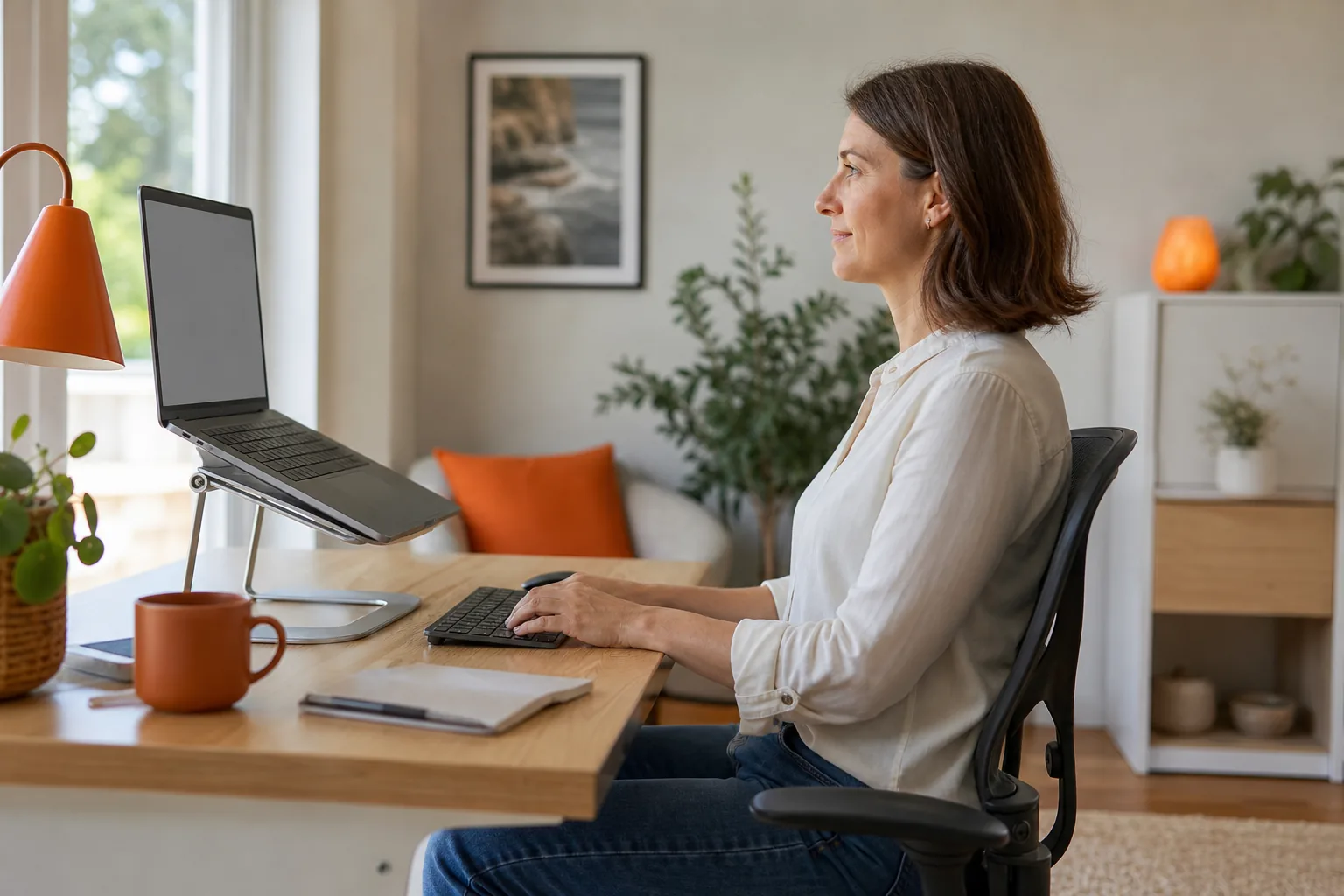
Before you stretch, work out what may be driving the tightness. Poor posture is common. When your head stays forward while you look at a laptop or phone, the muscles at the back of your neck must work for longer.
Long screen sessions can also reduce how often you move your neck. Stress may add another layer. Many people hold their shoulders up or clench their jaw when they feel tense. That can leave the neck muscles tired by the end of the day.
Ask yourself three quick questions:
Did the tightness start after a long drive, desk session or phone use?
Is it worse after sleep, or does your pillow make turning hard?
Did it begin after a fall, sudden movement, sport injury or car accident?
A mild ache that changes with movement may respond to gentle home care. Sudden severe pain needs more care. So does pain with arm weakness, numbness, tingling, dizziness, trouble walking or a severe headache.
We take the time at Unleashed Health Chiropractic to ask how your neck problem affects work, sleep and daily movement. That history helps guide the next step instead of treating every stiff neck in the same way.
Key Takeaway:If the cause is unclear, or symptoms started after an injury, don’t push through a stretch routine without advice.
Step 2: Perform Gentle Neck Stretches for 20–30 Seconds
To relieve tight neck muscles, move slowly and stay in a comfortable range. Stretching should feel mild. It shouldn’t cause sharp pain, pins and needles or a sense that your head is spinning.
First, warm up with five slow repetitions in each direction. Turn your head left, then right. Bring one ear towards the same shoulder. Then nod your chin towards your chest and return to neutral. Finish with five relaxed shoulder rolls.
Upper trapezius stretch
Sit tall. Keep your right shoulder down by placing your right hand beneath your thigh. Tilt your left ear towards your left shoulder. Use your left hand for light pressure only. Hold for 20 to 30 seconds, then change sides. Repeat each side up to three times.
Levator scapulae stretch
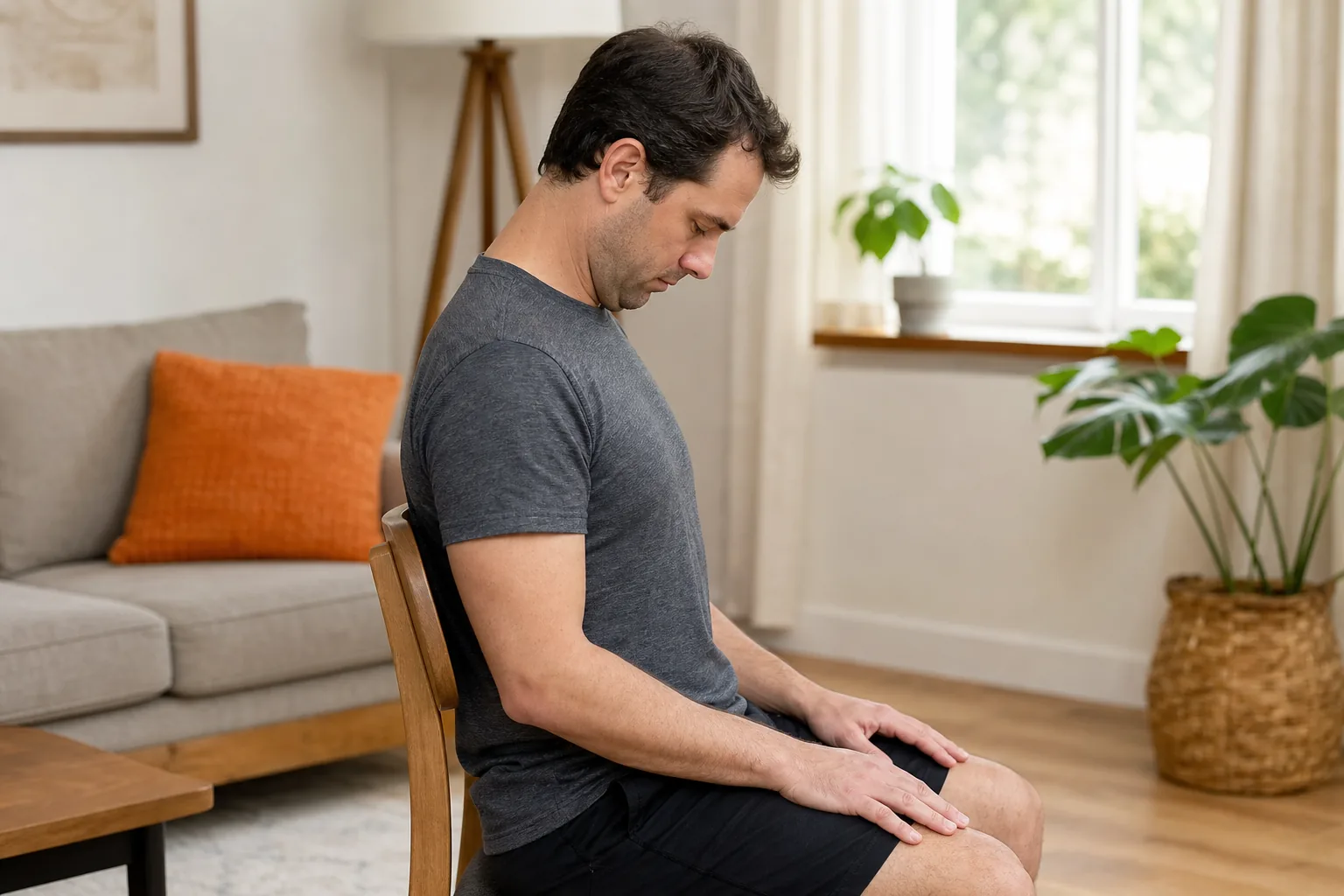
Look towards your left pocket. Let your chin angle down. Place your left hand behind your head and add gentle pressure. You should feel the stretch along the back and side of your neck. Hold for 20 to 30 seconds, then repeat on the other side.
Scalene stretch
Place one hand over your upper chest. Tilt your head away from that hand and look slightly up. Keep the movement small. Hold for 20 seconds, then return to centre. Repeat on the other side.
Chin tuck
Keep your eyes level. Draw your chin straight back, as if making a small double chin. Don’t tip your head down. Hold for three to five seconds, then relax. Start with five to ten repetitions. This move trains the front neck muscles while easing the shortened position at the base of the skull.
You can run this short routine two or three times each day. A towel-assisted rotation may help some people, but it’s easy to pull too hard. Skip it if you feel pain or if you’re unsure about the setup. You may also find this neck resource useful.
Exercise options include motor control work, strengthening and mind-body exercise. These options may be useful, but they don’t replace an assessment of your particular neck problem. More information is available in this exercise resource .
Step 3: Add Posture, Breathing and Simple Self-Care
Stretching works better when you stop feeding the same stiff position. Set your screen near eye level. Keep your elbows supported if possible. Let your feet rest on the floor, and change position before your neck starts to complain.
Try a movement break every time you finish a task rather than waiting until the end of the day. Stand up, look across the room and take a few easy shoulder rolls. The goal is regular change, not one perfect sitting pose.
Breathing can help you stop bracing. Breathe in through your nose for a slow count, then let the breath out longer. As you exhale, allow your shoulders to drop. Repeat for one or two minutes. If stress is part of your pattern, support for the emotional strain that can keep muscles tense may help. General stress support information may be useful alongside physical care.
Heat may feel soothing when muscles feel guarded. Use a warm pack for a short period and protect your skin. Ice may suit a recent flare or sharp pain, but wrap the pack in cloth. Stop if your skin becomes painful or numb.
Gentle finger massage around the shoulder muscles can help some people. Don’t press hard into the front or side of the neck. Avoid digging into areas where you can feel a pulse. If you use medicine, follow the label and ask a pharmacist if you’re unsure about interactions or whether it’s safe for you.
Step 4: Build Support with Gentle Strength and Mobility Exercises
Once your neck moves more freely, add light strength work. The aim is to help the muscles share the load, not to force a tired neck through hard exercise.
Isometric side press
Place your right hand against the left side of your head. Try to turn or tilt your head left while your hand gently resists. Your head should barely move. Hold for five seconds, then relax. Repeat five times each way.
Use low to medium effort. If one side feels much weaker, don’t keep adding force. That difference is a reason to get guidance, especially if it comes with arm symptoms.
Controlled rotation
Sit upright and slowly turn your head towards the left. Stop before pain. Return to centre, then repeat on the right. Start with five repetitions per side. Keep your shoulders still.
Upper back movement
Place your hands across your chest. Turn your head slightly left while your upper back rotates right. Return to centre and change sides. Keep this easy. A stiff upper back can make the neck work harder, but this drill should never cause a pinch.
Strengthening, aerobic work and craniocervical flexion training are exercise options for neck pain. Manual options such as cervical mobilisation and thoracic spine techniques may also be used, depending on the person being treated.
Pro Tip:Test your neck after each exercise by turning left and right. If movement is worse, stop that exercise rather than adding more repetitions.
Step 5: Get Chiropractic Advice Before Progressing Persistent Tightness
Home care is reasonable for mild, recent tightness that is improving. Persistent symptoms deserve a closer look. Book an assessment if the problem keeps returning, affects sleep or work, or hasn’t started to settle with gentle care.
Seek prompt medical assessment for new weakness, loss of balance, numbness that spreads into the arm, loss of bowel or bladder control, fever, unexplained weight loss or severe pain after trauma. A sudden severe headache with neck pain also needs urgent medical attention.
At Unleashed Health Chiropractic, we assess your movement and symptoms before discussing care. We may use hands-on techniques within the clinical picture, then tailor rehabilitation advice to your goals. A chiropractic adjustment is a hands-on technique intended to influence joint movement. It isn’t suitable for every person or every cause of neck pain.
We understand that people want a clear answer before they progress exercises. That’s why we take the time to explain what we find, what you can do at home and when the plan should change. Our care is natural and non-surgical, but a referral to another health professional may be the right choice when your symptoms sit outside chiropractic care.
If you also have headaches linked with neck tension, discuss whether neck exercises for headaches are appropriate for you. Don’t use exercises to delay medical care when neurological symptoms are present.
Frequently Asked Questions
How do you loosen tight neck muscles quickly?
Gentle movement is usually the safest first step for mild tightness. Try slow neck turns, an upper trapezius stretch and a chin tuck without forcing the range. Heat may feel soothing. Stop if symptoms spread into your arm, or if you develop dizziness, weakness or sharp pain. Persistent tightness needs an assessment.
How often should I stretch my neck?
For a mild, uncomplicated problem, try a short routine two or three times daily. Hold comfortable stretches for about 20 to 30 seconds, while chin tucks can begin with shorter holds. More is not always better. If the neck feels worse after stretching, reduce the effort or seek advice before continuing.
What causes tight neck muscles?
Tight neck muscles often relate to long screen use, poor head and shoulder posture, stress or an awkward sleep position. A recent injury can also cause stiffness. The cause matters because a simple posture problem needs different care from nerve irritation or an injury that affects the joints.
Should I use heat or ice for a tight neck?
Heat may help muscles feel less guarded, while wrapped ice may ease sharp pain or a recent flare. Use either with care and protect your skin. Avoid placing ice directly on the skin. If you’re unsure which option suits your symptoms, ask a pharmacist or health professional.
When should I see a chiropractor for neck tightness?
Consider an assessment when tightness keeps returning, limits your daily life or fails to improve with gentle home care. Unleashed Health Chiropractic can review your symptoms and movement before discussing options. Seek urgent medical care instead for severe trauma, new weakness, spreading numbness or other neurological symptoms.
Start with gentle movement, regular posture breaks and a calm breathing pace. If your neck remains tight or keeps coming back, arrange an assessment with Unleashed Health Chiropractic in Ascot Vale so we can help you choose the next safe step.


Comments