


How to Fix Text Neck: Simple Steps
Text neck usually builds through small habits repeated all day. Your phone sits low, your head moves forward, and your neck muscles work without a break. If you want to know how to fix text neck, start with your setup, then add gentle movement and strength work. We’ll also explain when an assessment at Unleashed Health Chiropractic in Ascot Vale may be the safer next step.
Table of Contents
Step 1: Identify Your Text Neck Triggers and Adjust Your Setup
The first step in fixing text neck is to find the positions that keep your head tipped forward. Watch yourself for one day. Notice what happens while you scroll, read in bed, work on a laptop, or look down during a commute.
Write down when the ache starts. Note the task, your position, and whether the pain spreads into your shoulders or head. This simple record can show a pattern that is easy to miss.
Now change the setup that causes the most strain:
Raise your phone closer to eye level instead of holding it near your lap.
Lift your monitor so the top edge sits near eye level.
Use a laptop stand with a separate keyboard if you work for long periods.
Keep your screen close enough that you don’t lean towards it.
Place both feet on the floor and let your shoulders rest.
A laptop on your lap often makes your neck bend further forward. A higher screen can help, but don’t force your head against a wall or pull your shoulders back hard. Aim for a relaxed, neutral position.
Set a quiet reminder every 20 to 30 minutes. When it sounds, look up, let your arms drop, and take a short walk. The goal isn’t to hold one perfect posture all day. Your neck needs regular changes in position.
The simple steps for relieving a stiff neck can help you build these breaks into work and sleep routines. If your pain keeps returning despite these changes, record that too. It gives a practitioner useful information.
Research on forward head posture links prolonged poor positioning with changes in the way the neck and upper back move. You can read the clinical discussion, which also explains why neck pain needs a careful history when symptoms don’t fit a simple muscle strain.
Key Takeaway:Raise the screen first. Then break up long periods of looking down.
Step 2: Get Chiropractic to Release Your Tight Neck First
Gentle release work can reduce the feeling of tightness while you build better movement. It may help the upper trapezius, levator scapulae, sternocleidomastoid, and small muscles beneath the base of the skull.
Start with warmth if it feels comfortable. A warm shower or covered heat pack may help the muscles relax before movement. Keep the heat mild. Stop if your skin feels sore or overly hot.
For self-release, use your fingertips on the fleshy muscle beside the neck. Don’t press on the front of your throat, the bony spine, or the area where you feel a pulse. Use light pressure for about 30 seconds. The sensation should ease or stay mild, not become sharp.
You can also place a soft ball between your upper back and a wall. Lean in gently. Hold a tender spot for 30 to 60 seconds, then move away. Don’t roll quickly over the neck. The upper back is a safer place to begin.
Try a side stretch next. Sit tall and let one ear move towards the same shoulder. Keep the shoulder down. Hold a mild stretch, then return to the middle. Repeat on the other side. Don’t pull hard with your hand.
A neck exercise and advice sheet also recommends smooth neck movement and warns readers to seek advice if an exercise causes pain. That is a useful rule at home: mild tension may be acceptable, but sharp pain is not a target.
Use a small dose at first. One gentle set is enough to test your response.
Skip self-release and arrange prompt care if you have shooting arm pain, numbness, tingling, dizziness, vision change, or recent trauma. These symptoms need more than a massage ball.

Pro Tip:Keep your pressure light enough that you can breathe normally. If you need to brace or hold your breath, ease off.
Step 3: Build Deep Neck Strength with Chin Tucks
Chin tucks help you practise drawing the head back over the shoulders. They are one of the simplest gentle neck exercises to use when learning how to fix text neck, but form matters more than force.
Sit or stand with your eyes level. Imagine a string lifting the crown of your head. Without looking up or down, slide your chin straight back. A small double-chin feeling is normal. Hold for five seconds, then relax.
Start with five to ten slow repetitions. Spread them across the day if one long session makes your neck tired. You should feel gentle work at the front of the neck. The large muscles at the sides should stay fairly relaxed.
Do not jam your head into a wall. Do not push your chin towards your chest. Those actions change the exercise into a neck bend. Think “long neck” rather than “hard squeeze”.
Once the seated version feels easy, try it lying on your back. Keep the back of your head supported. Make the same small slide, then release. This position reduces the need to balance your head while you learn control.
Some exercise plans add a small head lift after the chin tuck. We suggest leaving that progression until you can perform the basic move without pain, shaking, or jaw clenching. A practitioner can check whether a harder version suits your neck.
Our review of available remedies found that strengthening was the most common action, but direct cervical spine work appeared far less often. That mismatch matters. Upper-back training has value, yet your routine should include gentle neck control when forward head posture is the main concern.
Use the quick cue during screen breaks: chin back, shoulders soft, eyes level. Hold it for one breath, then return to a comfortable position. This is a reset, not a posture you must hold rigidly.
If the exercise causes arm symptoms, dizziness, a strong headache, or sharp neck pain, stop. It’s better to reduce the range and seek advice than to push through.
Step 4: Strengthen Your Upper Back and Practise Whole-Body Alignment
Text neck is easier to manage when your upper back can support your head. The mid-back, shoulder blades, chest, and pelvis all affect how much work your neck must do.
Begin with a basic shoulder-blade squeeze. Sit or stand tall. Let your arms rest by your sides. Move the shoulder blades gently back and down, as if they are sliding into your back pockets. Hold for a few seconds, then let go.
Keep the movement small. Don’t lift your chest sharply or pinch the shoulder blades as hard as possible. The upper trapezius should not take over.
If you have a resistance band, a light row can add strength. Anchor the band safely. Pull the elbows back while keeping the neck relaxed. Return slowly. Stop well before your shoulders creep towards your ears.
Thoracic movement matters too. Sit near the front of a chair with your feet supported. Place your hands across your chest. Gently extend your upper back over the chair back while keeping the movement in the mid-back, not the lower neck. Return to upright.
Try five to eight controlled repetitions. If extension feels pinchy, reduce the range. You can also use a wall to practise alignment. Stand with your back near the wall and let your head, upper back, and pelvis find a comfortable position. Don’t force every part into contact.
At a desk, check the whole chain:
Your screen should be high enough that your eyes face forward.
Your elbows should stay near your sides.
Your feet should feel supported.
Your phone should come towards you, not the other way around.
The aim is shared work across the body. A strong upper back won’t fix a screen that stays in your lap for hours. Likewise, a high screen won’t replace movement and strength.
For another short routine, to relieving neck and shoulder pain . It includes desk changes and gentle exercise ideas that may fit around your normal day.
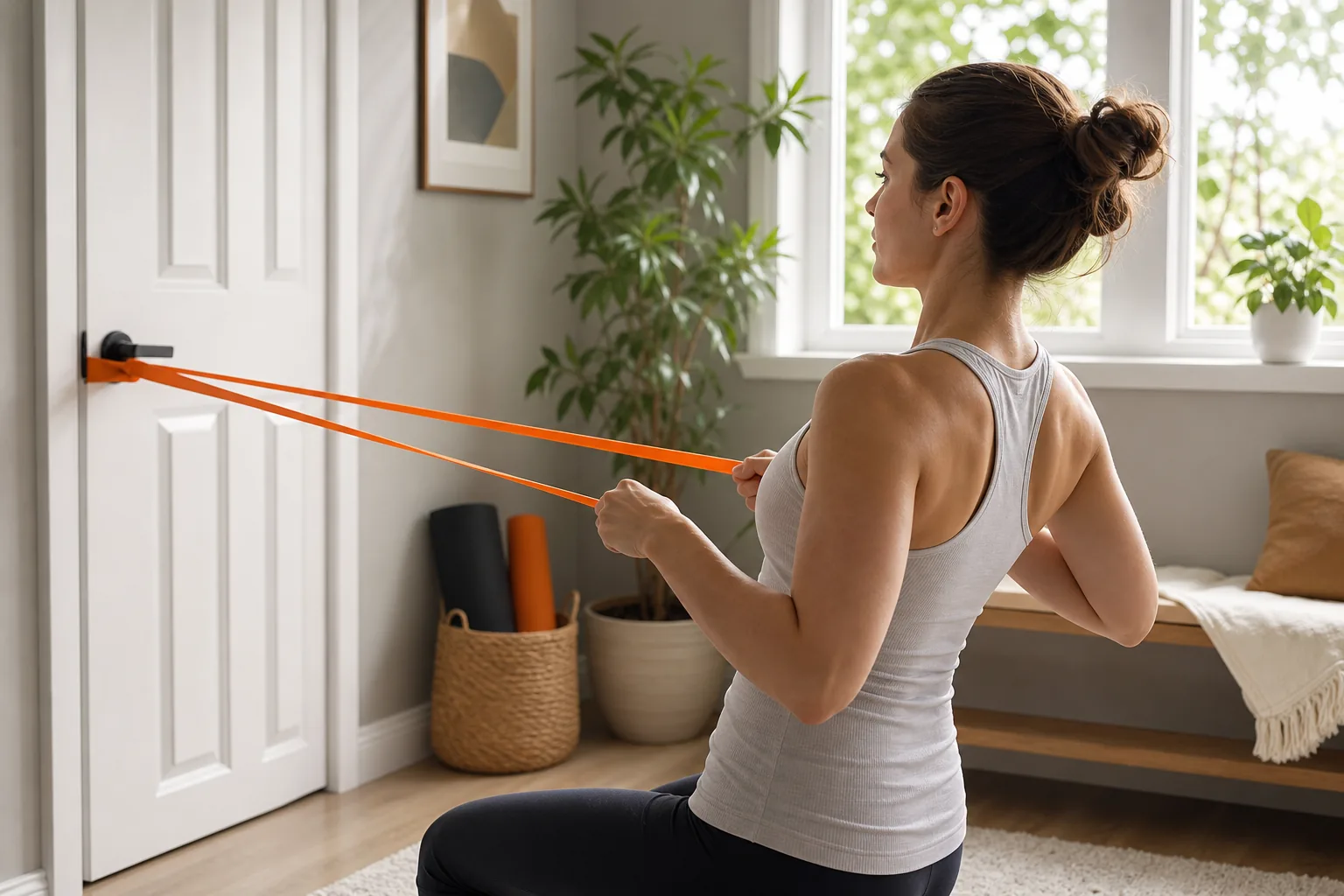
Progress slowly. If your neck feels worse later that day or the next morning, reduce the range, repetitions, or frequency. Good exercise should leave you feeling more capable, not trapped in a flare.
Step 5: Know When to Arrange an Assessment in Ascot Vale
Home care may suit mild, recent discomfort that settles when you change position. Arrange an assessment if neck pain keeps returning, limits your work, affects sleep, or comes with frequent tension headaches.
At Unleashed Health Chiropractic, we take the time to listen to how your symptoms affect daily life. We then examine your movement and posture before discussing care. A chiropractic adjustment is a hands-on technique intended to improve joint movement. It isn’t right for every person or every symptom.
We tailor advice to your routine. That may include changes to screen use, sleep posture, work position, or a home rehabilitation plan. The goal is to help you understand what may be driving the problem and what you can safely do next.
Seek urgent medical care after major trauma, or if you develop sudden weakness, trouble walking, loss of bladder or bowel control, fever with a stiff neck, or a sudden severe headache. Shooting pain with numbness or weakness in an arm also needs prompt assessment.
Neurological symptoms can point to nerve root or spinal cord involvement. Those signs should not be treated as ordinary muscle tightness.
Our review found that only 20 of 60 collected remedies included clear information about when not to exercise. That gap is worth taking seriously. A routine is useful only when it matches your symptoms and health history.
If you live in Ascot Vale or a nearby Melbourne suburb, Unleashed Health Chiropractic can help you decide whether a chiropractic assessment is suitable. We understand that everyone’s presentation is different, so we don’t rely on one fixed routine for every neck complaint.
Key Takeaway:Use home exercises for mild symptoms only when they feel safe. Get assessed when symptoms persist, spread, or affect strength and function.
FAQ: How to Fix Text Neck
How long does it take to fix text neck?
Mild text neck symptoms may settle over days or weeks when you change the trigger and move more often. Progress varies with sleep, work demands, strength, and the cause of your pain. Track how you feel after screen use. If symptoms keep returning or worsen, arrange an assessment rather than adding more exercises.
Can chin tucks fix text neck?
Chin tucks can help improve neck control, but they may not fix the whole problem alone. Your screen height, upper-back movement, chest tightness, and daily habits also matter. Use a small, smooth motion. Stop if you feel sharp pain, dizziness, arm symptoms, or a new headache.
Should I stretch a tight neck?
Gentle stretching may ease a tight neck when the movement feels mild and controlled. Avoid forcing the stretch or bouncing at the end range. Don’t stretch through numbness, tingling, dizziness, or shooting pain. If the same tight spot returns often, a clinician can check whether another issue is driving it.
Can a chiropractor help with text neck?
A chiropractor may help assess neck movement and provide care that suits your symptoms. At Unleashed Health Chiropractic, we combine assessment with advice about posture and rehabilitation when appropriate. Chiropractic care isn’t suitable for every condition, so a proper history and examination should come first.
When should I see a doctor for neck pain?
See a doctor urgently for sudden severe pain, major trauma, fever with neck stiffness, sudden weakness, trouble walking, or loss of bladder or bowel control. Arm numbness or weakness also needs prompt review. These symptoms can point to neurological or other medical problems rather than simple text-neck strain.
Start with the change you can repeat: raise your screen and break up long periods of looking down. Then add gentle chin tucks and upper-back work if they feel comfortable. If your symptoms persist, Unleashed Health Chiropractic can assess your neck in Ascot Vale and help you choose a safe next step. We look forward to helping.


Comments