


How to Relieve Stiff Neck: Simple Steps
Updated: Aug 25
That tight, achy feeling in your neck can ruin a whole day. Below is a step‑by‑step plan you can start right now to loosen the muscles, improve posture, and get back to feeling normal.
Table of Contents
Step 1: Check Your Symptoms Before Trying Relief Techniques
First, make sure the stiffness isn’t a warning sign of something serious. Most neck tightness is harmless, but red‑flag symptoms like fever, severe headache, or numbness mean you need urgent care.
According to the Cleveland Clinic, a stiff neck that doesn’t improve after a few days or is paired with fever could indicate meningitis, which requires immediate medical attention.
If you notice any of those warning signs, head to the nearest emergency department right away. Otherwise, you can move on to at‑home care.
For a local perspective on when neck pain needs a professional eye, check our page on Wry neck (torticollis) in Ascot Vale and Moonee Ponds . We explain how we spot serious cases during a first visit.
When the symptoms are mild, keep a symptom diary. Note when the stiffness starts, what you were doing, and how long it lasts. By the end of a week you’ll see patterns that point to posture, sleep, or activity triggers.
Only after you’ve ruled out red‑flags should you try the self‑care steps below.
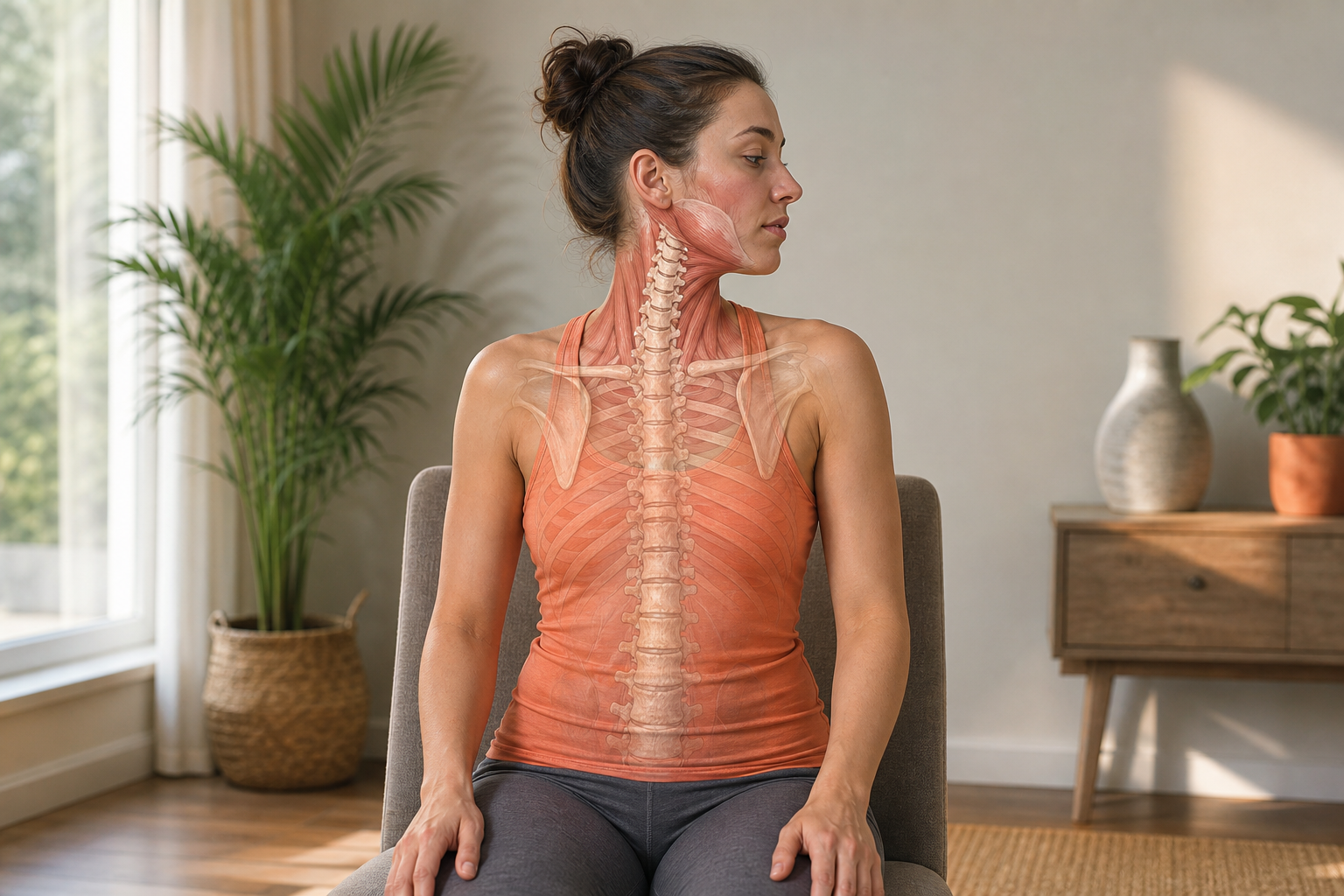
And remember, if the pain lingers more than a week despite these measures, a qualified chiropractor can assess you for underlying joint or nerve issues.
If neck stiffness occurs with fever or headache, seek urgent medical care. Learn more about meningitis .
Step 2: Change Position and Set Up Your Workstation
Most desk workers sit for hours with their heads jutting forward. That forward‑head posture adds roughly 10 lb of load for every inch the head moves ahead of the spine.
Changing position about every 20 minutes helps prevent neck stiffness caused by staying in one posture. Set a timer and stand, stretch, or simply sit upright when it rings.
Adjust your monitor so the top edge sits at eye level and the screen is an arm’s length away. This keeps the chin tucked naturally and reduces strain on the sub‑occipital muscles.
Place your keyboard close enough that your elbows stay near a 90‑degree angle. A mouse right next to the keyboard prevents over‑reaching, which pulls the shoulders forward.
Use a headset for calls. Cradling the phone between ear and shoulder forces the neck into lateral flexion and can quickly cause tightness.
Every 20 minutes, look at something 20 feet away for 20 seconds and reset your posture. This “20‑20‑20” rule helps both eyes and neck.
Key Takeaway:Small, frequent posture tweaks beat long, static sitting when it comes to neck health.
Step 3: Use Gentle Neck and Shoulder Movements
Now that your workstation is friendly, add easy movements to keep the muscles fluid.
Start with a simple neck rotation: turn your head slowly to the right until you feel a gentle stretch, hold for a couple of seconds, then repeat to the left. Do this five times each side.
Follow with a shoulder roll. Lift both shoulders toward the ears, roll them back, then drop them down. Repeat ten times. This loosens the trapezius muscles that often carry the load from poor posture.
Next, perform a chin‑tuck. Sit tall, pull your chin back as if making a double chin, hold for five seconds, then release. Aim for ten reps throughout the day. This activates deep cervical flexors and supports a neutral spine.
These moves are safe for most people, but stop if you feel sharp pain. If you have any doubts, a quick check‑in with a chiropractor can confirm you’re doing them correctly.
WebMD lists these exact stretches as effective for instant relief and long‑term flexibility. WebMD also notes that regular practice can prevent future episodes.
Step 4: Try Comfortable Heat or Gentle Soft‑Tissue Relief
Heat relaxes tight muscles by increasing blood flow. A moist heating pad applied for 15‑20 minutes, two to three times a day, often eases stiffness without burning the skin.
Start with the lowest comfortable setting. Place a thin cloth between the pad and your neck to protect the skin. If the heat feels too intense, lower the temperature or shorten the session.
When heat isn’t enough, gentle soft‑tissue work can help. A light massage on the upper traps and shoulder blades releases knots that pull on the neck.
Many people find a handheld massage gun useful for that purpose. Use a small‑head attachment, keep pressure light, and limit each spot to 20 seconds. Avoid the front of the neck and any bony areas.
Our clinic often combines heat with soft‑tissue techniques during a session. For a deeper look at the methods we use, read about our Chiropractic Techniques page.
Pro Tip:Follow heat therapy with a brief stretch, the muscles stay looser when you move them while warm.
Step 5: Improve Your Sleeping Position and Pillow Support
Nighttime is when the neck repairs itself. Sleeping in a bad posture can undo all the good work you’ve done during the day.
Back sleepers should use a rounded pillow that supports the natural curve of the neck while keeping the head level. Side sleepers need a firmer, higher pillow that fills the space between the shoulder and head.
Stomach sleeping forces the neck into rotation and should be avoided if possible. If you can’t change the habit, try a very thin pillow or no pillow at all.
Poor sleep quality can contribute to neck discomfort. A supportive pillow may help keep the spine and neck aligned during rest. General information about sleep and neck pain may provide additional context.
Choose a pillow based on your sleeping position so your head stays supported and your spine and neck remain aligned during rest.
If you’ve tried these adjustments and still wake up with tightness, a visit to a chiropractor can pinpoint hidden joint restrictions and provide a targeted adjustment.
FAQ
Can I relieve a stiff neck at home?
Yes, most mild neck stiffness can be eased with posture changes, gentle stretches, heat, and proper sleep support. If symptoms improve within a few days, home care is enough; otherwise, professional help may be needed.
When should I see a doctor for a stiff neck?
You should see a doctor if you have fever, severe headache, numbness, or weakness, or if the stiffness lasts more than a week despite self‑care. Those signs can point to meningitis or nerve involvement.
How often should I change my sitting position?
Changing position every 20 minutes is recommended; it reduces muscle fatigue and prevents the load buildup that leads to stiffness.
Is a heating pad safe for neck pain?
Yes, as long as you use a low setting, limit each session to 15‑20 minutes, and place a cloth barrier between the pad and skin to avoid burns.
What pillow is best for neck pain?
A pillow that keeps the head and neck aligned with the spine, rounded for back sleepers, firmer and higher for side sleepers, works best. Choose one that supports your sleeping position and keeps your spine aligned during rest.
How do I know if my neck stiffness is caused by posture?
If the pain worsens after long periods of sitting or looking down at screens, posture is likely the culprit. Tracking when the stiffness spikes can help you spot the link.
We hope these steps get you moving again soon. If you need a personalized plan, schedule a visit with Unleashed Health Chiropractic . Our team will assess your neck, apply gentle adjustments, and give you a home‑care program that fits your life.


Comments