


How to Relieve Hip Pain: Simple Steps
Hip pain can come from the joint, muscles, tendons, nerves or nearby areas. The safest way to find relief is to calm the irritation first, then add gentle movement and strength. If pain keeps returning, Unleashed Health Chiropractic in Ascot Vale can help you work out what may be driving it and plan the next step.
Table of Contents
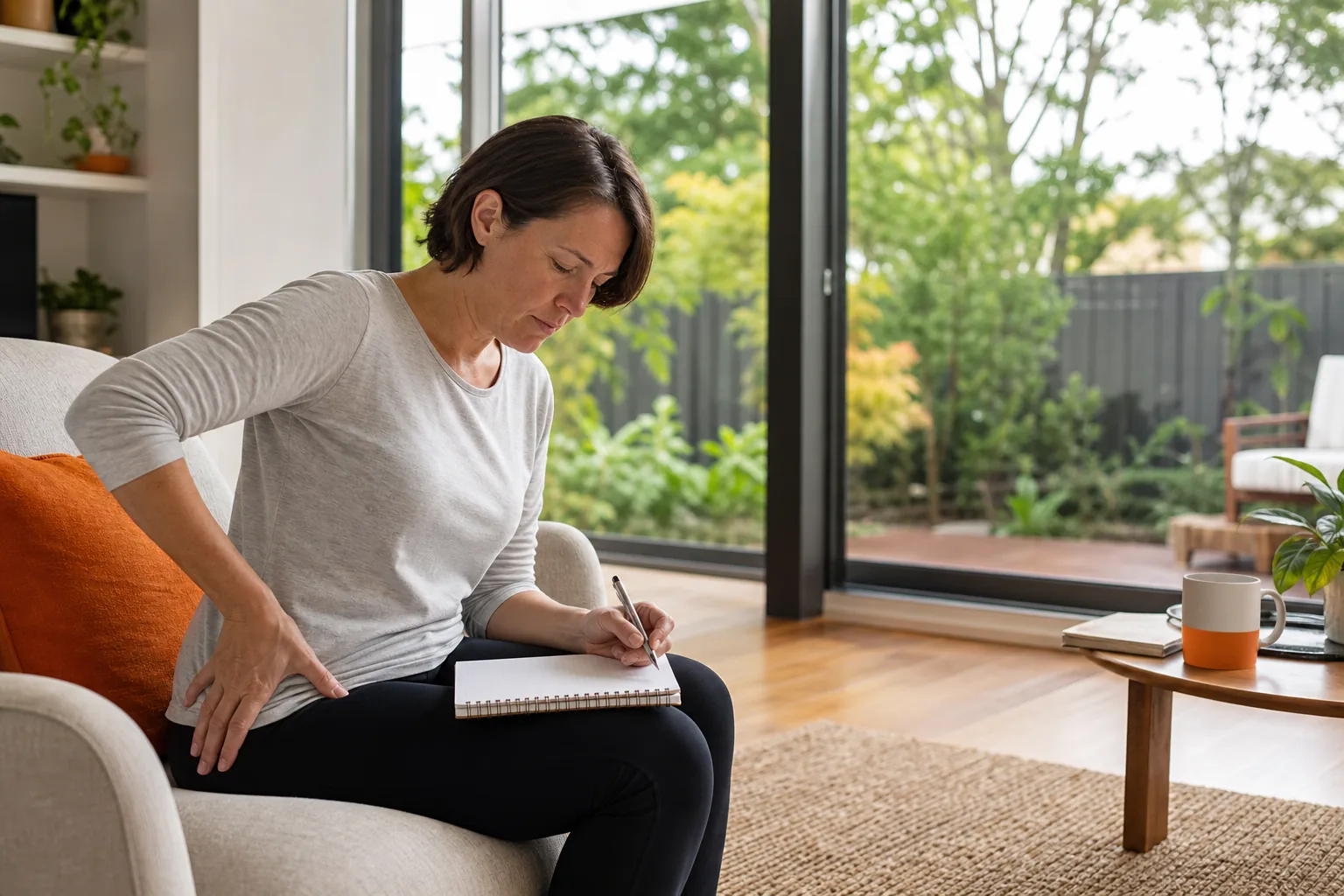
Step 1: Check Your Symptoms and Modify Painful Activities
To learn how to relieve hip pain, start by checking what the pain feels like and where it sits. Pain in the groin may point towards the hip joint. Pain on the outer hip may involve nearby muscles, tendons or a bursa. Buttock pain can also come from the lower back or the deep muscles around the hip.
The hip is a ball-and-socket joint. It helps support your body while you stand, walk and run, so even a small change in movement can affect daily tasks.
For the next two or three days, note what raises your pain. Common triggers include:
Long periods of sitting, especially on a hard chair.
Stairs, hills or sudden changes in training.
Lying on the sore side.
Deep squats, twisting or getting out of a low chair.
Lifting while turning your body.
Don’t stop all movement unless a health professional tells you to. Instead, reduce the task that causes the sharpest pain. Take shorter walks. Break up sitting with brief trips around the room. Keep loads close to your body and avoid twisting while carrying them.
Sharp, electric pain that travels down the leg needs more care than a mild ache that settles with movement. Stop stretching if you notice new weakness, worsening tingling or numbness. Our guide on how to do a piriformis stretch safely explains why these signs matter before you try a buttock stretch.
By now, you should know which movements raise your symptoms and which positions feel easier.
Step 2: Use Heat, Cold and Comfortable Positions
Heat and cold can help you manage hip pain, but they suit different situations. Use a wrapped cold pack when pain feels fresh or has flared after activity. Use gentle warmth when the area feels stiff or tight.
Place a cold pack over a thin layer of clothing or a towel. Keep checking your skin. Remove it if the skin becomes numb, very pale or painful. Don’t fall asleep with a cold pack or heat pack in place.
A warm shower may help before gentle movement. You can also try a warm pack for a short period while sitting comfortably. If warmth makes the area throb, stop and switch back to a cooler option.
Sleep position can change the load through your hip. If side sleeping feels comfortable, place a pillow between your knees so the top leg doesn’t fall forward. If you sleep on your back, a pillow beneath your knees may reduce tension through the lower back and hips.
Change one thing at a time. Try the new position for two or three nights, then note how you feel when you wake. Our advice on how to relieve lower back pain while sleeping includes simple checks for knee support and pelvic comfort.
Don’t use heat or cold to push through a painful workout. These tools may ease symptoms, but they don’t tell you why the pain began. If pain is severe after a fall, or you can’t put weight through the leg, seek prompt medical care.
Key Takeaway:Use cold when a flare feels fresh, warmth for stiffness, and the position that lets you rest without increasing symptoms.
Step 3: Try Gentle Hip Mobility Stretches
Gentle stretching may help relieve hip pain linked with stiffness or tight muscles. Warm up first with a few minutes of easy walking. The stretch should feel mild. It should never feel sharp, pinching or electric.
Pick two or three movements. Hold each for at least 30 seconds if that feels comfortable. Three useful options are the kneeling hip flexor stretch , the single knee pull and the floor pretzel.
Kneeling hip flexor stretch
Kneel with one foot in front and the front knee bent. Keep the front foot flat. Gently shift your pelvis forward until you feel a stretch at the front of the back hip. Keep your ribs relaxed and don’t arch your lower back.
Single knee pull
Lie on your back. Bend one knee and hold behind the thigh. Draw it towards your chest while the other leg rests comfortably. You should feel the stretch through the buttock or front of the opposite hip, not a sharp pull behind the knee.
Floor pretzel
Lie on your back with both knees bent. Rest one ankle across the opposite thigh, then draw the supporting thigh towards you. Keep the movement slow. If the hip pinches at the front, reduce the range or choose another stretch.
Leg swings can work as a gentle warm-up. Hold a stable bench or wall. Swing one leg like a small pendulum from side to side, then front to back. Keep your trunk still and make the movement smaller if your hip catches.
Stretch three to five times each week if your symptoms settle after each session. Frequency matters more than forcing a long hold. Stop if you feel worse for hours afterwards or if pain spreads further down the leg.
We understand that flexibility differs from person to person. At Unleashed Health Chiropractic, we take the time to assess how your hip, pelvis and lower back work together before suggesting hands-on care or exercises.
Step 4: Build Strength Gradually Without Forcing Pain
Strength work helps your hip manage daily load. It can also support your progress when stretching alone doesn’t last. Start with a small amount and judge your response later that day and the next morning.
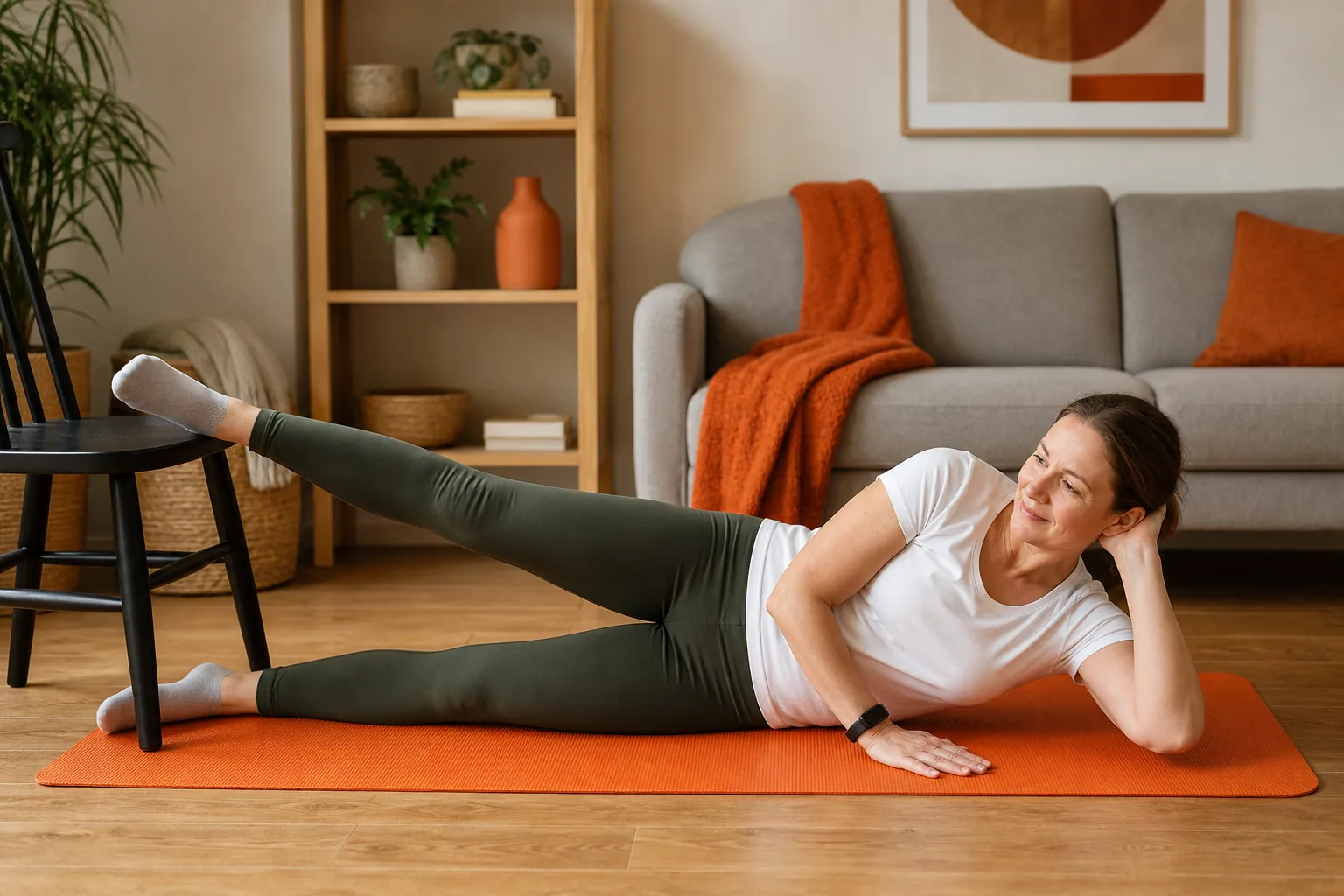
A simple starting routine may include a side-lying leg lift and a supported sit-to-stand. For the leg lift, lie on your side with your hips stacked. Lift the top leg slowly, then lower it with control. Keep your pelvis still.
For a sit-to-stand, use a firm chair. Place your feet under your knees. Lean forward slightly, stand without rushing, then sit down slowly. Use your hands if balance or pain makes this safer.
Another option is a bridge. Lie on your back with your knees bent. Lift your hips a small amount, then lower with control. Reduce the height if your hamstrings cramp or your back takes over.
Research material for hip exercises found a consistent prescription for many strengthening movements: three sets of 10 to 12 repetitions, two to three times per week. That doesn’t mean everyone should start there. Begin with two or three controlled repetitions if you’re sore, then add one or two every few days.
Use this pain check:
Mild muscle effort is usually acceptable.
Sharp or catching pain means reduce the range or stop.
New tingling or weakness needs professional assessment.
Your usual pain should not be worse the next morning.
Increase one factor at a time. Add repetitions first. Later, add range or resistance. If symptoms rise, return to the last level that felt manageable. Return to normal activity gradually and stop if new pain develops.
Pro Tip:Rate your pain before exercise, ten minutes after, and the next morning. This gives you better feedback than judging the movement alone.Step 5: Get a Personalised Plan for Ongoing or Recurrent Hip PainIf hip pain keeps returning, self-care may be treating the symptom without addressing the reason it returns. Book an assessment when pain limits work, sleep, walking or sport, or when you can’t progress past gentle movement.We take a full look at how your hip, lower back and pelvis share load. At Unleashed Health Chiropractic, care may include a movement assessment, chiropractic adjustment where appropriate, soft-tissue work and rehabilitation exercises. We tailor the plan to your symptoms rather than giving every person the same routine.Bring useful detail to an appointment. Write down when the pain began, where you feel it, what makes it worse and what helps. Note any fall, training change or long sitting period before the flare.Seek urgent medical help after a major injury, if the leg looks deformed, or if you can’t bear weight. Prompt assessment is also needed with fever, marked swelling, unexplained weight loss or severe pain at rest. Numbness around the groin or new loss of bladder or bowel control needs emergency care.For people in Ascot Vale, Moonee Ponds, Essendon and nearby Melbourne suburbs, Unleashed Health Chiropractic can be a local option when home care has stalled. We’ll explain what we find and help you decide whether chiropractic care, rehabilitation or another health professional is the right next step.FAQHow can I relieve hip pain quickly at home?You may ease hip pain at home by reducing the activity that causes it, using a wrapped cold pack during a fresh flare, and finding a comfortable resting position. Once symptoms settle, try gentle walking and a mild stretch. Don’t force exercise through sharp pain, numbness or weakness.Is walking good for hip pain?Walking can help some people with hip pain because it keeps the joint moving without high impact. Start with a short, level walk at an easy pace. Stop or shorten the walk if pain becomes sharp, spreads down the leg or remains worse later that day.Should I use ice or heat for hip pain?Ice may suit a fresh flare after activity, while heat may feel better for muscle stiffness. Wrap either pack and protect your skin. If one option increases throbbing or numbness, remove it. Persistent hip pain still needs assessment rather than repeated heat or ice alone.What stretches help hip pain?Gentle hip flexor stretches, knee-to-chest pulls and figure-four movements may help when stiffness contributes to pain. Warm up first and hold a mild stretch for at least 30 seconds if comfortable. Stop if the movement causes pinching, sharp pain or symptoms down the leg.When should I see a chiropractor for hip pain?Consider an assessment when hip pain keeps returning, affects sleep or limits normal tasks despite sensible self-care. Unleashed Health Chiropractic can assess movement around the hip, pelvis and lower back. Seek urgent medical care after major trauma or with severe weakness, fever or loss of bladder control.ConclusionStart with activity changes, then add comfortable mobility and gradual strength work. If your pain keeps coming back or stops you from living normally, book a personalised assessment with Unleashed Health Chiropractic in Ascot Vale. You can also explore our guide on SIJ sprains and pelvic stability if your pain sits near the back of the pelvis.


Comments