


Neck Pain After Sleeping: Causes and What Can Help
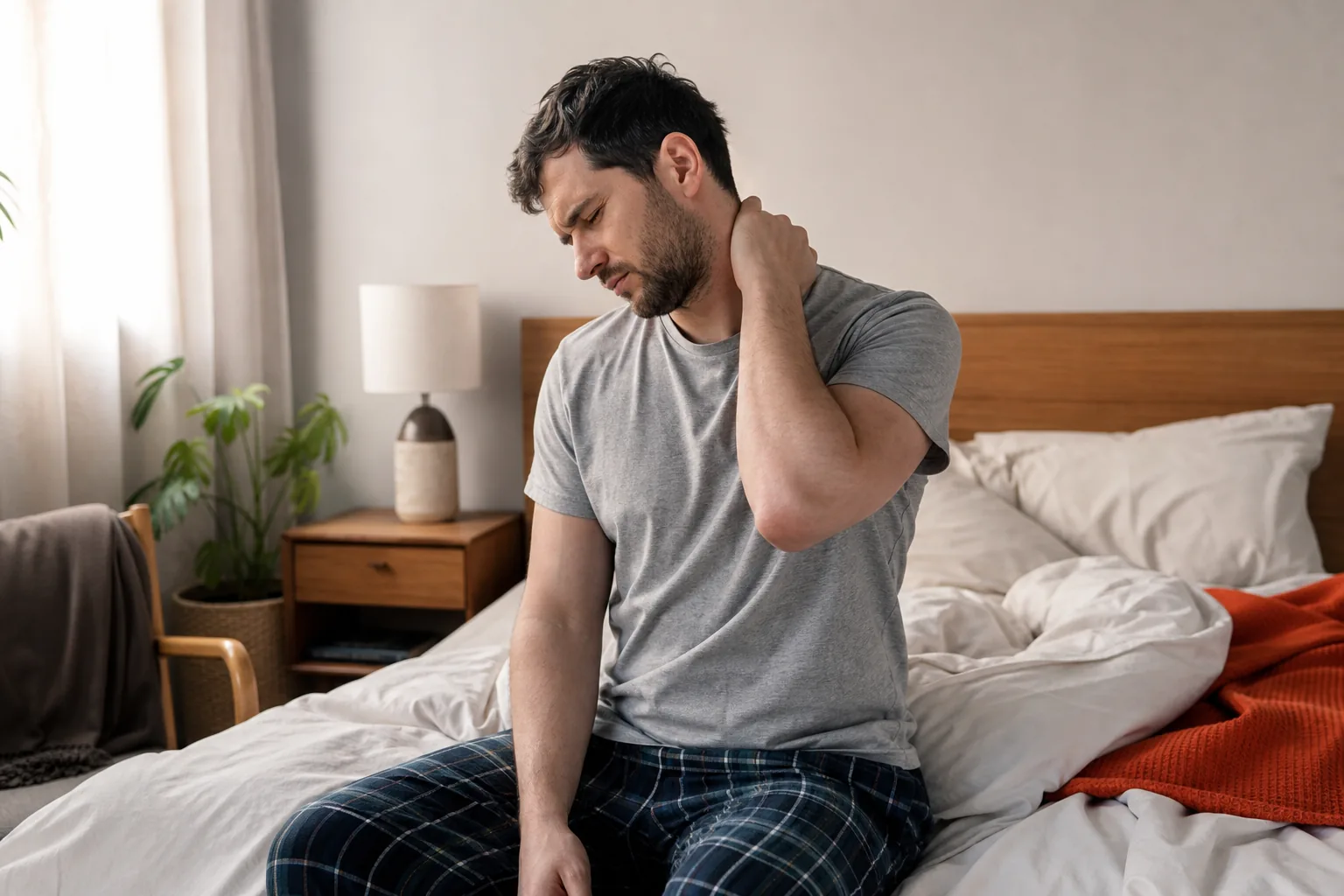
Waking with a stiff, sore neck can make the day feel harder before it’s even begun. Neck pain after sleeping may relate to how your head was supported overnight, but daytime posture and other factors can matter too. A few careful changes may help, and certain symptoms mean it’s time to speak with a health professional.
Table of Contents
Why your neck may hurt after sleeping
Your neck has muscles, joints, nerves and discs that help support and move your head. Holding your neck in one position for a long time can leave it sore or stiff, especially if your head is turned or tilted while you sleep.
Stomach sleeping often means turning your head to one side to breathe. That can keep the neck rotated for hours. A pillow that pushes your head too far forward or lets it drop to one side may also add strain. Muscle strain or tension can contribute to neck pain, while nerve involvement may cause tingling, numbness or weakness in an arm or hand.
Sleep position isn’t the only possible cause. A sudden movement, a long stretch of looking down at a screen, or an earlier neck injury may also be relevant. Sometimes a sore neck that you notice in the morning has been building during the day rather than starting overnight.
If the same pattern keeps returning, jot down when the pain starts and what seems to affect it. That can help you describe the issue during an assessment. We explain more about possible sleep-related causes in our article on neck pain from sleeping .
One useful clue: if you wake with pain after sleeping in an unusual position, but it eases as you move gently, the position may be part of the picture. That alone can’t confirm the cause.
How sleeping position, pillows and your mattress affect neck support
Think of your head and neck as needing to stay in line with your upper back. A useful pillow supports that position without pushing your chin towards your chest or letting your head fall sideways. For sleeping position guidance , aim to keep your head at the same height as the rest of your body.
Side sleepers may need more pillow height than back sleepers because the shoulder creates more space between the head and mattress. A pillow that is too low can let the head dip; one that is too high can tilt it up. On your back, aim for support under the neck without forcing the head forward.
Some people try a contoured or adjustable pillow to change the height or shape of support. Memory foam or other materials may feel different from a traditional pillow, but the label alone doesn’t tell you whether it suits your body. Check how your head sits when you lie in your usual position, then notice whether the pillow keeps its shape overnight.
If you’re comparing pillow height, firmness or fill, our guide to choosing a pillow for neck pain covers those factors. A pillow can’t correct every source of pain, so avoid treating a new purchase as a diagnosis or a guaranteed fix.
Your mattress matters as part of the setup, too. It should let you rest comfortably without your body sinking or twisting in a way that strains your neck. There isn’t one firmness that suits everyone. Use comfort and your own symptoms as part of the decision.
Try one change at a time. If you change the pillow, sleep position and mattress all at once, it’s harder to tell which change affected how you feel in the morning.
Key takeaway:Aim for a comfortable, neutral head position. Pillow height and sleep position matter more than choosing a material based on its name.
What may help ease morning neck stiffness
Start gently. Move your head only through a range that feels comfortable, and stop if a movement sharply increases pain or brings new tingling, numbness or weakness. Slow turns from side to side can be enough to check how freely your neck moves.
Heat or cold may ease discomfort for some people. A warm shower or a wrapped warm pack can feel soothing before gentle movement. A wrapped cold pack is another option if that feels better. Don’t place ice or a very hot pack directly on your skin, and stop if your skin becomes painful or irritated.
Gentle neck movement may be another self-care option. If movement feels unsafe or your pain is getting worse, seek advice rather than trying to push through.
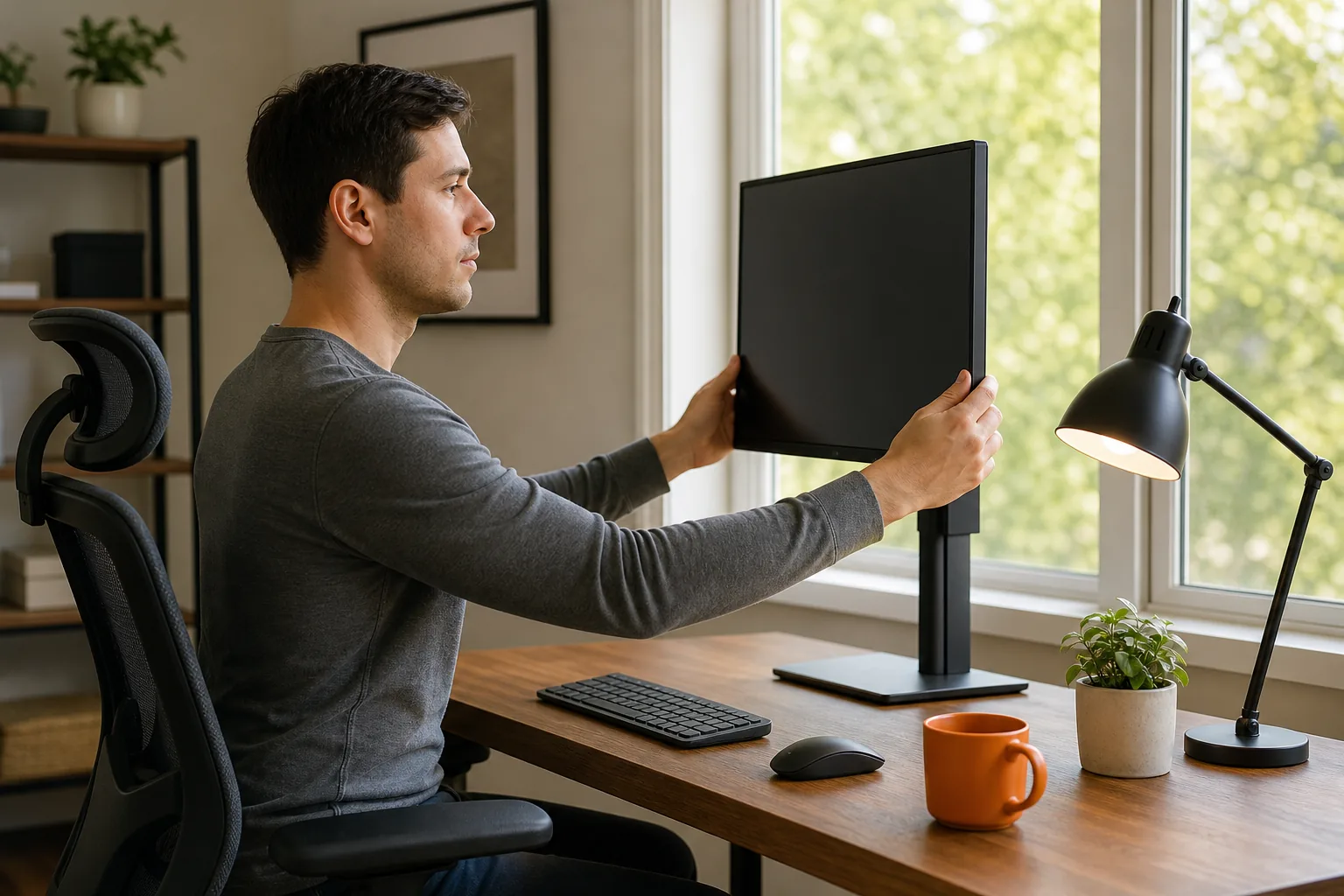
Give your neck breaks during the day as well. If you work at a desk, set the desk height so the monitor is at eye level, and adjust your equipment to keep your neck in a neutral position. Change position often instead of holding your head down for long stretches.
At home, you might try a short, easy walk or a few gentle shoulder movements after getting up. Keep the movement comfortable. There’s no need to force a stretch or repeat one that makes symptoms worse. If you want ideas for changing your sleep setup, these tips for sleeping with neck pain cover position and pillow support.
At Unleashed Health Chiropractic in Ascot Vale, an initial appointment includes a medical history and physical, neurological, orthopaedic and chiropractic examination. We take the time to understand how the symptoms affect you. A plan is tailored after the chiropractor has established a diagnosis, and spinal X-rays are covered by Medicare if clinically indicated.
Preventing recurring neck pain and knowing when to seek help
Small habits can reduce the time your neck spends in one position. When using a phone, lift it closer to eye level when you can. At a desk, set the screen so you don’t need to look down for long periods. Take brief movement breaks during tasks that keep your head still.
At night, try a position that lets your head rest in line with your body. If you sleep on your side or back, check that your pillow fills the space without tipping your head. If you usually sleep on your stomach, gradually testing a different position may reduce the time your neck stays turned.
A simple note can help you spot a pattern: record which position you slept in, how your neck felt on waking, and whether the discomfort changed during the day. Keep it brief. The goal is to give your GP or practitioner useful context, not to monitor every movement.
Get prompt medical advice if neck pain comes with a fever, a severe headache, or new numbness, tingling or weakness. Seek urgent care for severe or sudden symptoms, or after a significant accident or fall. For further reading, see this resource ; it does not replace an individual assessment or medical advice.
See your GP if pain is severe, keeps returning, affects daily activities or does not improve. A clinician can assess whether the issue needs further medical review. Chiropractic care is one option to discuss where appropriate, but suitability depends on your symptoms and assessment.
We understand that morning neck stiffness can have more than one contributing factor. At Unleashed Health Chiropractic, we assess your history and movement before discussing care options. If you’re in Ascot Vale or nearby Melbourne suburbs and the problem persists, an assessment can help you decide what next step may suit you.
Frequently asked questions
Why does my neck hurt when I wake up?
Your neck may feel sore in the morning after being held in one position for a long time. A turned head, poor pillow height or strain from daytime activities may contribute. Morning pain can have other causes too, so recurring or severe symptoms deserve an assessment rather than guesswork.
Should I sleep on my back or side with neck pain?
Either may be comfortable if your head stays aligned with your body. On your side, check that the pillow fills the gap between your shoulder and head. On your back, aim for support without pushing your head forward. If a position worsens your pain, try another comfortable option.
Is heat or ice better for a stiff neck?
There isn’t one option that suits everyone. A wrapped warm pack or warm shower may feel soothing, while some people prefer a wrapped cold pack. Keep either away from direct skin contact, and stop if it causes irritation. Ask a GP or pharmacist for advice if you’re unsure what’s suitable.
When should I see a doctor for neck pain?
See a GP if the pain is severe, keeps coming back, affects your daily life or does not improve. Seek prompt medical advice if you have fever, a severe headache, or new arm or hand weakness, numbness or tingling. Severe or sudden symptoms, especially after a significant injury, need urgent care.
Conclusion
Try a comfortable sleep position, check that your pillow keeps your head level, and use gentle movement rather than forcing a stretch. If pain persists or comes with concerning symptoms, contact your GP; if you’re near Ascot Vale, an assessment at Unleashed Health Chiropractic can help you discuss whether chiropractic care may suit your situation.


Comments