


Pinched Nerve in Lower Back: Symptoms and Relief
A pinched nerve in the lower back can feel like a dull ache, sharp pain, or an electric shock down one leg. Most cases can start with calm movement and conservative care, but some signs need urgent medical help. We’ll explain what nerve irritation feels like, what may cause it, what you can try at home, and when to see Unleashed Health Chiropractic in Ascot Vale.
Table of Contents
What Is a Pinched Nerve in the Lower Back?
A pinched nerve in the lower back happens when pressure, swelling, or irritation affects a nerve near the lumbar spine. Clinicians may call this lumbar radiculopathy. The nerve may be compressed, stretched, or inflamed, which can change the signals travelling between your back, leg, and brain.
The sciatic nerve is often involved. It runs from the lower back through the buttock and down the leg. Pain along this path is called sciatica. It may feel deep in the buttock before travelling down the back or side of the leg.
A nerve problem can feel different from a simple muscle strain. You may notice burning pain, pins and needles, numbness, or weakness. Symptoms often affect one side, although this isn’t true for every person. Coughing, sneezing, bending, twisting, or taking a deep breath may make symptoms worse.
A disc can press on a nerve when its outer layer tears or bulges. The disc doesn’t need to be badly damaged for symptoms to start. Swelling around the area can also reduce space near the nerve root.
Other back structures can cause pain that feels similar. These include the small facet joints, sacroiliac joints, muscles, and ligaments. That’s why a proper assessment matters. Pain alone can’t tell you which structure is involved.

We take the time to ask how your symptoms began and how they affect walking, sitting, sleep, work, and sport. You can also read about lumbar disc injuries in Ascot Vale and Moonee Ponds if disc pain is part of your concern.
The good news is that many cases improve without surgery. Two peer-reviewed reviews discuss a period of conservative care before surgery is considered for lumbar radiculopathy, often around four to eight weeks when there are no urgent warning signs. The right plan still depends on your symptoms, strength, health history, and response to care.
Symptoms: How Lower-Back Nerve Irritation Can Feel
Symptoms linked with a pinched nerve in the lower back usually involve the back and one leg. The pattern can help a health professional decide whether nerve irritation is likely, but it can’t confirm the cause by itself.
Pain that travels down the leg
Sciatica often starts in the lower back or buttock and travels down the leg. You may feel it in the back of the thigh, calf, or foot. Some people notice a sharp line of pain. Others describe a deep ache that comes and goes.
Leg pain can be worse than the back pain. Sitting may aggravate it for some people, while standing or walking may be harder for others. The pattern matters more than one position or test.
Numbness, tingling, or burning
Pins and needles can appear in the buttock, thigh, calf, or foot. Numbness means the skin feels less sensitive than usual. Burning or buzzing may suggest that a nerve is irritated, but similar sensations can have other causes.
Tell your practitioner exactly where the feeling occurs. A small map of your symptoms can help. Note whether it stays in the back or travels below the knee. Also note if coughing, sneezing, or bending changes it.
Weakness or changes in movement
Weakness is different from pain-limited movement. You may find it hard to lift the front of your foot, rise onto your toes, or straighten your knee. New or worsening weakness needs prompt assessment.
Seek urgent medical care if you lose control of your bladder or bowels. Numbness around the genitals or anus is also an emergency warning sign. Healthdirect explains that these symptoms need immediate medical attention because they may indicate serious spinal nerve pressure.
Fever, severe pain after a fall or crash, or a sudden major change in leg strength also needs urgent medical review. When symptoms are mild and stable, you can often begin with gentle activity while arranging an assessment if they don’t settle.
Common Causes: Discs, Posture and Everyday Strain
The cause of a pinched nerve in the lower back may be a disc, joint change, swelling, or a combination of factors. Sometimes symptoms start after lifting. At other times, they build after long sitting or repeated bending.
Disc irritation
A lumbar disc sits between the bones of the spine. It helps spread load when you move. Bending forward while lifting or twisting can irritate a disc. The pain may begin in the centre of the lower back before spreading to one side or down the leg.
Disc-related symptoms may worsen with coughing or sneezing. Sitting for a long time can also be uncomfortable. A disc issue is only one possible cause, so don’t assume that every case of leg pain means a slipped disc.
Posture and long periods in one position
There isn’t one perfect sitting posture. Problems often arise when you stay in a position that increases your symptoms for too long. A low laptop, a deep chair, or a long drive can keep your back bent and make it harder to move freely.
Try sitting close to your desk. Let the chair support your back. Keep both feet supported, then change position before pain builds. You can find more detail in these tips for how to sit with lower back pain .
Everyday strain and reduced movement
A sudden change in activity can irritate tissues around the spine. This may happen after a weekend of gardening, a long sports session, or a day spent moving heavy items. Pregnancy can also change the muscles and ligaments around the pelvis, which may increase the chance of sciatic symptoms.
Age-related changes can narrow the space around some nerves. This doesn’t mean every scan finding causes pain. Imaging is usually considered when symptoms are severe, persistent, unusual, or linked with weakness or other warning signs.
What You Can Do at Home to Support Recovery
Home care for a pinched nerve in the lower back should calm symptoms without making you afraid to move. Long bed rest usually isn’t the best plan. Instead, aim for short periods of rest mixed with easy movement.
Keep moving within a comfortable range
Start with a few minutes of easy walking. Choose a pace that lets you speak normally. If walking increases leg pain or causes new tingling, stop and speak with a qualified health professional.
Small movements can be useful during a flare. Try changing from sitting to standing. You might lie on your back with your knees bent, then take slow breaths while allowing your lower back to relax.
Gentle stretches may help some people, but don’t force them. Stop if pain becomes sharp, travels further down the leg, or leaves you worse for hours. A movement that feels fine during the exercise should also settle soon after.
Use heat or cold with care
A wrapped cold pack may feel helpful during a recent flare. Gentle heat may suit muscle tightness. Keep a cloth between your skin and the pack. Use the option that feels better, and avoid falling asleep with a heat pack in place.
Set up your day to reduce strain
Break up sitting with brief walks. Keep items close when lifting. Bend at the hips and knees rather than twisting while carrying a load. You don’t need to hold your spine rigid. Smooth movement is the goal.
Sleep matters too. Try a position that reduces pressure. Some people prefer lying on their side with support between the knees. Others feel better on their back with support under the knees. Keep the option that lets you rest without increasing leg symptoms.
Over-the-counter medicine may help some people, but it isn’t safe for everyone. Ask a pharmacist or doctor about the right medicine for you, especially if you have other health conditions or take regular medication.
Pro Tip:Rate your symptoms before movement, during movement, and ten minutes afterwards. If you remain much worse, reduce the range or stop that exercise.
Once symptoms settle, low-impact activity can help rebuild confidence. Walking, swimming, or cycling may suit some people. Increase one factor at a time, such as duration or range. If pain keeps returning, arrange an assessment instead of repeatedly pushing through it.
When to Seek Care and How Unleashed Health Chiropractic Can Help
See a health professional when back or leg pain limits your sleep, work, walking, or normal tasks. You should also seek care when symptoms keep worsening, return often, or don’t begin to settle with sensible home measures.
Go to an emergency department or call 000 if you have new loss of bladder or bowel control. Numbness around the genitals or anus needs the same urgent response. Sudden marked weakness in a leg, fever with severe back pain, or pain after major trauma also needs immediate medical assessment.
For non-urgent symptoms, a GP, physiotherapist, or chiropractor can assess the pattern. They may check movement, reflexes, strength, and sensation. They can then discuss whether conservative care is suitable or whether you need another type of medical review.
At Unleashed Health Chiropractic, we take the time to understand how your lower-back symptoms affect your day. Our Ascot Vale clinic provides chiropractic care and rehabilitation for back pain, sports injuries, and related musculoskeletal problems.
Care may include a clinical assessment, hands-on treatment, soft tissue work, or rehabilitation advice where appropriate. Unleashed Health Chiropractic uses both manual and assisted chiropractic techniques. The method should match your presentation, comfort, and goals.
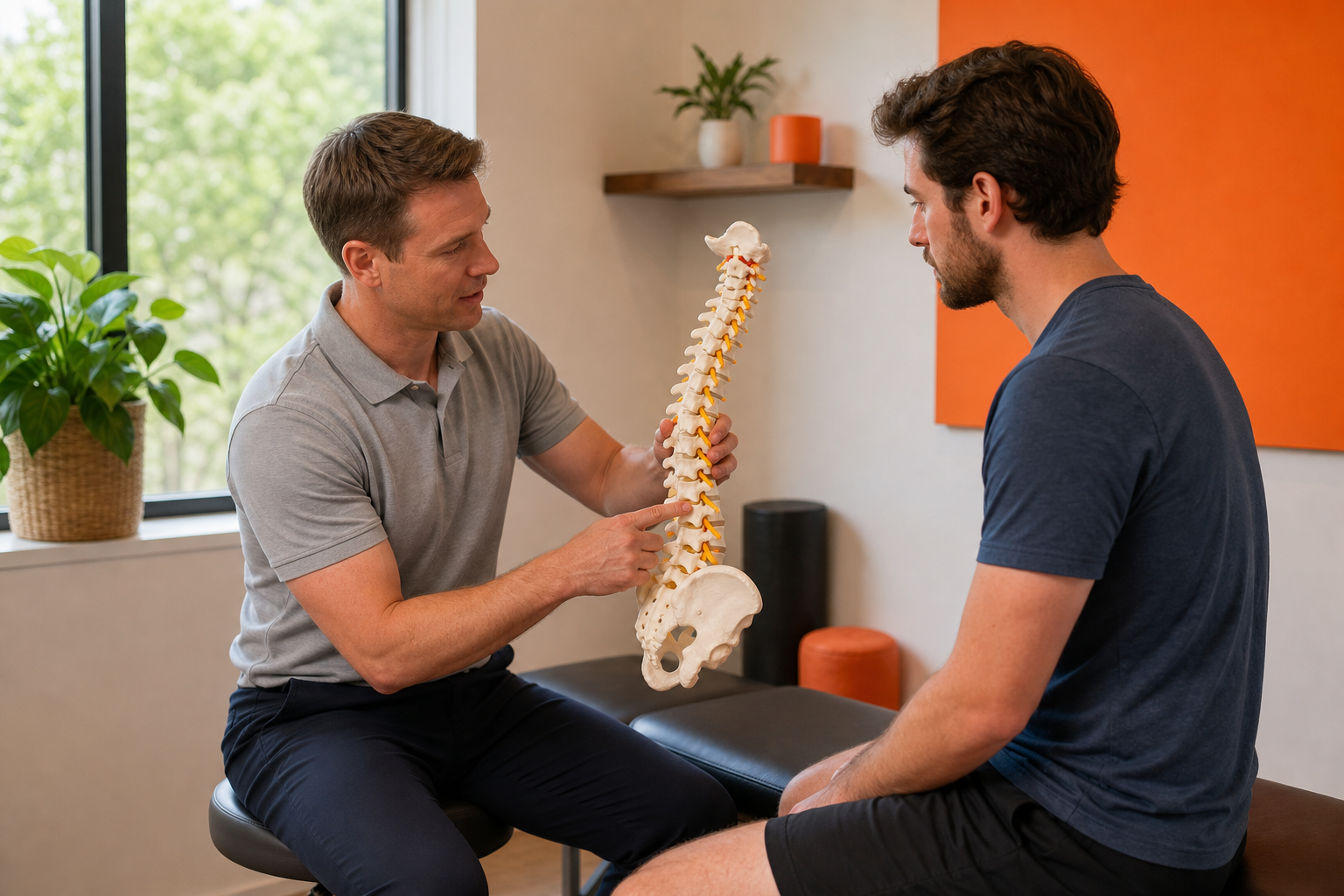
We don’t assume every person needs the same approach. A gentle plan may suit one person, while another may need referral for medical imaging or review. Chiropractic care shouldn’t replace emergency treatment when red flags are present.
Research reviews on lumbar radiculopathy describe non-surgical care as the first step for many people without serious neurological loss. You can ed discussion in this review of lumbar radiculopathy treatment . Your own time frame may differ, so monitor function as well as pain.
Key Takeaway:Stable symptoms can often start with gentle activity and an assessment. Bladder or bowel changes, saddle numbness, major weakness, fever, or post-trauma pain need urgent medical care.
Frequently Asked Questions
How do I know if I have a pinched nerve in my lower back?
You may have nerve irritation when lower-back pain travels into the buttock or leg with tingling, numbness, burning, or weakness. These signs can also come from other conditions, so symptoms alone can’t confirm the cause. A practitioner can assess strength, sensation, movement, and the pattern of your pain.
Can a pinched nerve in the lower back heal on its own?
Yes, many cases improve with time and conservative care when there are no red flags. Gentle movement, better tolerance of daily tasks, and a gradual return to activity can support recovery. Arrange an assessment if symptoms worsen, limit your function, or fail to settle.
Should I stretch a pinched nerve in my lower back?
Gentle stretching may help if it reduces tension without spreading symptoms. Don’t force a deep stretch or hold a position that causes sharp pain, tingling, or more leg pain. Easy walking and small controlled movements may be a better starting point during a sensitive flare.
When should I go to hospital for lower-back nerve pain?
Go to hospital urgently if you have new bladder or bowel control problems, numbness around the genitals or anus, or sudden major leg weakness. Seek urgent care for severe pain after a fall or crash, or back pain with fever. These signs need medical assessment rather than home treatment.
Can a chiropractor help with a pinched nerve in the lower back?
A chiropractor may help some people after an assessment confirms that conservative care is suitable. Treatment can include advice, rehabilitation, soft tissue work, or a suitable chiropractic technique. It isn’t appropriate to delay emergency care for red flags. Unleashed Health Chiropractic can discuss your symptoms and next steps in Ascot Vale.
Conclusion
Start with gentle movement and sensible changes to sitting, lifting, and rest when symptoms are mild. Arrange an assessment if pain travels down your leg or affects daily life, and seek urgent help for bladder or bowel changes, saddle numbness, major weakness, fever, or trauma. If you’re in Ascot Vale or nearby Melbourne suburbs, explore back pain care at Unleashed Health Chiropractic and choose the next step that fits your symptoms.


Comments