


Treatment options for shoulder and neck pain: 5 choices

Shoulder and neck pain can knock you off your game fast. Here are five options you can pick, with a quick note on who they suit best.
Table of Contents
1. Chiropractic care: an assessment‑led option in Ascot Vale
Unleashed Health Chiropractic offers a full history, physical and neurological exam, plus a postural assessment.
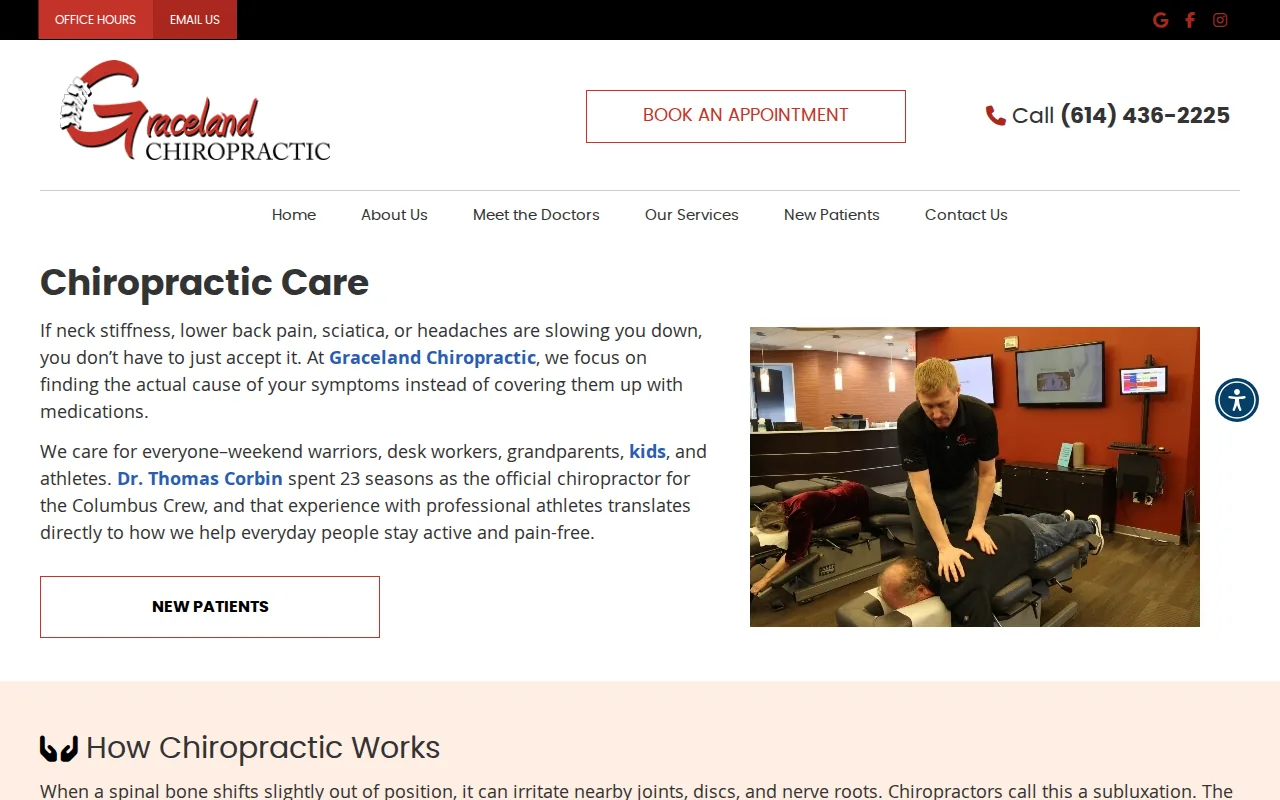
We look at the whole kinetic chain (neck, mid‑back and shoulder) to find areas that may be loading the shoulder joint. Where suitable, gentle chiropractic care may help with movement and muscle tension.
Shoulder problems often involve the cervical spine , so a spine‑focused assessment can be valuable. Learn more about chiropractic care at Unleashed Health Chiropractic .
Key Takeaway:A thorough assessment helps target the source of pain, not just the sore spot.
2. Relative rest: reduce aggravating activity while staying gently active
Relative rest means cutting back on the moves that flare the pain, but still keeping the joint moving enough to avoid stiffness.
Simple changes, like lowering the weight of a bag or taking micro‑breaks at a desk, often make a big difference.
A typical plan might ask you to avoid heavy lifting for a week, then add light shoulder rolls and chin tucks twice a day. If the pain eases, you can gradually raise activity levels.
3. Ice therapy: a short-term option for some recent shoulder injuries
Ice packs cool the tissue, shrink swollen blood vessels and numb pain signals.
Ice is most often used in the first 48‑72 hours after a recent injury, when it may help ease pain and swelling.
Wrap the ice in a thin towel to protect skin, and avoid direct contact for more than 20 minutes at a time. If swelling persists beyond a few days, seek professional advice.
4. Exercise‑based rehabilitation: restore movement and build strength gradually
Targeted rehab works the rotator cuff, upper traps and neck muscles to improve stability and range of motion.
Typical sessions include gentle pendulum swings, wall slides and scapular squeezes, done twice a week under supervision. Over time you add resistance bands or light dumbbells as tolerated.
Consistent rehab may help reduce pain and lower the chance of future flare‑ups.
Pro Tip:Keep a brief log of pain levels after each exercise; it helps you and your therapist see progress.
5. Over‑the‑counter pain relievers: consider suitability and safety first
NSAIDs such as ibuprofen work by blocking prostaglandin production, which reduces inflammation and pain.
Use the lowest effective dose for the shortest time needed. If you have stomach ulcers, kidney disease or are on certain medications, talk to a pharmacist or doctor before use.
These medicines can help you stay comfortable while you rest or do gentle exercises, but they don’t fix the underlying cause.
How to choose the right option
If pain is sharp, recent and linked to a specific injury, start with ice and relative rest.
When stiffness or limited range persists beyond a few days, add guided exercises.
If the pain radiates up the neck or feels linked to posture, a chiropractic assessment may uncover hidden joint issues.
Use OTC pain relievers only as short‑term support, and check with a health professional if you have medical conditions.
Frequently asked questions
What should I do if my shoulder pain won’t improve after a week?
If pain lasts more than a week, or you notice swelling, numbness or weakness, book an assessment with a qualified health professional.
Is ice therapy safe for everyone?
Ice is safe for most people, but avoid it if you have circulation problems, diabetes‑related nerve loss, or an open wound on the area.
Can I keep working while using relative rest?
You can modify activities, for example, use a lighter bag, avoid overhead lifts and take frequent micro‑breaks, to keep moving without aggravating the pain.
When should I consider seeing a chiropractor?
If you have persistent neck‑shoulder tension, limited motion, or pain that seems linked to spinal alignment, a chiropractic assessment can identify contributing factors.
Are NSAIDs safe for long‑term use?
Long‑term daily use can increase risk of stomach ulcers, kidney strain and heart issues. Discuss any prolonged use with a doctor.
What red‑flag symptoms mean I need urgent medical help?
Sudden weakness, severe numbness, loss of circulation, chest pain, or pain after a fall are signs to seek emergency care right away.
We hope this shortlist helps you pick a path that fits your needs. If you’re unsure which option suits you best, consider an assessment to map out a personalised plan.
Schedule a consultation at Unleashed Health Chiropractic to find out which approach matches your condition and goals.


Comments