


8 Forward Head Posture Exercises for Your Routine
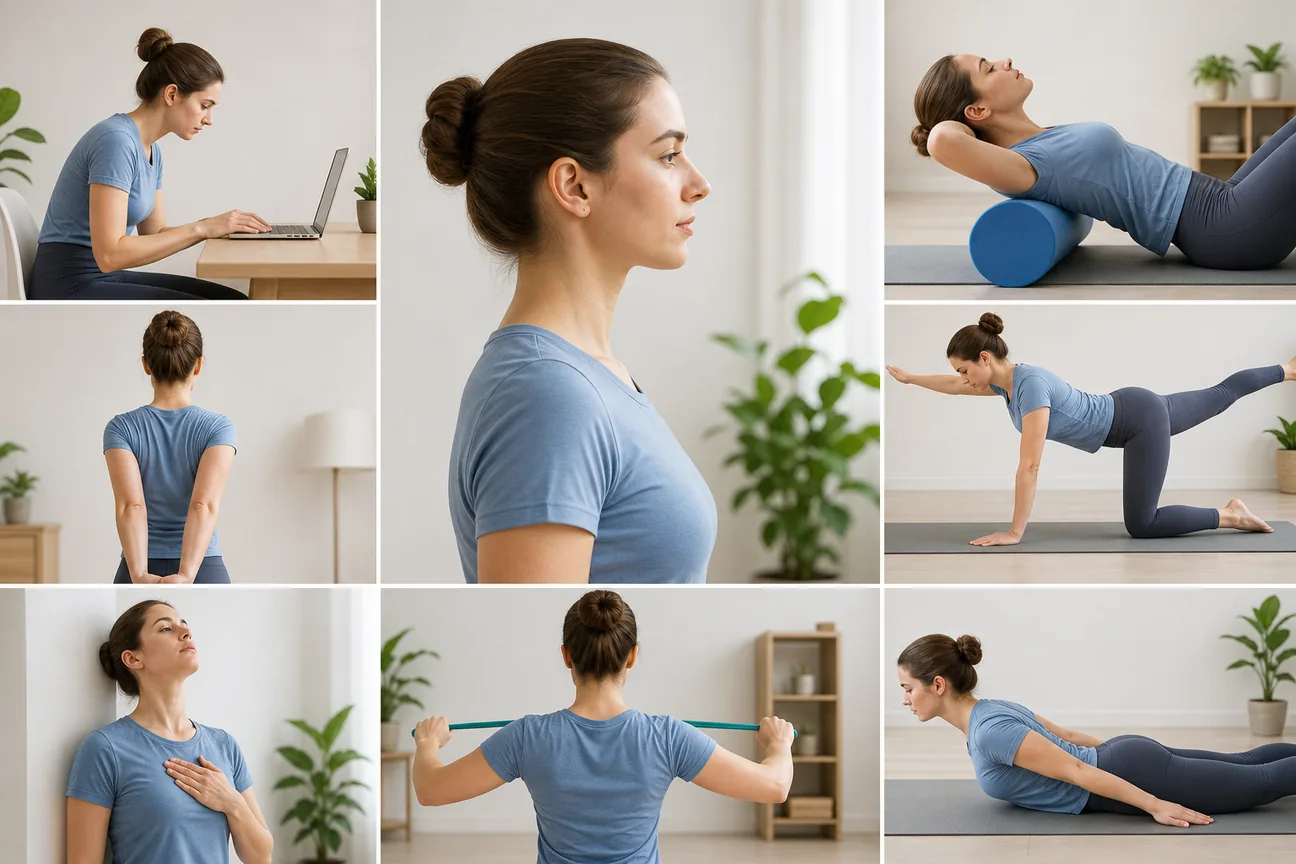
Forward head posture can creep in from hours at a desk, phone scrolling, or sleepy evenings on the couch. It strains the neck, tightens the chest and can trigger headaches. Below are eight exercises you can fit into a quick daily routine to restore a neutral head‑over‑shoulder alignment.
Table of Contents
1. Chin Tucks: Practice a Gentle Neck Retraction
Chin tucks are a simple neck retraction that targets the deep neck flexors. It needs no equipment. Sit tall, shoulders relaxed. Gently slide the chin toward the throat, creating a subtle double‑chin. Keep the eyes forward and avoid jutting the head forward. Similar neck-control work is included in these posture exercises for back pain .
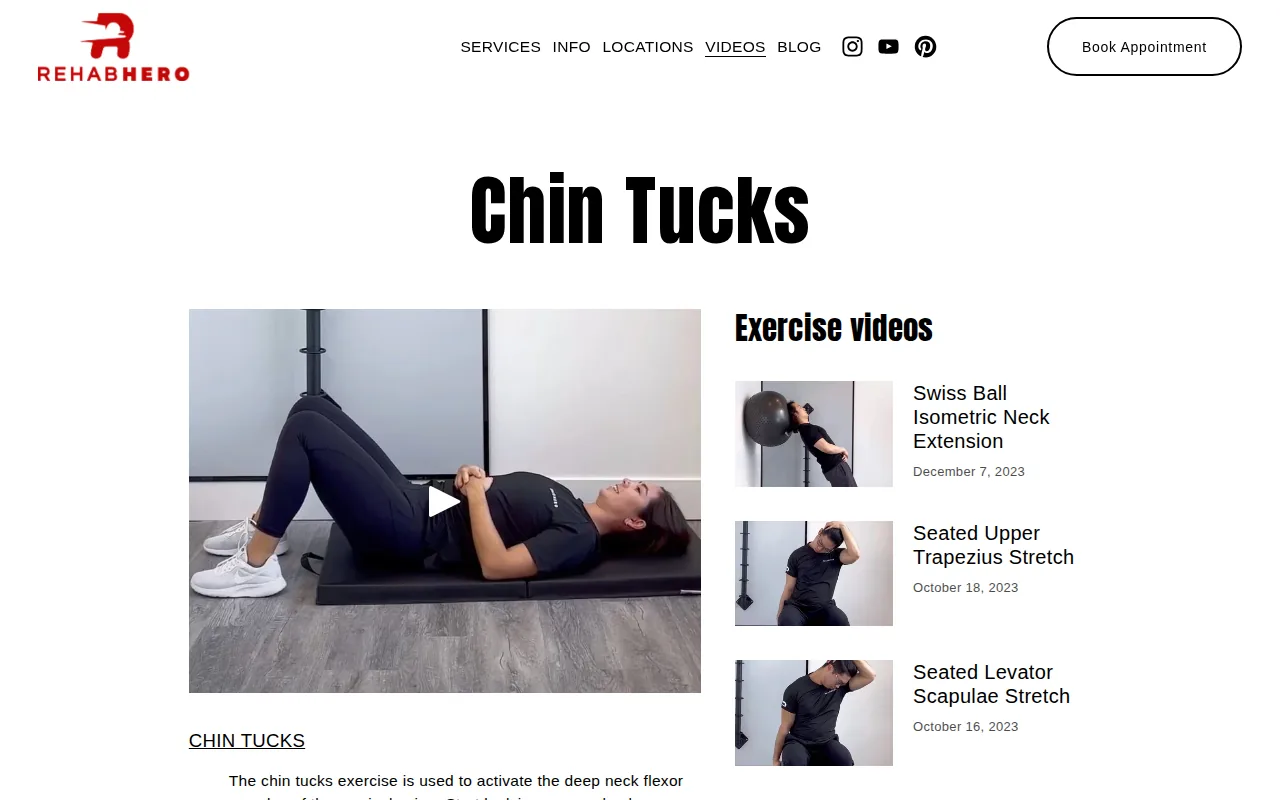
Hold for 5‑10 seconds, then release. Aim for 8‑12 reps, 2‑3 sets a day. The exercise feels like a tiny nod; you should sense a mild stretch at the back of the neck and a light activation under the chin. If you notice dizziness or sharp pain, stop and check your posture with a mirror. Over time the deep flexors gain endurance, helping to keep the head from drifting forward.
Because the movement is low‑impact, it can be done while you’re on a conference call or watching TV. Pair it with a quick screen‑height check: your monitor top should sit at eye level so you don’t habitually look down.
2. Scapular Squeezes: Activate the Upper Back
Scapular squeezes fire the mid‑trapezius and rhomboids, pulling the shoulder blades together and encouraging a more upright thoracic spine. Start standing or seated with arms at your sides. Draw the shoulder blades toward each other and slightly down, as if trying to tuck them into a back pocket. Hold for 3‑5 seconds, then relax.
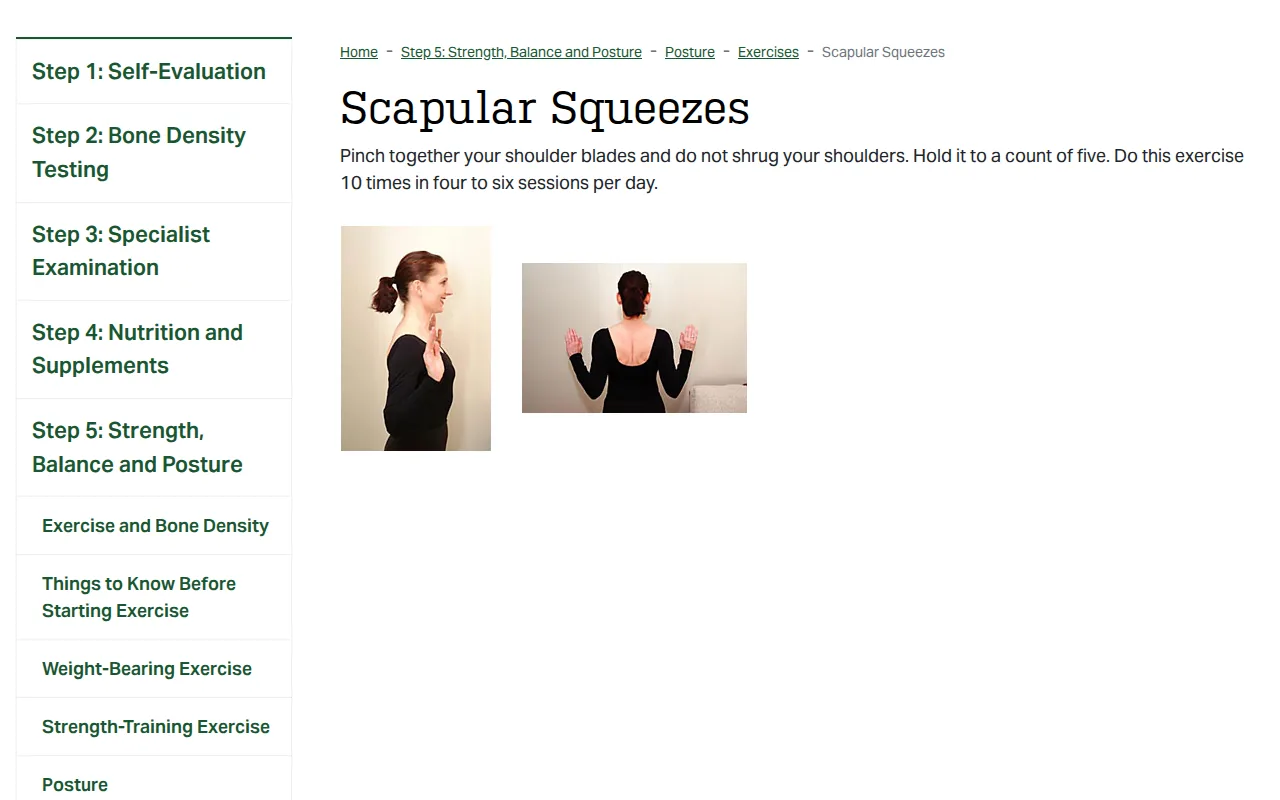
Do 10‑15 reps, 2‑3 sets. The cue "squeeze gently, not hard" helps avoid over‑activating the upper traps, which can become tight if you press too hard. This exercise is especially useful after long periods of desk work because the shoulders tend to round forward.
We often see people forget to breathe during the squeeze. Inhale as you open the shoulders, exhale as you draw them together. This breathing rhythm supports the muscle activation and keeps the neck relaxed.
3. Wall Angels: Practice Controlled Shoulder and Upper‑Back Movement
Wall angels improve thoracic mobility and train the shoulders to stay in a stable, open position. Stand with your back, hips, and head against a wall. Keep a small gap between the lower back and the wall if you have a slight lumbar curve. Raise your arms to a "W" shape, elbows bent, forearms touching the wall.
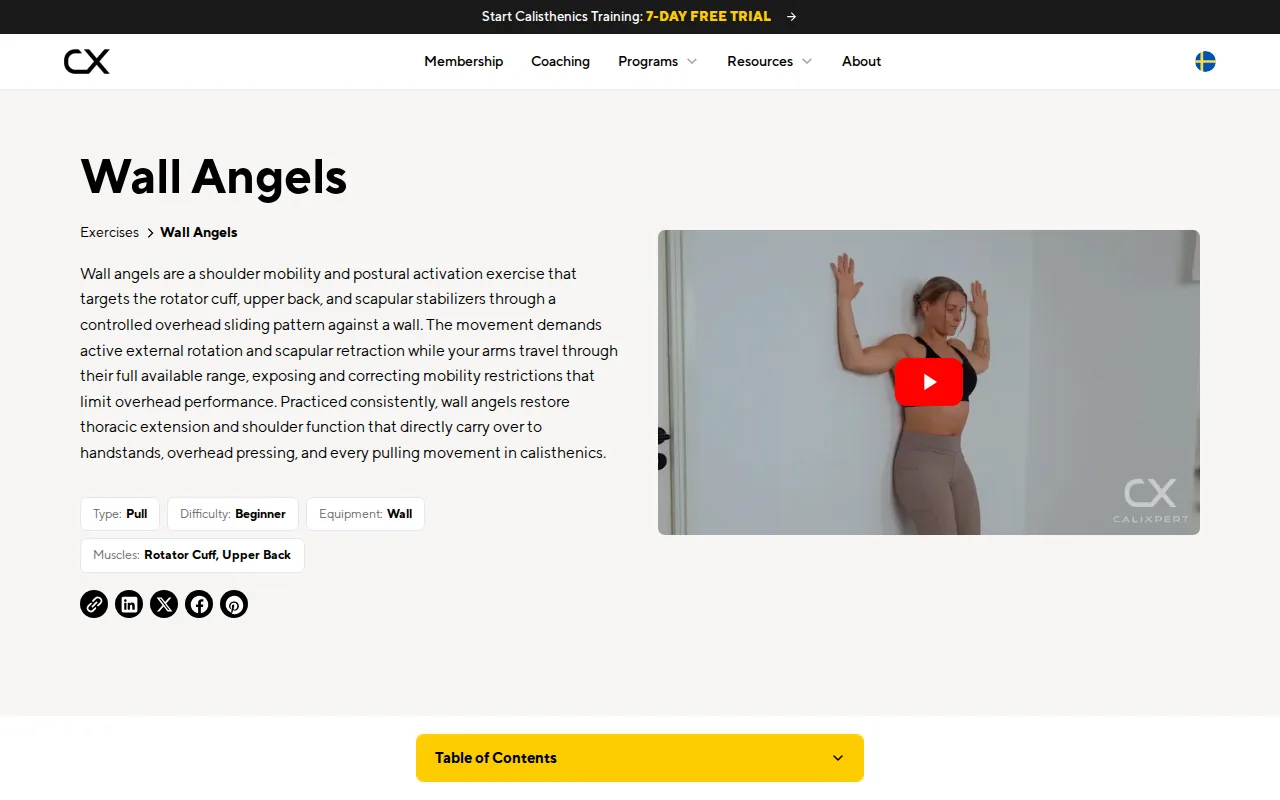
Slide the arms upward into a "Y" while keeping contact with the wall, then lower back to the "W". Move slowly, focusing on keeping the shoulders down and the neck neutral. Perform 8‑10 reps, 2 sets.
A rounded upper back tends to pull the head forward, so upper-back extension matters here. Wall angels give you a visual cue (the wall) to keep the spine aligned.
For a gentle progression, start with the arms at shoulder height and only slide a few centimeters up. If you feel strain in the shoulders, reduce the range until the muscles feel comfortable.
4. Doorway Chest Stretch: Explore a Comfortable Front‑of‑Chest Stretch
The chest muscles often shorten when we hunch over screens, pulling the shoulders forward and contributing to head‑forward drift. The doorway stretch releases the pectoralis major and minor, allowing the shoulders to roll back.
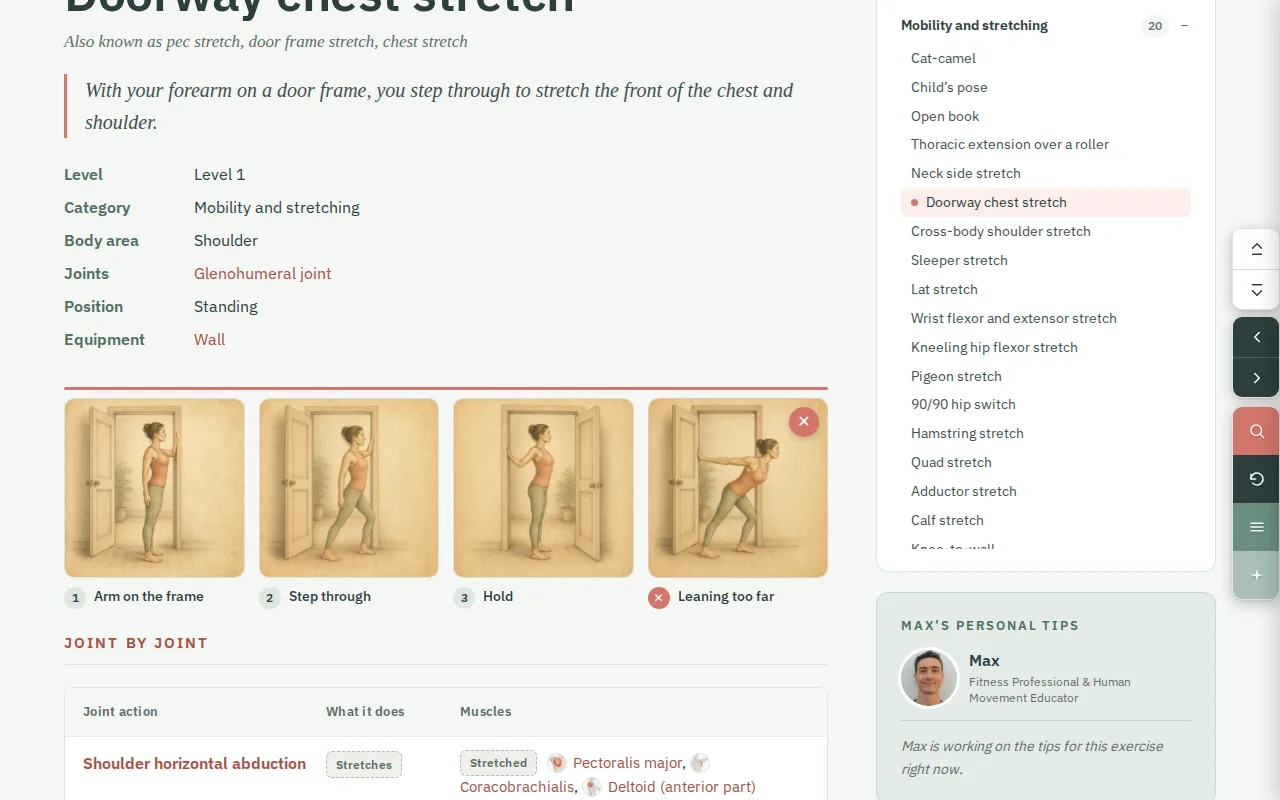
Stand in a doorway, place each forearm on the frame at about shoulder height, elbows bent 90°. Step one foot forward gently, feeling a stretch across the front of the chest. Keep the shoulders down, avoid shrugging.
Hold for 30‑45 seconds, repeat 2‑3 times per side. The stretch is mild; you should feel a light pull, not pain. Consistency is more important than depth, doing it each workday keeps the chest supple.
If you have limited mobility, rest a towel on the frame and lean into it, reducing the intensity. This makes the stretch accessible for beginners and those with shoulder discomfort.
Our clinic often pairs this stretch with scapular squeezes to create a balanced front‑to‑back routine.
5. Upper Trap Stretch: Add Gentle Side‑of‑Neck Mobility
The upper trapezius frequently becomes over‑active in forward head posture, leading to tension headaches. This stretch targets that muscle and offers a quick relief cue.
Sit or stand tall. Rest your left hand on the right side of your head and gently draw your head toward the left shoulder, feeling a stretch along the right side of the neck. Hold for 20‑30 seconds, then switch sides.
Perform 2‑3 rounds per side. Keep the shoulder relaxed; the stretch comes from the neck, not the shoulder shrug. If you feel a sharp pain near the ear, stop, the goal is a mild, comfortable lengthening.
After the stretch, shake the shoulders gently to reset any residual tension before moving on to the next exercise.
6. Prone Y‑T‑W Raises: Build Upper‑Back Movement Control
Prone Y‑T‑W raises strengthen the deep upper‑back muscles that support an upright posture. Lie face‑down on a mat with arms extended overhead (the "Y" position). Lift the arms a few centimetres off the floor, thumb pointing upward. Hold for 2 seconds, lower.
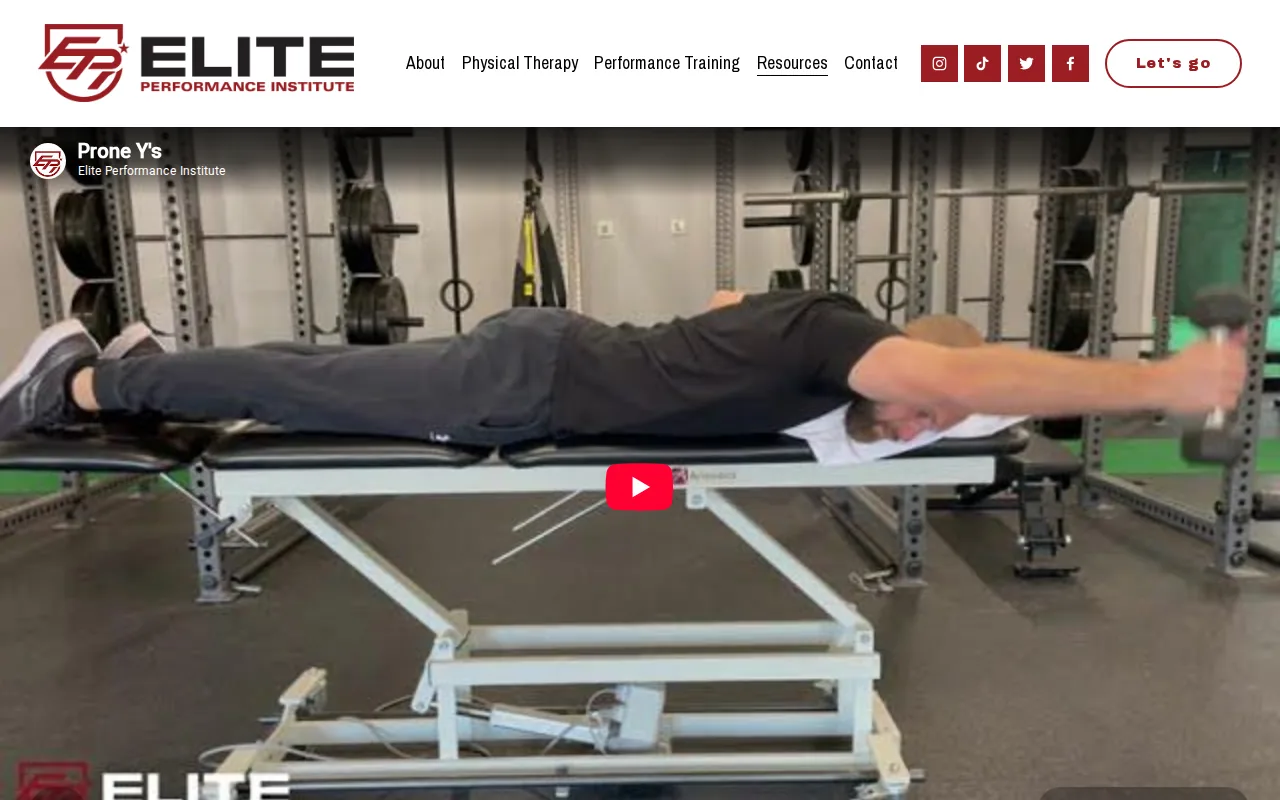
Repeat in the "T" (arms straight out to the sides) and "W" (elbows bent, thumbs up) positions. Perform 8‑10 reps of each letter, 2 sets.
The sequence hits the lower traps, rhomboids and mid‑trapezius, creating a stable shoulder girdle. Because the movement is performed lying down, it takes load off the spine. Keep the range small if anything feels uncomfortable.
If the lift feels too easy, add a light resistance band around the wrists. Keep the neck neutral; avoid craning the head upward.
Consistent work here can improve the ability to keep the shoulder blades down and back during daily activities, which in turn lessens the forward pull on the head.
7. Suboccipital Release: Use a Gentle Supported Option
Suboccipital muscles sit at the base of the skull and can become tight, causing tension‑type headaches and contributing to forward head posture. A simple self‑release using a tennis ball in a sock works well at home.
Place the ball‑in‑sock on the floor, lie on your back, and rest the back of your head on the ball. Gently roll side‑to‑side in a small range, avoiding any sharp pain. Spend 1‑2 minutes, focusing on breathing.
The cue "let the weight of the head do the work" helps keep the pressure light. If you feel a tingling sensation, reduce pressure; the aim is a mild massage, not deep tissue work.
Persistent headaches may need professional assessment.
We suggest pairing this release with chin tucks to reinforce a neutral head position once the muscles are relaxed.
8. Seated Thoracic Extension: Mobilise the Upper Back with Support
Thoracic extension counters the rounded upper back that often drives forward head posture. Sit on a firm chair, place a rolled towel or small pillow horizontally across the mid‑back, just below the shoulder blades.
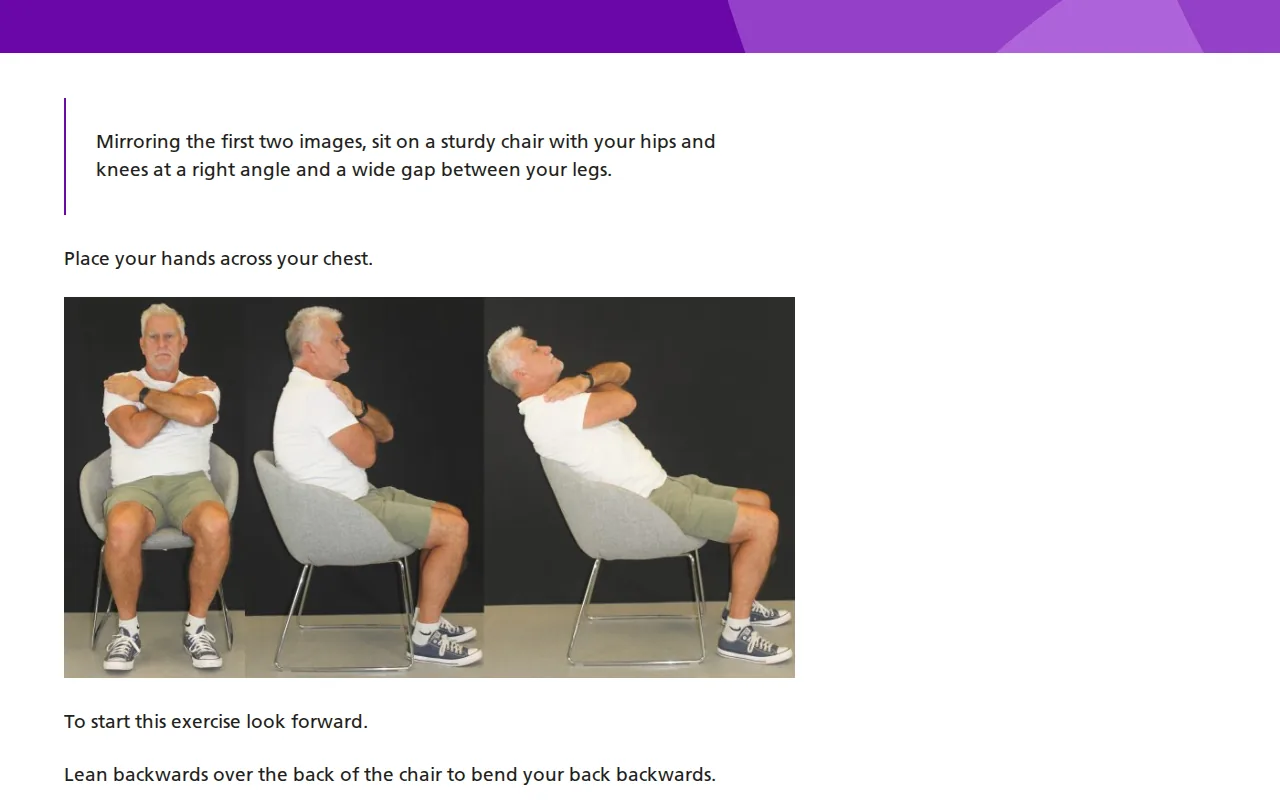
Step | Instruction |
1 | Sit tall, feet flat, hands resting on thighs. |
2 | Lean forward slightly, allowing the towel to support the spine. |
3 | Press gently through the elbows, extending the upper back over the towel. |
4 | Hold for 5‑10 seconds, then return to neutral. |
5 | Repeat 8‑10 times, 2 sets. |
The movement opens the chest and encourages the head to sit back over the shoulders. Keep the neck neutral; avoid looking up, which can re‑engage the suboccipital muscles.
For extra support, place a rolled towel behind the lower back as well, creating a gentle thoracic arch. This can be especially helpful after long periods of sitting.
How to Choose the Right Exercise for You
Not every movement feels right for every body. Use these quick questions to pick the best fit:
Do you feel more tightness in the chest or the back? Choose chest‑openers (doorway stretch) if the front feels restrictive.
Is neck pain your main concern? Start with chin tucks and suboccipital release.
Do you have limited space or equipment? Wall angels need only a wall, and prone Y‑T‑W raises need only a floor mat.
Do you prefer seated work? The seated thoracic extension fits a desk environment.
Mix and match two or three exercises each session. Consistency beats intensity; a few minutes a day adds up.
Key Takeaway:Combine a neck retraction (chin tuck) with an upper‑back opener (wall angels) for a balanced routine.
FAQ
Can forward head posture cause headaches?
Yes, forward head posture can contribute to tension‑type headaches by over‑activating the suboccipital muscles. Gentle chin tucks and suboccipital release may reduce that tension.
How often should I do these exercises?
Aim for a short session 3‑4 times a week, or break them into brief 5‑minute bursts throughout the day. Consistency is more important than long, occasional workouts.
What if I feel pain during an exercise?
If you experience sharp or worsening pain, stop the movement immediately and consult a qualified clinician. Mild discomfort is normal, but sharp pain signals that the exercise may not be suitable for you at that moment.
Do I need any equipment?
All of the listed exercises are equipment‑free except the suboccipital release (a tennis ball in a sock) and the seated thoracic extension (a rolled towel or small pillow). You can use household items you already have.
When should I see a professional?
Seek assessment from a qualified practitioner if you notice persistent neck pain, numbness, tingling down the arm, or worsening headaches despite self‑care. A thorough postural assessment can rule out underlying issues that need hands‑on treatment.
Conclusion
Pick a couple of the exercises above that feel comfortable, practice them regularly, and monitor how your head sits over your shoulders. If you’re unsure which moves suit your body, learn how to fix forward head posture with a guided assessment and let a qualified clinician tailor a plan for you.
Ready to put this into practice? Unleashed Health Chiropractic in Ascot Vale can assess your posture and suggest exercises that suit you.


Comments