


Best Posture Exercises for Back Pain
Back pain can ruin a day, a week, or even a life. The good news is you can fight it with a few smart moves. Below are six posture exercises that target the spine, hips and shoulders, plus tips on who will get the most out of each.
Table of Contents
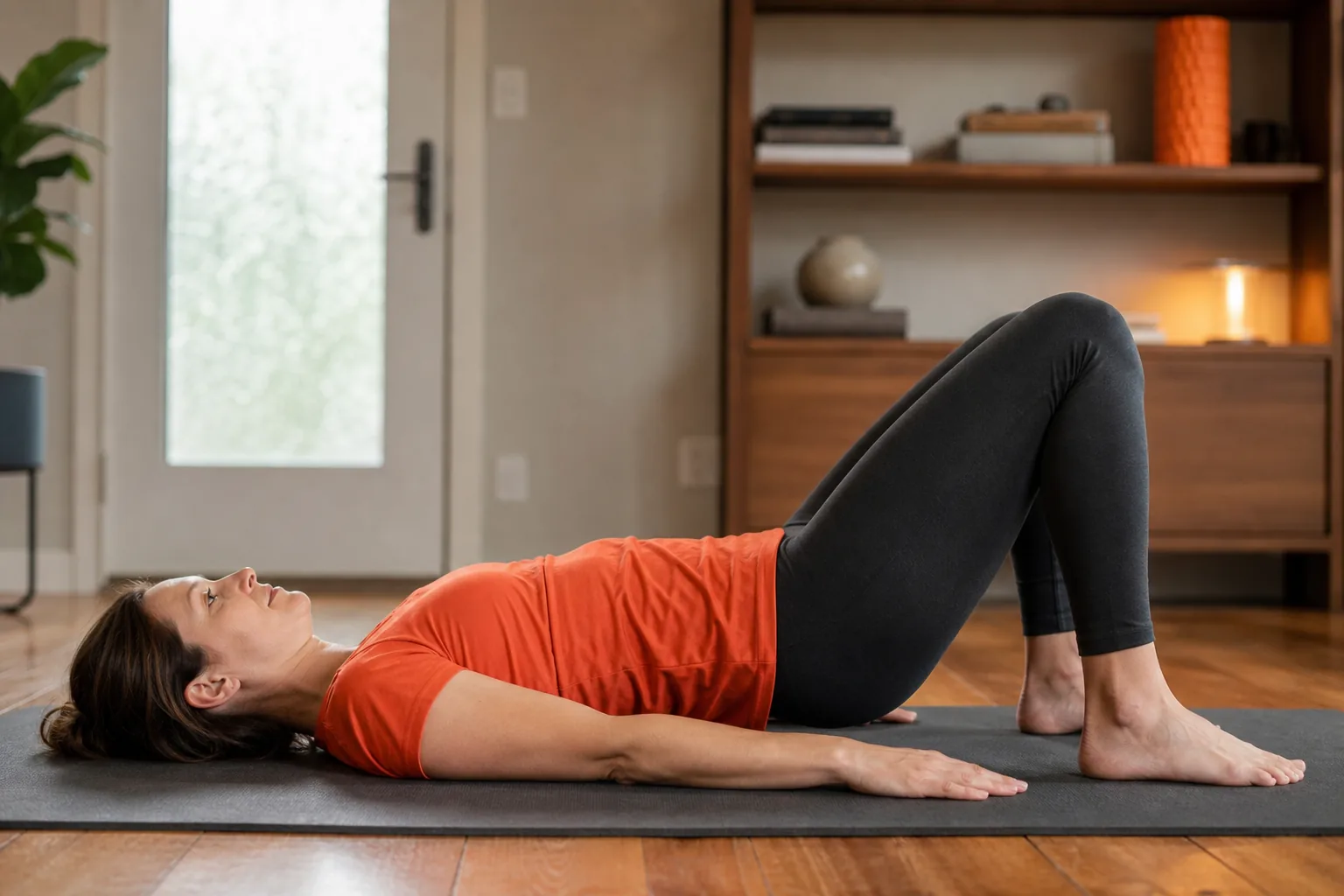
1. Pelvic Tilts — Gently Practise Lower-Back Control
Pelvic tilts are a simple way to teach the low back to move without strain. You lie on your back with knees bent, press the lower back into the floor and tilt the pelvis upward. This motion engages the deep abdominal muscles and eases lumbar tension.
The exercise is ideal for anyone with stiff lower‑back muscles, office workers who sit a lot, or beginners who need a safe starter. Trunk‑coordination and strengthening exercises like pelvic tilts may help reduce low‑back pain and improve function.
Do three sets of ten reps, pausing for a breath at the top of each tilt. If you feel a sharp ache, stop, the move should feel like a gentle stretch, not a pain trigger.
Remember to keep your neck relaxed and breathe steadily throughout.
Posture Correction Exercises: A Simple Guide offers a broader routine you can add once you’ve mastered the tilt.
2. Chin Tucks — Reduce Forward‑Head Posture Strain
Forward‑head posture pushes the neck forward, loading the cervical spine and pulling the shoulders down. Chin tucks pull the head back over the shoulders without moving the chest.
Start seated or standing, shoulders relaxed. Gently draw the chin toward the throat, creating a double‑chin. Hold for three seconds, then release. This tiny movement re‑educates neck muscles and eases tension that often radiates into the upper back.
The move works well for desk‑bound people, gamers, or anyone who spends long hours looking at a screen. If you feel dizziness, reduce the hold time, the goal is subtle alignment, not a forceful stretch.
Aim for ten reps, three times a day. Consistency beats intensity.
3. Cat‑Cow Movements — Add Comfortable Spinal Mobility
Cat‑cow is a classic flow that opens the entire spine, from the neck down to the sacrum. Moving through flexion and extension loosens tight muscles and improves joint lubrication.
Begin on hands and knees, hands under shoulders, knees under hips. Inhale, drop the belly and look up (cow). Exhale, round the back, tuck the chin (cat). Move slowly, matching breath to motion.
Research on herniated‑disc exercises shows that gentle spinal mobilisations like cat‑cow help reduce pain and improve functional movement. The rhythm of the move also calms the nervous system, which can lower the perception of pain.
Do eight to ten cycles, focusing on smooth transitions. If you have severe disc issues, keep the range small and stop at any point of discomfort.
Exercises to Improve Posture: A Simple Guide expands on this flow with variations for tighter hips.
Key Takeaway:Cat‑cow adds fluid motion to a stiff spine, and a few minutes each day can shift pain levels noticeably.
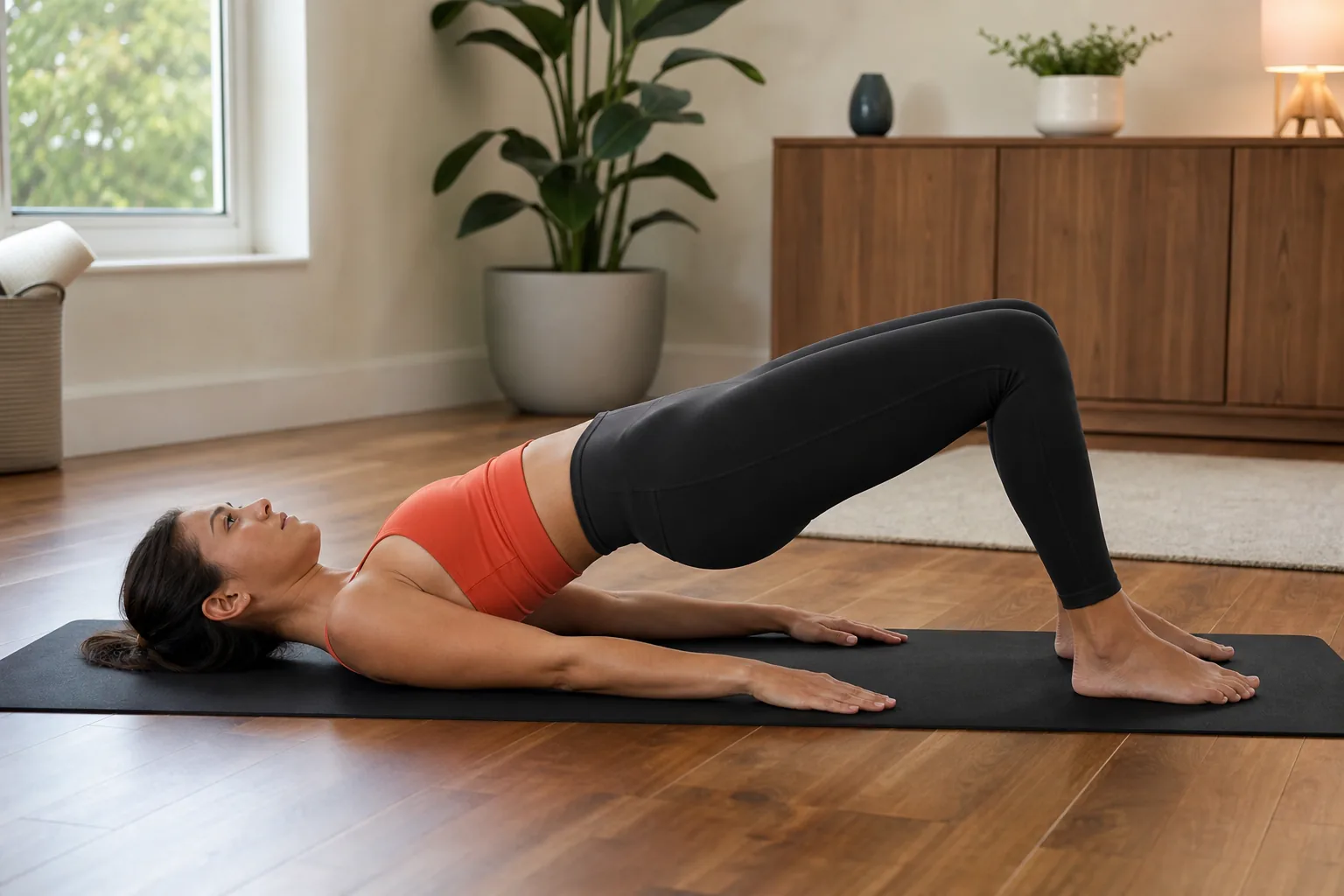
4. Glute Bridges — Support Pelvic and Lower‑Back Stability
Glute bridges fire the glutes, hamstrings and core, creating a solid base for the lower back. Strong glutes prevent the pelvis from tilting forward, a common cause of lumbar strain.
Lie on your back, knees bent, feet hip‑width apart. Press through the heels, lift hips until your body forms a straight line from shoulders to knees. Squeeze the glutes at the top, then lower slowly.
A systematic review in PMC found core‑stability exercises like bridges reduce pain intensity and improve functional disability in chronic low‑back pain patients. The evidence supports bridges as a cornerstone of any back‑pain routine.
Begin with three sets of ten, gradually adding a hold of two seconds at the top. If the lower back arches too much, reduce the lift height.
For a visual cue, picture a bridge spanning a river, the glutes are the supporting arches.
5. Bird‑Dog Exercise — Build Controlled Core Coordination
Bird‑dog challenges balance and core coordination by extending opposite arm and leg while keeping the torso stable. It trains the deep stabilisers that protect the spine during everyday moves.
Start on hands and knees. Extend the right arm forward and left leg back, keeping hips level. Hold for three seconds, then return. Switch sides. Keep the core engaged; avoid rocking.
This exercise suits athletes, parents chasing toddlers, or anyone who needs better trunk control. A common mistake is letting the back sag, keep a neutral spine.
Do eight reps per side, three times a week. Over time you’ll notice smoother lifts and less lower‑back wobble.
How to Relieve Back Pain Fast: 6 Safe Steps includes bird‑dog as part of a broader home‑care plan.
6. Wall Angels — Improve Upper‑Back and Shoulder Position
Wall angels open the chest and rotate the shoulder blades, undoing the slouch that often follows desk work. They also improve scapular mobility, which eases neck and upper‑back strain.
Stand with your back against a wall, feet a few inches from it. Press the lower back, upper back and head into the wall. Raise arms to a "W" shape, elbows bent, forearms against the wall. Slide them up to a "Y" while keeping contact. Lower back down.
People with rounded shoulders, tight pectorals or forward‑head posture find this move especially helpful. If your wrists or elbows lift off the wall, reduce the range until you can keep contact.
Perform two sets of ten, focusing on smooth motion. Over weeks you’ll feel your shoulders sit more naturally and your neck less strained.
FAQ: Posture Exercises for Back Pain
What are the best posture exercises for lower back pain?
The top picks are pelvic tilts, glute bridges, bird‑dog and cat‑cow. Each targets core stability, spinal mobility and pelvic alignment, which are key for reducing lower‑back discomfort.
How often should I do these exercises?
Aim for a short routine 3‑4 times a week. Consistency matters more than length; a 10‑minute session done regularly beats a 30‑minute session once a month.
Can I do these moves if I have a herniated disc?
Start with low‑impact variations and keep the range small. Cat‑cow and pelvic tilts are generally safe, but stop any exercise that causes sharp radiating pain and see a professional.
Do I need equipment?
No special gear is required. A yoga mat adds comfort, and a sturdy chair can help with seated variations of chin tucks.
When should I see a chiropractor?
If pain persists after four weeks of gentle exercise, or if you notice numbness, tingling or weakness, book an assessment at Unleashed Health Chiropractic in Ascot Vale. Our team can tailor a program and check for underlying issues.
Start with the exercises that match your current comfort level, then progress as strength builds. If you need a personalised plan, we’re here to help at Unleashed Health Chiropractic, just book a session and let us guide you to a pain‑free back.
Pro Tip:Pause briefly when your arm and leg are fully extended; this tiny static hold boosts muscle endurance.


Comments