


Chiropractor for Pelvis Pain: What to Know
Pelvic pain can affect how you walk, sit or bend, but a tilted pelvis isn’t always the cause. A chiropractor for pelvis pain may assess movement around your lower back, hips and pelvis, then discuss care if your symptoms appear musculoskeletal.
We analyzed 23 comments and questions from YouTube and Quora about chiropractic pelvic Pain and found that 30% mentioned effectiveness and how long relief lasts.
We understand that pain in this area can be worrying. Here’s how the parts work together, what an assessment may involve, and when a medical review should come first.
Table of Contents
How the Pelvis, Hips and Lower Back Work Together
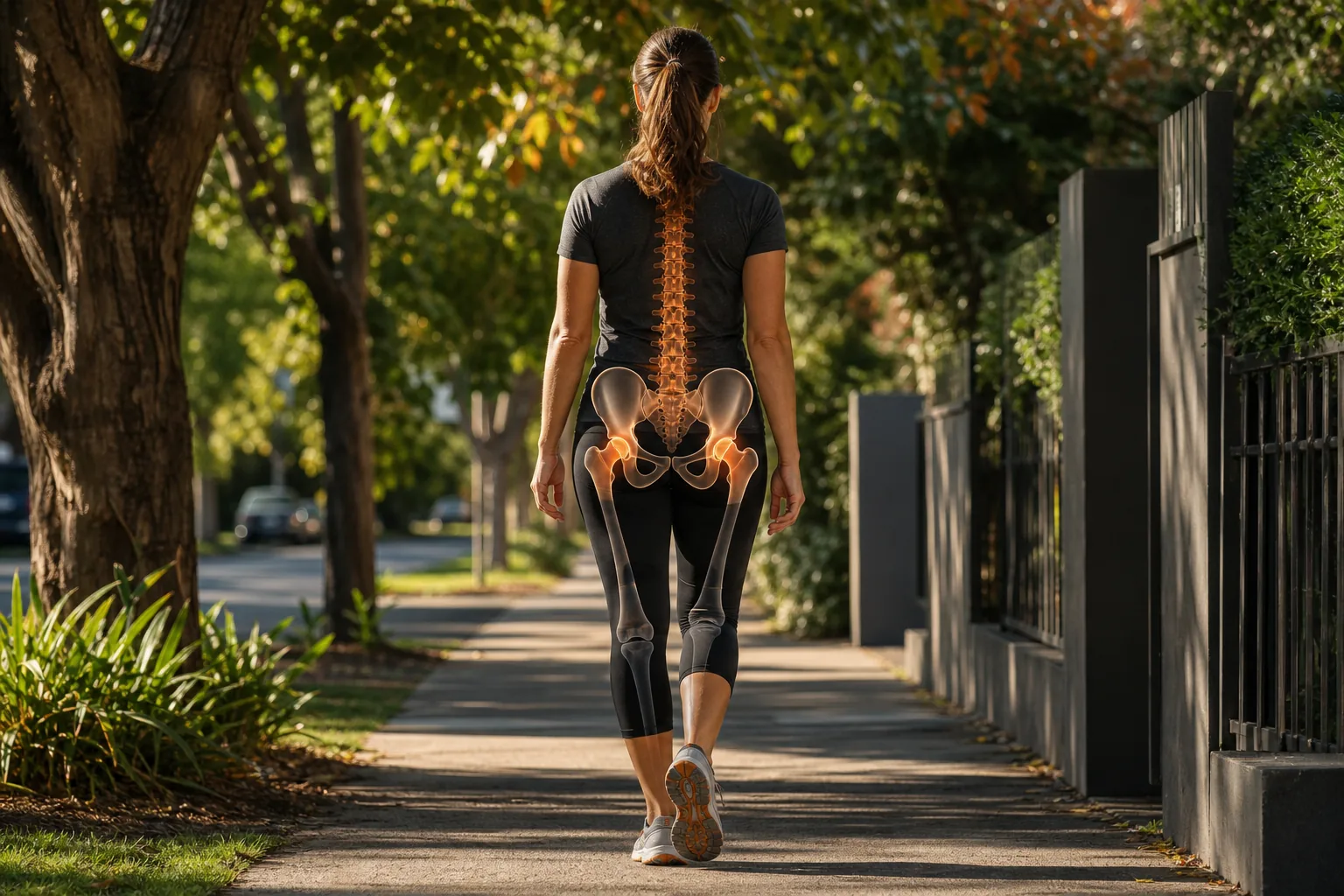
Your pelvis links your spine to your legs. The hip joints let your thighs move, while the sacroiliac joints connect the sacrum, at the base of the spine, to the pelvic bones. Together, these parts help transfer load as you stand, walk, climb stairs or get out of a chair.
That shared work means a sore hip or lower back can affect how you move through the pelvis. For example, if one hip feels stiff, you might shift your weight or turn your trunk to make a step feel easier. That change can add strain elsewhere. It doesn’t prove the pelvis is misaligned or identify the source of pain.
An association doesn’t show that a pelvic tilt caused your pain. You can read more about lower-limb alignment and low back pain here .
Injury, muscle tightness, changes in activity and joint irritation can all affect movement. A difference in how the legs look or feel also needs careful assessment. A visual check alone can’t tell whether any difference is structural, related to posture, or relevant to your symptoms.
If hip symptoms are part of the picture, our notes on what to do about hip pain explain why the location of pain doesn’t always reveal its cause.
We take the time to understand what brings on your discomfort and how it affects your daily tasks. The goal is to assess the whole movement pattern, not to assume one bone needs to be put back in place.
Key Takeaway:Pelvic position can relate to movement and symptoms, but it can’t explain every case of hip or back pain.
SI Joint Pain: Symptoms, Possible Causes and Chiropractic Care
The sacroiliac, or SI, joints sit where the base of your spine meets your pelvis. They help transfer weight between your upper body and legs. Pain near one joint may feel like an ache or a sharper pain around the lower back or upper buttock.
Some people notice discomfort when standing on one leg, getting up after sitting, or taking a long step. Pain can also spread towards the hip or down a leg. These signs can fit with SI joint irritation, but they can also occur with other problems. Symptoms alone can’t confirm the cause.
Possible contributors include a fall or other injury, pregnancy-related changes, arthritis, or altered movement that puts more stress through the area. Pregnancy can affect the way pelvic joints move. Pelvic girdle pain may need care that considers your pregnancy and wider health needs, not only the joint.
A chiropractor may assess how your lower back, hips and pelvis move, along with your history and the tasks that bring on pain. If the assessment suggests musculoskeletal care may be suitable, options can include a chiropractic adjustment or gentler joint mobilisation. Mobilisation uses guided movement rather than a quick thrust. The choice should fit your symptoms and your comfort.
We don’t assume every sore SI joint needs an adjustment. A useful plan may also involve advice about activity or rehabilitation exercises. If you’re weighing up whether an assessment is appropriate, our overview of SI joint care options in Ascot Vale covers what to ask and when medical advice may be needed.
If your pain follows a major fall, keeps worsening, or comes with symptoms beyond ordinary movement-related soreness, seek medical advice before hands-on treatment.
What a Chiropractic Assessment and Treatment May Involve
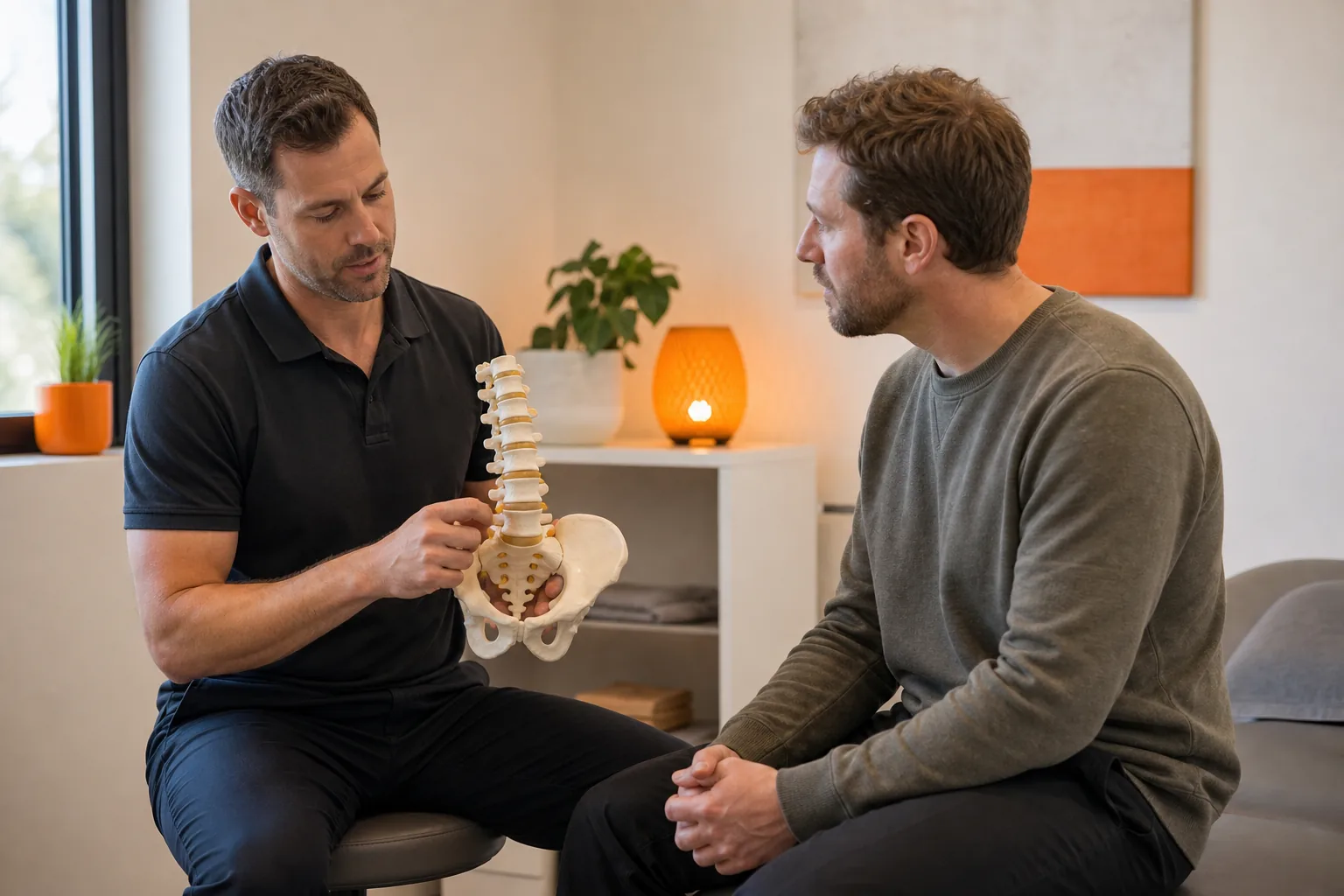
An appointment should start with questions, not a pre-set adjustment. Your chiropractor may ask when the pain began, what makes it better or worse, whether it travels, and how it affects sleep, work or walking. Tell them about injuries, pregnancy and other health conditions.
At Unleashed Health Chiropractic in Ascot Vale, an initial appointment includes a medical history and physical, neurological, orthopaedic and chiropractic examinations, along with a postural assessment. Spinal X-rays are covered by Medicare if clinically indicated. Imaging isn’t needed for every person, and it should only be considered when the clinical assessment supports it.
A movement check may look at how your back and hips move, where symptoms appear, and whether strength or sensation needs review. The findings help shape a working diagnosis. They don’t always point to one clear structure. Your assessment and care plan should be based on your needs and reviewed as appropriate, rather than following a fixed treatment recipe.
Once there’s a working diagnosis, your chiropractor should explain the options and ask for your consent. Unleashed Health Chiropractic lists Diversified and Thompson techniques, Applied Kinesiology, dry needling and rehabilitation exercises among its chiropractic services. Which, if any, fits depends on your assessment and preferences.
A treatment plan may change if your symptoms change or care isn’t helping. You should be able to ask what a technique involves, what it aims to address, and what other options are available. You can pause or decline a technique.
We tailor care to your goals and response. If a finding suggests your pain may not be a musculoskeletal problem, the next step may be referral to a GP or another health professional instead.
Self-Care, Pelvic Floor Considerations and When to Seek Medical Advice
For mild discomfort that seems linked to movement, keep activity gentle and change position regularly. A short, easy walk may feel better than staying in one position for a long time. Stop or scale back any movement that causes sharp pain, new tingling or symptoms that travel further down your leg.
You could try a small pelvic tilt while lying on your back with knees bent, or a comfortable hip movement without forcing the stretch. Aim for an easy range. A pop or click isn’t a sign that a joint has been corrected, and you don’t need to make one happen.
If your discomfort feels like tightness near the front of the hip, gentle hip-flexor movement may be worth discussing with a health professional. Our guidance on gentle hip-flexor exercises can help you think about suitable movement and when to stop.
Pelvic floor symptoms call for a wider view. The pelvic floor is a group of muscles that support the pelvic organs and help with bladder and bowel control. Pelvic pain can also relate to gynaecological, digestive or urinary conditions, or muscle and nerve irritation. Persistent pelvic pain is defined by Healthdirect as pain in the pelvic area lasting six months or more, and its causes can involve more than one factor. Read Healthdirect’s information on persistent pelvic pain for an overview of possible causes and care pathways.
Don’t assume that pelvic floor pain needs strengthening. Some people may need help with relaxation or coordination instead. A GP can assess symptoms and guide referral to the right health professional, such as a pelvic health physiotherapist or another clinician.
Seek urgent medical care if you have sudden severe pain, fever with pelvic pain, or new loss of bladder or bowel control. New loss of feeling or movement in a limb also needs urgent assessment. If pain began after a serious injury, get medical care promptly. For ongoing or unexplained pelvic pain, arrange a GP review rather than relying on chiropractic care alone.
Pro Tip:Note when your pain starts, what movements affect it, and any related bladder, bowel or menstrual changes. That record can help your GP or chiropractor understand the pattern.
Frequently Asked Questions
Can a chiropractor help with pelvic pain?
A chiropractor may help assess pelvic pain when it appears linked to muscles or joints around the lower back and hips. Care might include advice, movement work or a suitable manual technique. Pelvic pain has many possible causes, though. A chiropractor should recommend medical review when symptoms suggest an issue outside musculoskeletal care.
Can a tilted pelvis cause hip or back pain?
A change in pelvic position may affect how you move, but it doesn’t prove that the position caused pain. Hip stiffness, injury or other movement changes can also affect the lower back and pelvis. An assessment looks at your symptoms and function rather than treating posture alone as the diagnosis.
What does SI joint pain feel like?
SI joint pain may feel like an ache or sharp pain near one side of the lower back or upper buttock. It can be worse with some movements, such as standing on one leg. Similar symptoms can come from other causes, so pain location by itself can’t confirm an SI joint problem.
When should I see a doctor for pelvic pain?
See a doctor for pelvic pain that is severe, unexplained, persistent or linked with other health changes. Seek urgent care for sudden severe pain, fever with pelvic pain, new loss of bladder or bowel control, or loss of feeling or movement in a limb. After a significant injury, get prompt medical assessment.
Conclusion
Pelvic pain deserves an assessment that considers more than posture or one joint. If your symptoms seem linked to movement, we can discuss whether chiropractic care is suitable at Unleashed Health Chiropractic in Ascot Vale. For persistent, unexplained or urgent symptoms, start with a GP or urgent medical service. We look forward to helping you choose a safe next step.


Comments