


Does Chiropractic Help Sciatica? What to Know
Yes, chiropractic can help sciatica, but it isn’t a magic fix. Below we break down what sciatica is, how a chiropractor works on it, what to expect at Unleashed Health Chiropractic , and when you might need a different route.
Table of Contents
What Is Sciatica, and Why Can It Cause Leg Pain?
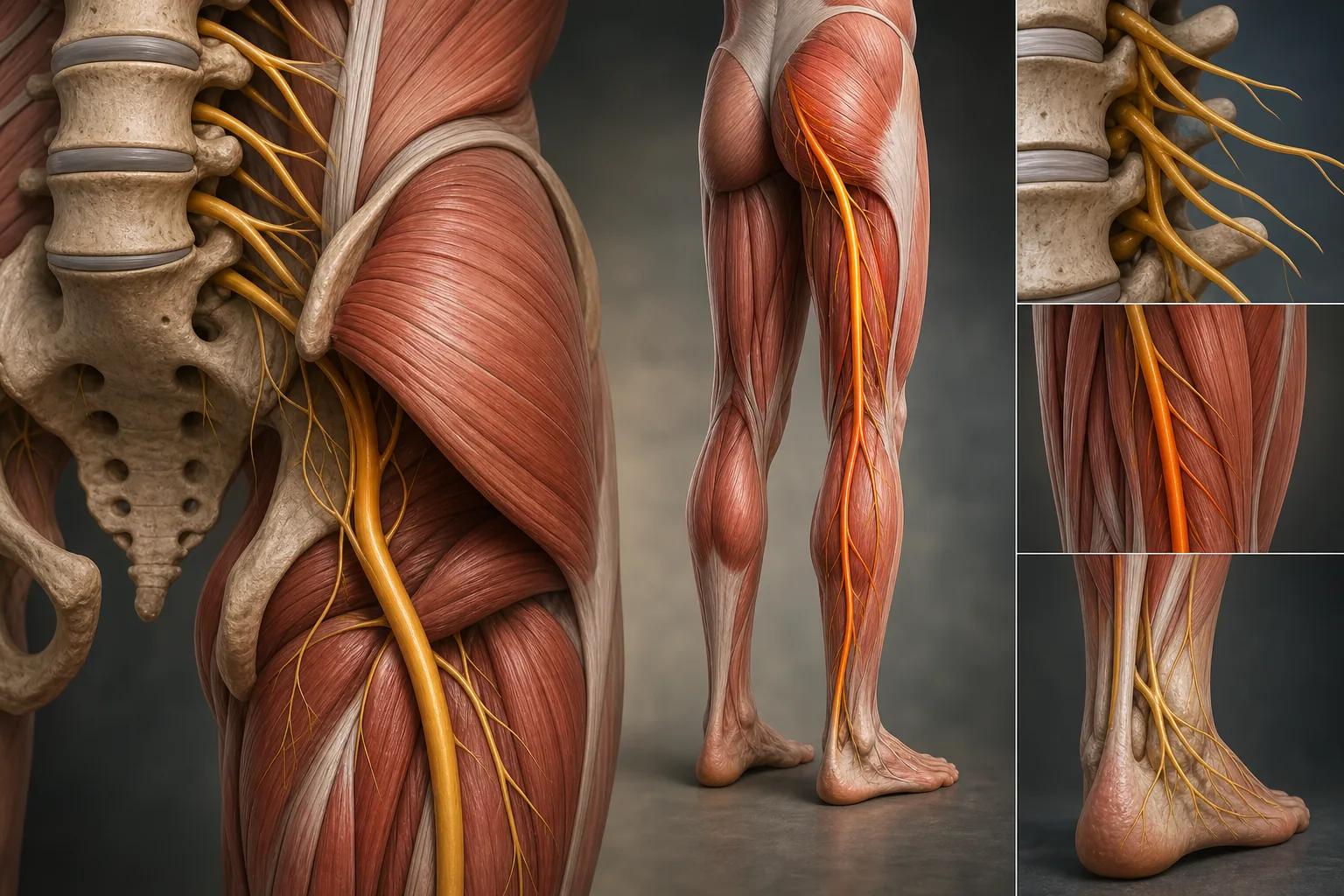
Sciatica is a symptom pattern, not a disease. It shows up as sharp, electric pain, tingling, or numbness that runs from the lower back, through the buttock, and down the leg. The sciatic nerve is the biggest nerve in the body, about the size of a thumb, and it splits into branches that reach the calf, shin, and foot. When anything squeezes or irritates the nerve along that path, the brain registers pain along the whole line.
The irritation can be mechanical, like a slipped disc pressing on a nerve root, or chemical, where inflammation releases pain‑triggering substances. That mix of pressure and inflammation makes the signal feel like a bolt of electricity.
Most people feel the pain below the knee when the nerve root itself is involved (radiculopathy). If the pain stays higher, in the buttock or thigh, it’s often a referred ache from a tight piriformis muscle or a facet joint.
Understanding where the pain comes from guides treatment, a disc problem needs a different approach than a tight muscle.
What is Chiropractic, Ascot Vale, Unleashed Health Chiropractic explains how we look at the whole spine, not just the symptom.
Key Takeaway:Sciatica is a nerve‑root symptom that can stem from discs, joints, or muscles, and pinpointing the source is the first step to relief.
How Chiropractic Care May Help Some People With Sciatica
Chiropractors use spinal manipulative therapy (SMT) to move vertebrae back into better alignment. That can reduce pressure on the nerve root and calm the inflammation.
A 2025 systematic review found SMT produced the largest leg‑pain reductions for chronic sciatica compared with placebo. The same year, patients who received chiropractic spinal manipulation had fewer opioid‑related complications over a year than those who got usual medical care.
At Unleashed Health Chiropractic we combine adjustments with soft‑tissue work, targeted stretches, and rehab exercises. The goal is to free the nerve, restore movement, and give you tools to stay pain‑free.
Not everyone responds the same way. People with severe structural issues may need additional imaging or surgery, but many see relief within a few weeks of consistent care.
What a Sciatica Appointment at Unleashed Health Chiropractic May Involve
When you walk in, the first step is a thorough history. We ask when the pain started, what makes it worse, and any red‑flag symptoms.
Next comes a physical exam. We check posture, range of motion, and perform specific tests that isolate the sciatic nerve. If we suspect a disc problem, we may order an X‑ray or refer you for an MRI.
The core of the visit is the adjustment. Using a low‑force technique, we gently move the joint that’s pinching the nerve. Many patients feel a pop or a light stretch, then a quick drop in pain.
After the adjustment we give you a set of home exercises, often simple stretches for the piriformis and hamstrings, plus advice on posture and activity. Follow‑up appointments are scheduled every one to two weeks until pain eases.
For a safe home routine, see this linked resource . The plan is tailored to how you move and where you feel tension.
When Chiropractic May Not Be the Right First Step
Chiropractic isn’t a cure‑all. Certain red‑flag signs mean you need urgent medical care before any adjustment.
Severe weakness in the foot or leg, loss of bladder or bowel control, sudden loss of sensation around the saddle area, or a rapidly worsening pain pattern are signs of cauda equina syndrome, a medical emergency.
If you have an active infection, severe osteoporosis, or a recent fracture, manipulation could cause more harm. In those cases we’ll refer you to a specialist.
Some people with very advanced spinal stenosis find that gentle mobilisations help, but many need a mix of physiotherapy and possibly surgical consultation.
We always check for these warnings and work with your GP or orthopaedic surgeon if they appear.
What Results Can You Reasonably Expect From Chiropractic Care?
Most patients report noticeable pain relief after 3‑5 adjustments, especially when the underlying cause is a mild disc bulge or tight muscle.
Full functional improvement, being able to walk, sit, and bend without sharp spikes, often takes 6‑12 weeks of regular visits plus daily home work.
We don’t promise a permanent fix for every structural issue, but we aim for a steady decline in pain and a stronger, more balanced back that resists future flare‑ups.
Keeping up with the prescribed stretches is key. For example, the “piriformis stretch” and “hamstring curl” we teach can be done in under five minutes each day.
To avoid moves that might aggravate sciatica, consider these exercise considerations . Staying active, not sedentary, usually yields the best long‑term outcome.
FAQ About Chiropractic Care for Sciatica
Does chiropractic actually reduce sciatic pain?
A 2025 systematic review and network meta-analysis found spinal manipulative therapy among the treatments with the largest leg-pain reductions for chronic sciatica.
How many visits will I need?
It varies, but most people feel improvement after 3‑5 visits and continue with maintenance every 2‑4 weeks for a few months.
Is it safe if I have a herniated disc?
Generally, yes. A skilled chiropractor assesses the disc and uses low‑force adjustments that avoid worsening the tear.
What if my pain gets worse after an adjustment?
Temporary soreness can happen, but sharp, increasing pain or new numbness should be reported immediately so we can re‑evaluate.
Do I need X‑rays before treatment?
Not always. We order imaging only if red‑flag symptoms appear or if the exam suggests a complex structural issue.
Conclusion
Chiropractic can be an effective, non‑surgical option for sciatica when the nerve is irritated by mild disc or muscle issues. If you’re in Ascot Vale, book an initial assessment at Unleashed Health Chiropractic and start the step‑by‑step plan that blends adjustments with home exercises.
Pro Tip:Record your pain level on a simple 0‑10 scale after each session. Watching the trend helps you and your chiropractor fine‑tune the plan.


Comments