


Pain at the Base of the Neck: Causes and Care
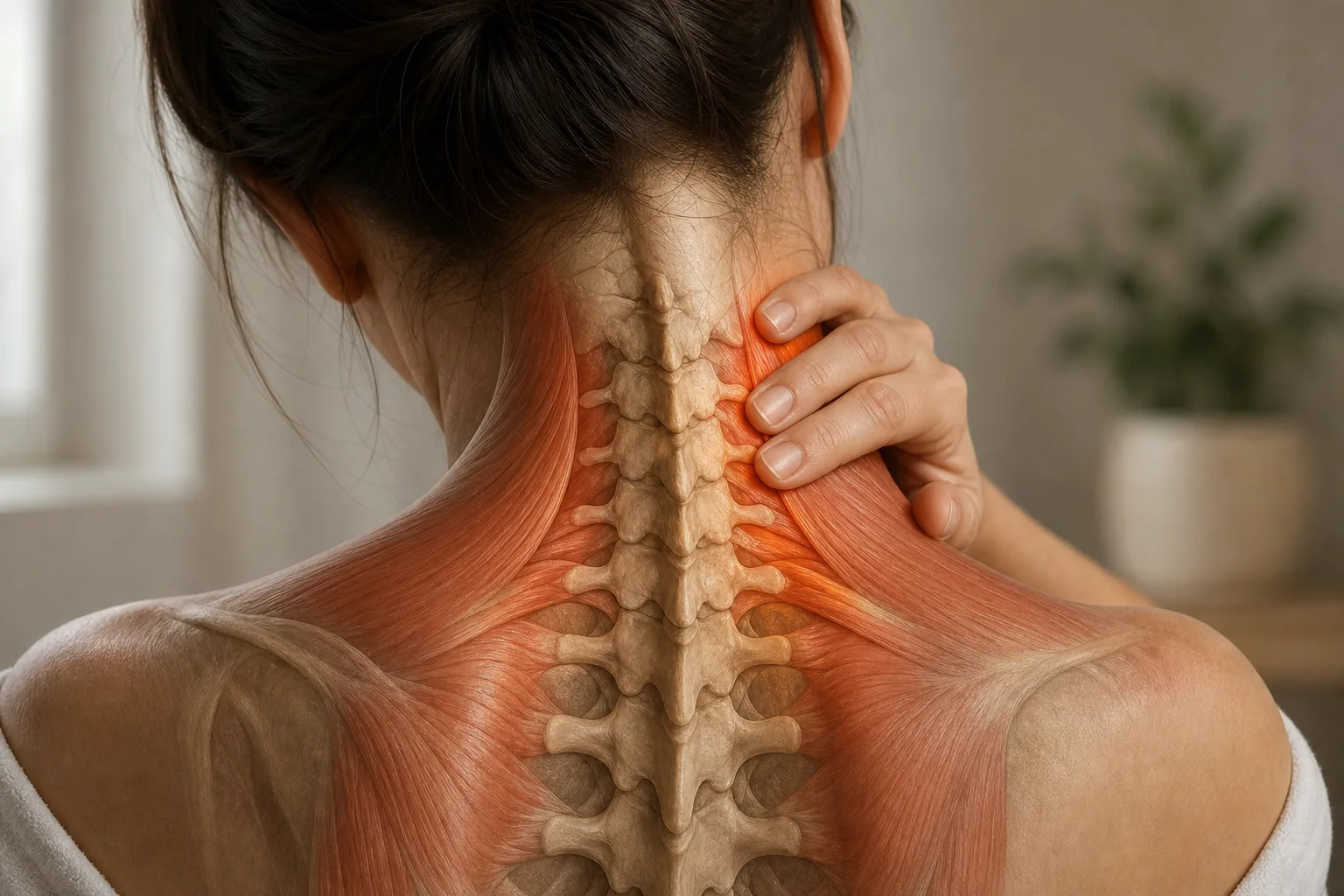
Pain at the base of the neck can follow a long day at a desk, a strained muscle or a night spent in an awkward position. Most neck aches aren’t emergencies, but some symptoms need prompt medical care. The cause, how long it lasts and any other symptoms help guide what to do next.
Table of Contents
Where the Pain Comes From: Neck Anatomy, Causes and Symptoms
The neck is the upper part of the spine. Its seven bones, called cervical vertebrae, support the head and protect the spinal cord. Muscles and joints help you turn and tilt your head, while discs sit between the bones. The lower neck meets the upper back, so strain in this area may feel close to the shoulders.
A common cause is muscle strain or tension. It can follow a sudden movement or a long stretch in one position. Stress and anxiety may also contribute to muscle tension. A fall or car accident can cause more serious injury, including whiplash or a fracture.
Other possible causes include age-related changes in the neck joints, a bulging or herniated disc, and narrowing around the spinal cord or nerves. These conditions can’t be identified by symptoms alone. Similar discomfort can have different causes, so an assessment may be useful if pain persists or keeps returning.
Symptoms range from a dull ache at the base of the neck to stiffness or pain when you turn your head. Some people feel pain that travels towards a shoulder or down an arm. Tingling, numbness or weakness in an arm or hand can point to nerve irritation and should be discussed with a health professional.
Neck pain can also come with a headache or difficulty moving your head. Notice what brings it on and whether it spreads. That detail can help a clinician understand the pattern.
If the discomfort is mostly on one side, our guide to left-sided neck pain explains some common patterns and when to seek advice.
Assessment, Referred Pain and When to Seek Medical Attention
An assessment usually starts with questions about when the pain began, what makes it better or worse, and whether there was an injury. A health professional may ask about other health conditions and past care, then check neck movement and look for tenderness or changes in arm sensation or strength.
Imaging isn’t needed for every case. A clinician may consider X-rays or other scans after an injury or when symptoms don’t improve. The choice depends on the history and examination.
An X-ray shows bones, while MRI and other scans give different views of bones and soft tissues. A scan isn’t a stand-alone diagnosis. Its findings need to be considered alongside symptoms and an examination.
In some cases, pain felt in the neck may relate to another area or cause. Shoulder problems can affect nearby muscles. Chest pain, shortness of breath or sweating alongside neck discomfort may signal a medical emergency, rather than a neck muscle problem.
A careful history helps identify warning signs. Seek prompt medical care for new or worsening weakness, loss of coordination, trouble walking, fever with a stiff neck, or numbness that is getting worse.
Sudden severe neck pain after a fall or accident needs urgent attention. If it follows a traumatic event, or occurs with chest pain, shortness of breath or sweating, call 000 for emergency help. Don’t try to manage those symptoms with exercises or manual treatment first.
For ongoing or unexplained symptoms, Unleashed Health Chiropractic in Ascot Vale can assess whether chiropractic care may suit your situation. We take the time to ask about your symptoms and health history, while medical warning signs need assessment by a doctor.
Treatment Options and the Role of Different Health Professionals
Care depends on the likely cause, symptom pattern and your health needs. A GP can assess general health concerns and decide whether tests or medical treatment are appropriate. A physiotherapist may guide movement and exercise. A chiropractor can assess musculoskeletal concerns and discuss care within chiropractic practice.
Some neck pain is managed with gentle activity and short-term changes to tasks that aggravate symptoms. Heat or ice may ease stiffness or discomfort for some people. A pharmacist or GP can advise whether an over-the-counter pain medicine is suitable for you, taking your health and other medicines into account.
Unleashed Health Chiropractic’s initial appointment includes a medical history and physical, neurological, orthopaedic and chiropractic examinations, as well as a postural assessment. Spinal X-rays may be covered by Medicare if they’re clinically indicated. The assessment helps inform whether a chiropractic plan fits your needs or whether another type of care is more suitable.
Chiropractic care may include different approaches. Unleashed Health Chiropractic lists Diversified and Thompson techniques, dry needling and rehabilitation exercises among its services. A method’s suitability depends on an individual assessment; no approach is right for everyone, and results vary.
If symptoms are severe, worsening or linked with a serious injury, medical assessment takes priority. Surgery may be considered by a medical team for certain conditions, but it isn’t a routine response to an ache at the base of the neck. A doctor can explain options if imaging or examination suggests a structural problem.
For neck discomfort that also comes with headaches, our overview of care options for neck pain and headaches outlines approaches to discuss with a health professional.
Self-Care and Prevention: Movement, Workstation and Sleep
If there was no injury and symptoms are mild, gentle movement may be more useful than holding your neck still. Keep moving within a comfortable range. Stop if an action causes pain, and don’t try to push through a sharp or worsening symptom.
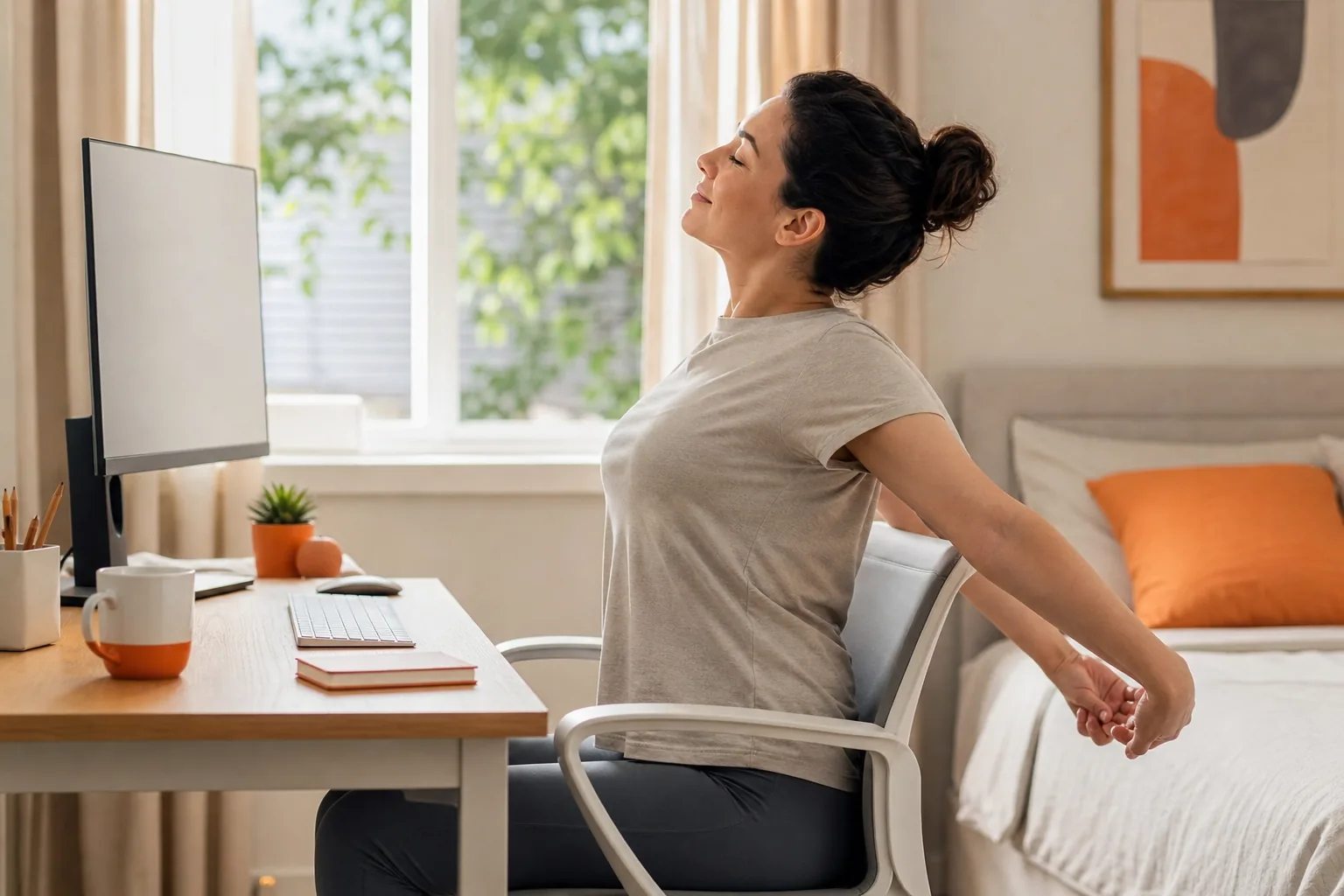
Take short movement breaks during long periods of sitting. Change position and move your shoulders or neck gently.
Set your screen at a height that lets you look ahead, rather than holding your head bent down for long stretches.
Try a heat or ice pack for stiffness or pain, wrapped so it doesn’t sit directly on your skin.
Choose a pillow that feels comfortable and keeps your head and neck in a natural position. A pillow that is too high may leave your neck tilted.
Ask a GP or physiotherapist whether guided exercises suit your symptoms, especially if pain travels into an arm.
There isn’t one pillow shape that suits everyone. A pillow that keeps your head and neck in their natural position, without being too high, can help prevent neck pain. Comfort and fit matter, and persistent pain may need assessment.
If you wake with stiffness often, note your sleep position and pillow height before making changes. Read more about pillow height .
Neck braces and collars aren’t a default fix for everyday neck pain. Use one only if a health professional advises it, and follow their guidance about how long to wear it. If pain started after an accident, seek medical advice before trying self-care.
We understand that everyone’s symptoms and daily demands differ. Unleashed Health Chiropractic can assess neck concerns in Ascot Vale and discuss whether its approach is suitable. Keep a simple note of when symptoms occur and what affects them; that can make a conversation with a health professional more useful.
Frequently Asked Questions
What causes pain at the base of the neck?
Muscle strain or tension is a common cause, but it isn’t the only one. Joint changes, a disc problem or pressure near a nerve may also contribute. Stress can play a part in muscle tension. An injury may need prompt medical assessment, especially if pain is severe or comes with weakness or numbness.
When should I see a doctor for neck pain?
See a doctor promptly if pain is worsening, follows an injury, or comes with fever, arm weakness, worsening numbness or loss of coordination. Seek emergency help for sudden severe pain after trauma. Neck discomfort with chest pain, shortness of breath or sweating also needs emergency assessment.
Can neck pain cause a headache or arm tingling?
Neck pain can occur with headaches or difficulty moving the head. Pain, numbness or tingling that travels into an arm may involve nerve irritation, but only an assessment can help clarify the cause. Seek medical advice if these symptoms are new, worsening or affect your strength or coordination.
Should I use heat or ice for neck pain?
Heat or ice may help ease stiffness or discomfort for some people. Wrap a pack in cloth and use it in a way that feels comfortable. Don’t apply it directly to your skin. If pain began after an accident, or symptoms are severe or worsening, seek medical advice rather than relying on home care.
Can a chiropractor assess pain at the base of my neck?
A chiropractor can assess musculoskeletal symptoms and discuss whether chiropractic care may suit you. At Unleashed Health Chiropractic, an initial appointment includes a medical history and physical examinations. A chiropractor should refer you for medical assessment when symptoms suggest a problem outside chiropractic care or need urgent attention.
Conclusion
For mild neck discomfort without injury or warning signs, keep movement gentle and review your desk and pillow setup. Seek medical advice if symptoms persist, worsen or spread. If you’re in Ascot Vale or nearby, you can contact Unleashed Health Chiropractic to ask whether an assessment may suit your needs.


Comments