


Treatment for Back Pain Spasms: What Helps?
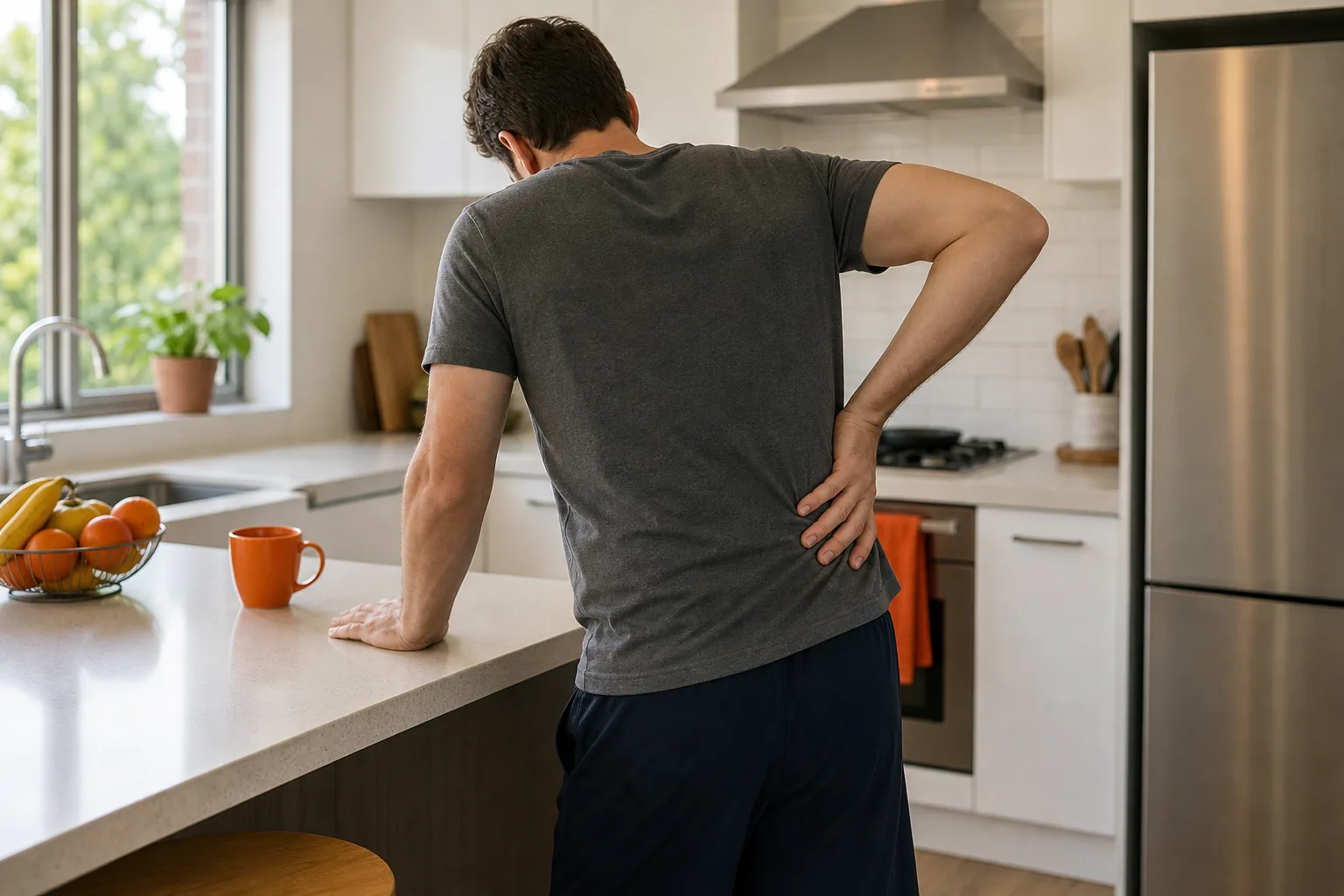
A back spasm can make a simple turn or bend feel suddenly hard. Treatment for back pain spasms depends on what may be causing the pain, how it affects you and your health history.
Heat, gentle movement and advice from a GP or pharmacist may help you manage symptoms. Here’s how common options fit together, and when to seek medical care.
Table of Contents
What Back Spasms Feel Like and What May Contribute
A back spasm is an involuntary tightening or cramp in one or more back muscles. It may feel like a sudden knot, a twitch or a sharp grab. The area can feel tender, and turning, bending or standing may be uncomfortable.
Spasms can follow a muscle strain, such as after lifting or making a sudden movement. Long periods in one position or repeated tasks may also place extra demand on back muscles. A spasm describes a symptom, though, and it doesn’t identify the cause on its own.
Where the pain sits and what brings it on can help guide an assessment. If your symptoms are mainly in the lower back, our overview of lower back pain treatment options explains how care may vary with the problem and your needs.
Some episodes settle without a clear cause being found. If pain spreads into your leg, keeps returning or limits your usual tasks, note when it began and what changes it. Those details can help a health professional decide what to check.
Treatment Options: Home Care, Medicines and Professional Support
For a new episode, choose a position that feels manageable, then change it now and then rather than staying still for long stretches. A short rest may suit a painful moment, but returning to gentle daily movement as you can may help limit stiffness.
A heat pack may ease discomfort for some people. Place a layer of fabric between the pack and your skin, and check your skin often so it doesn’t burn. Stop if the heat feels unpleasant or makes symptoms worse.
Medicine is another option to discuss. Over-the-counter NSAIDs block the body from making certain substances that cause inflammation and pain. Acetaminophen is thought to work by blocking the body from making certain substances that cause pain. Suitability depends on your health and other medicines, so ask a GP or pharmacist what fits you. Don’t exceed the directions on the packet or advice you’ve been given.
Muscle relaxants may help treat acute back pain with significant muscle spasm. Centrally acting muscle relaxants may cause a sedative effect or prevent nerves from sending pain signals to the brain.
Physiotherapy or chiropractic care may include an assessment and advice about movement or exercise. Unleashed Health Chiropractic in Ascot Vale takes a medical history and conducts physical, neurological, orthopaedic and chiropractic examinations. Any care plan should reflect your assessment and goals; results vary between people.
Chiropractic care may include hands-on techniques, but no single approach suits every cause of back pain. At Unleashed Health Chiropractic, the listed techniques include diversified and Thompson techniques, dry needling and rehabilitation exercises. You can read about how chiropractic care may fit into back-pain management before discussing whether an assessment is appropriate for you.
Movement, Everyday Ergonomics and Reducing Recurrence
When a spasm eases enough for you to move, start small. A gentle walk around the room or a few comfortable changes of position may be more manageable than a long stretch session. Build activity back gradually, and pause if a movement brings on new pain or makes your symptoms worse.
Simple back movements can include rolling your knees from side to side while lying down, or gently tilting your pelvis. Keep the range easy at first. Add exercise in small amounts, adjust activity to how you feel, and pause if symptoms worsen or new pain starts.
At a desk, change position from time to time and place items you use often within easy reach. For lifting, keep the load close and avoid twisting while carrying it. These are ways to reduce awkward effort, not a guarantee that spasms won’t return.
Once a flare settles, a gradual return to strengthening work may suit some people. A clinician or exercise professional can help you choose movements that match your current ability, especially if you have a diagnosed back condition or have had surgery.
If you’d like step-by-step ideas, our lower-back exercise guidance covers gradual movement and signs to pause. Keep any exercise gentle enough that it doesn’t leave your back worse overall.
Assessment, Tests and When to Seek Medical Help
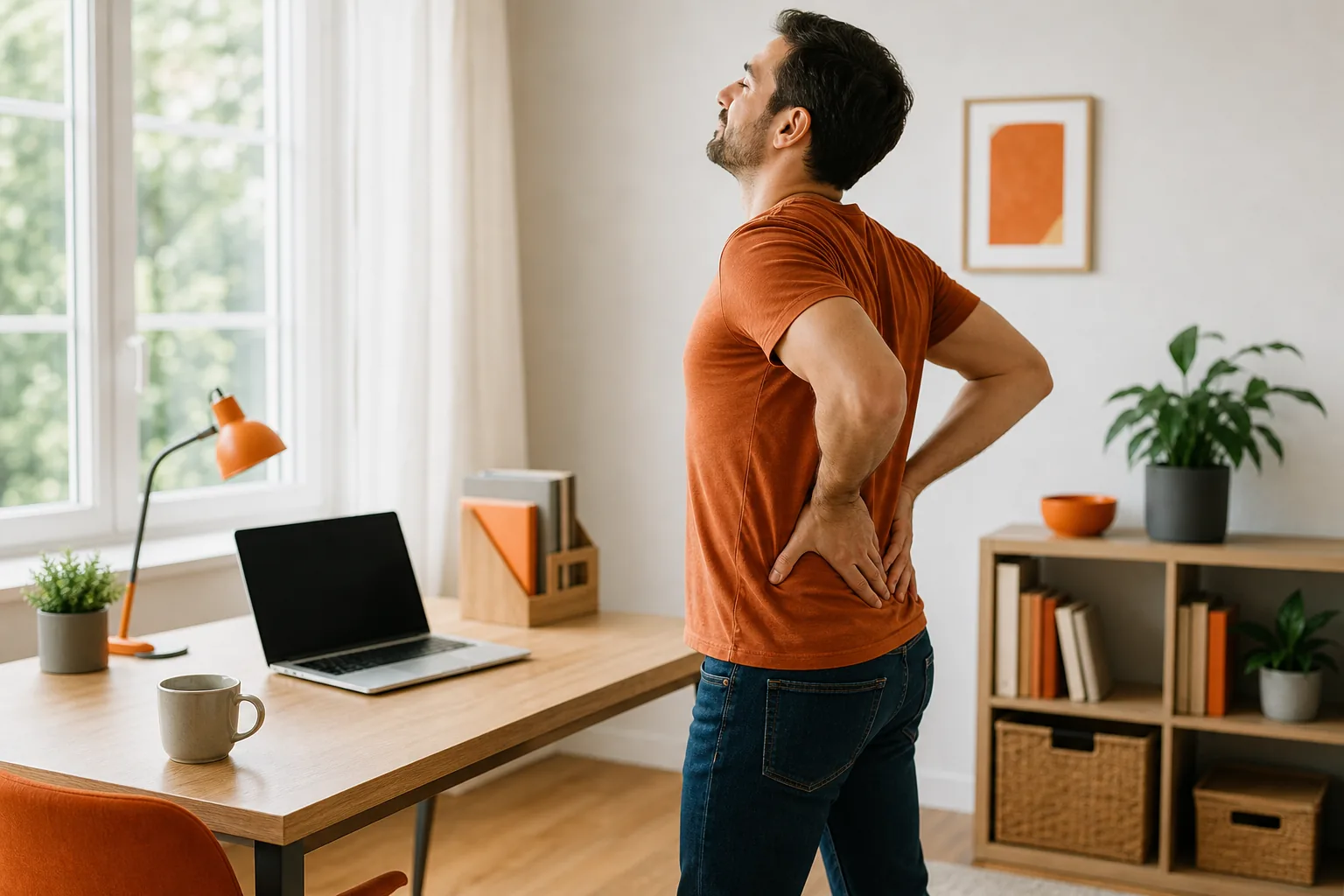
A health professional may ask when the pain began, where you feel it and which movements affect it. They may check your movement and, when relevant, your strength, sensation and reflexes. These checks help decide whether further care or tests are needed.
Scans aren’t needed for every episode of back pain. A GP can decide whether imaging is appropriate based on your symptoms and examination. At Unleashed Health Chiropractic, spinal X-rays are part of an initial appointment only if clinically indicated, and the clinic states these are covered by Medicare.
Seek emergency help if back pain occurs after a serious accident or injury, or with difficulty breathing. Contact a health service for further guidance.
See a GP if pain is worsening, keeps returning or is making daily activities hard. Seek urgent medical advice for new weakness or numbness, or changes in bladder or bowel control. If you’re unsure how urgent your symptoms are, contact a health service for advice rather than trying to diagnose the cause yourself.
Frequently Asked Questions
What helps a back spasm at home?
A comfortable position, gentle movement and a heat pack may help you manage a back spasm at home. Protect your skin from direct heat and stop if symptoms worsen. If pain is severe, persistent or linked with other worrying symptoms, contact a GP. A pharmacist can also advise whether a medicine is suitable for you.
Should I rest or keep moving with a back spasm?
Brief rest may help during a painful moment, but prolonged bed rest can make it harder to return to normal movement. Try changing position and resuming gentle activity as you feel able. Keep the pace gradual, and stop an exercise if it causes new pain or leaves your symptoms worse overall.
Can a chiropractor assess back spasms?
A chiropractor can take a history and assess movement and other relevant signs. That assessment may help clarify whether chiropractic care is appropriate or whether you should first speak with a GP or another health professional. Back spasms can have different causes, so no treatment approach should be assumed to suit everyone.
When should I see a doctor for back spasms?
See a GP if your pain is getting worse, keeps returning or is affecting everyday activities. Seek urgent medical care for new weakness or numbness, or changes in bladder or bowel control. Call emergency services if back pain follows a serious accident or comes with difficulty breathing.
Conclusion
Start with gentle movement and skin-safe heat if they feel comfortable, and ask a GP or pharmacist about medicines. If the spasms persist or limit your day, consider an assessment to discuss what may suit you. Unleashed Health Chiropractic in Ascot Vale can assess your needs and talk through care options without assuming one approach fits everyone.


Comments