


Understanding Pain Between Shoulder Blades and When to Seek Help
That tight ache between your shoulder blades can ruin a day. It often comes from everyday habits, but sometimes it signals something more serious. Below we explain where the pain comes from, what clues your body gives, easy adjustments you can try, and when a professional assessment is worth pursuing.
Table of Contents
Where the pain is—and what structures may be involved
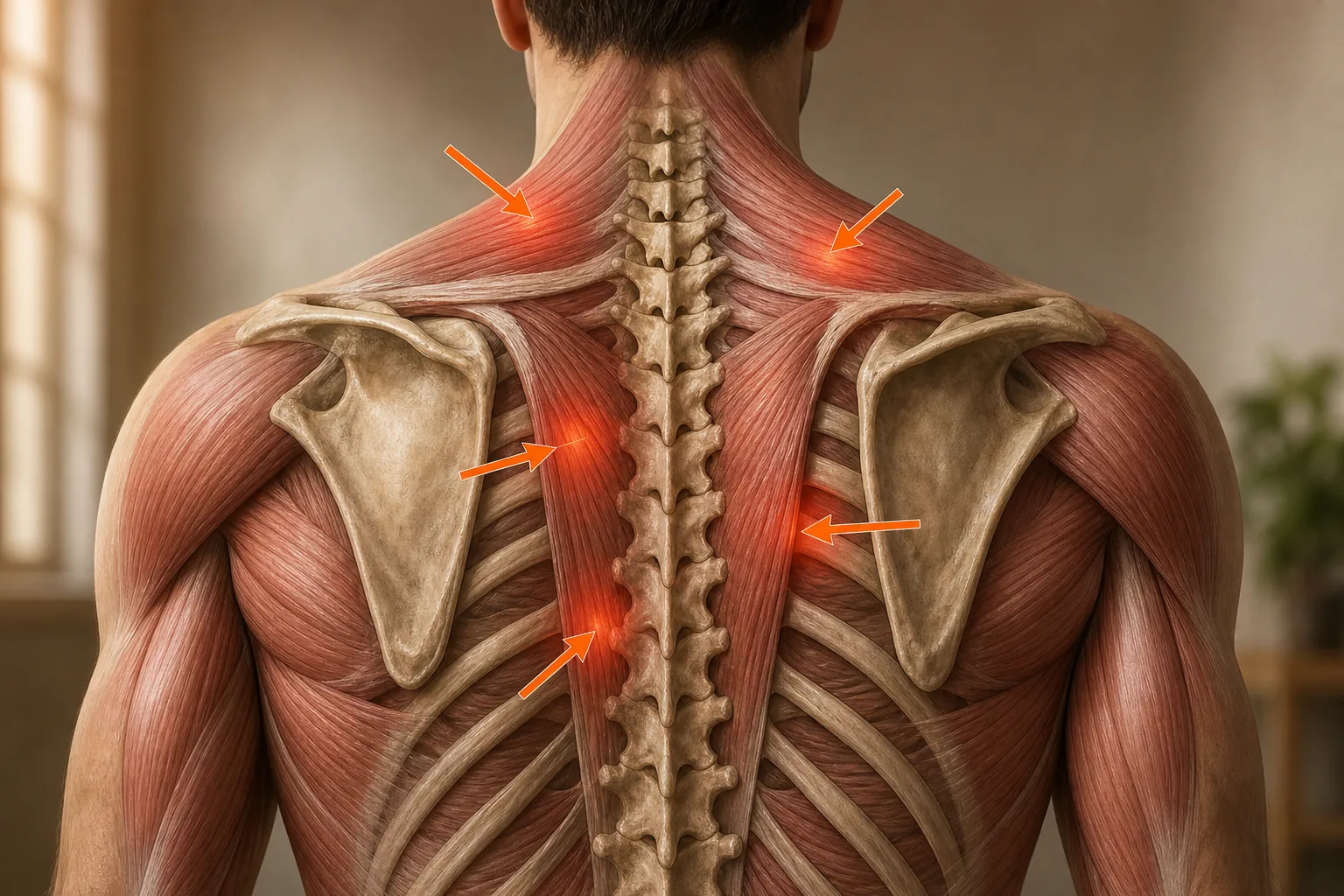
The area between the shoulder blades is called the interscapular region. It sits over the thoracic spine , the rib cage, and a web of muscles that move the scapulae. Those muscles include the rhomboids, levator scapulae, and middle trapezius. When they get over‑worked, they can tug on the bones and create a deep, aching sensation.
Because the scapulae float on muscle rather than bone, any imbalance in the neck, chest, or upper back can show up here. Poor posture, a forward‑head position, or a prolonged slouch can force the upper‑back muscles to work harder, leading to fatigue and pain.
In some cases, a nerve exiting the lower neck travels down to the shoulder blade area. If that nerve gets pinched, the pain can feel sharp or burning. That’s why a simple neck movement test can help you tell whether the source is muscular or neural.
Key Takeaway:The interscapular region is a convergence point for spine, rib, and muscle mechanics, so strain in any of those areas can cause pain.
Common reasons for pain between the shoulder blades
Most people discover the problem after a day of sitting at a desk or after a sudden lift. Below are the most frequent culprits.
1. Poor postureSlouching or a forward‑head position stretches the chest and over‑activates the upper‑back muscles. The extra load on the rhomboids and levator scapulae creates a dull ache that often worsens by late afternoon. For more information, see our shoulder blade pain article .
2. Muscle strainOver‑use, heavy lifting, or a sudden twist can overstretch the muscles between the blades. The strain may feel sharp at first, then settle into a constant soreness.
3. Arthritis or facet joint irritationWear‑and‑tear in the small joints of the thoracic spine can cause a deep, throbbing pain that gets worse with rotation or deep breathing.
4. Rib‑joint dysfunctionThe ribs attach to the spine at the costovertebral joints. An awkward movement, a violent cough, or a sudden sneeze can jolt those joints, sending a sharp jolt up to the interscapular area.
5. Nerve irritation from the neckA disc bulge or cervical facet irritation can refer pain down into the shoulder blades. Turning the head toward the painful side often makes the ache stronger.
Other less common triggers include scoliosis, a fall, or carrying a heavy shoulder bag for long periods. Each of these factors adds load to the same muscular chain, so the symptoms look alike even though the root cause differs.
Pro Tip:Keep a quick log of when the ache starts, what you were doing, and how long it lasts. Patterns in the log can guide a clinician toward the most likely cause.
How symptoms and movement can offer clues
Your body talks to you through the type of pain, its timing, and what makes it better or worse. Spotting the clues can save you time and unnecessary tests.
Location matters.A tight, dull ache centered directly between the blades often points to muscle fatigue or poor posture. A sharp, localized sting that pops with deep breaths may signal rib‑joint irritation.
Radiation is a red flag.If the discomfort shoots down your arm, tingles, or brings numbness, a nerve in the neck could be involved. That pattern is called cervicogenic dorsalgia and usually needs a medical assessment.
Movement response.Gentle neck extension (tucking the chin and looking up) that eases the pain suggests a postural component. Conversely, if rotating the neck toward the painful side worsens the ache, nerve irritation is more likely.
When you notice any of the following, it’s time to get checked out: sudden severe pain after a fall, unexplained fever, rapid weight loss, or weakness in the hand. Those signs can indicate a serious underlying issue that a simple stretch won’t fix.
Everyday adjustments that may ease upper‑back strain
Most of the time, small habit changes can relieve the ache without medication.
Micro‑breaks.Every 30 minutes, stand, roll your shoulders back, and take a few deep breaths. Moving the scapulae a little keeps the muscles from locking up.
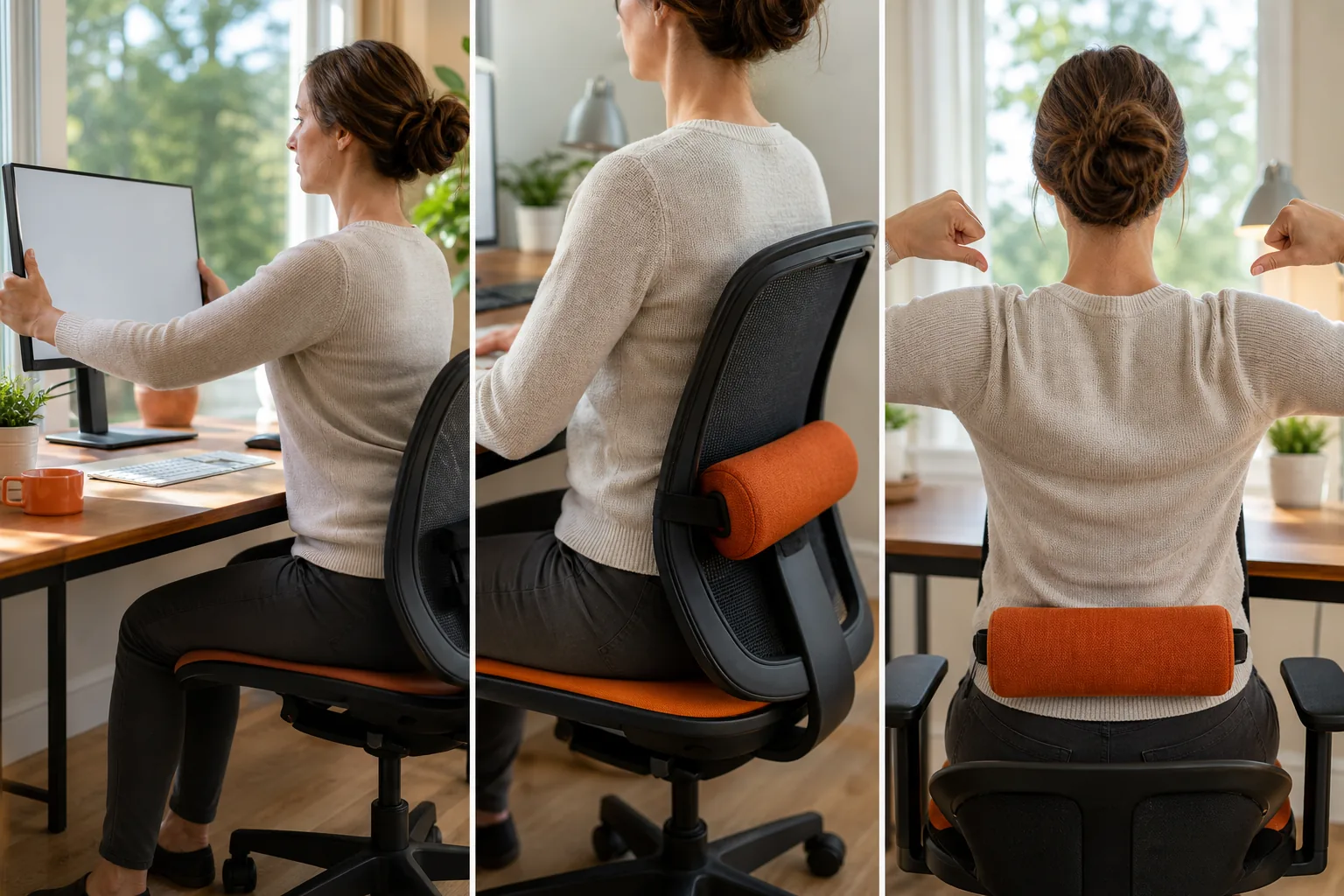
Desk ergonomics.Keep the monitor at eye level, elbows close to a 90‑degree angle, and feet flat on the floor. A lumbar roll can help maintain the natural curve of the lower spine, which in turn reduces the forward pull on the upper back.
Heat therapy.A warm pack or a hot shower for 10‑15 minutes relaxes tight fibers and improves blood flow. Follow with gentle shoulder‑blade squeezes: sit tall, pull the blades together, hold five seconds, repeat ten times.
Gentle stretch.Lie on a foam roller placed horizontally across the upper back. Let the spine extend over the roller for about a minute, then gently roll up and down. The movement opens the thoracic joints without forcing the neck.
If you carry a bag on one shoulder, switch to a backpack with two straps. Evenly distributed weight prevents the scapula on the loaded side from being pulled forward.
These tweaks cost nothing but time, and many people feel relief within a week.
When to seek medical care and what an assessment may involve
Most interscapular pain resolves with self‑care, but you should book an assessment if any red‑flag signs appear or the ache lasts more than two weeks despite gentle measures.
During a first visit, Unleashed Health Chiropractic will take a thorough medical history, check posture, and perform a physical exam that looks at muscle tone, joint mobility, and neurological function. If a spinal X‑ray is clinically indicated, Medicare can cover it in Australia.
The clinician may also assess the neck, because cervical issues often refer pain to the shoulder blades. Tests such as Spurling’s maneuver or gentle neck rotation help pinpoint nerve involvement.
Based on the findings, the chiropractor might suggest a combination of spinal adjustments, soft‑tissue therapy, and a tailored exercise program. All recommendations are tailored to your goals and comfort level.
Remember, a chiropractor does not replace a GP or specialist when a serious condition is suspected. If you notice sudden weakness, numbness, chest pain, or fever, see a doctor right away.
For more on how a tailored treatment plan can help you, see our Best Stretches for Upper Back Pain guide.
Frequently asked questions
What causes pain between the shoulder blades?
Most often it’s poor posture, muscle strain, or irritation of the thoracic joints. Less frequently, a neck‑related nerve issue or rib‑joint dysfunction can be the source.
How can I tell if the pain is muscular or nerve‑related?
If the ache stays in the middle of the back and eases with movement, it’s likely muscular. Sharp, shooting pain that travels down the arm, especially with tingling, suggests nerve involvement.
Are there simple exercises I can do at home?
Yes. Gentle shoulder‑blade squeezes, thoracic extensions on a foam roller, and chin‑tucks done several times a day can improve posture and reduce tension.
When should I see a doctor instead of trying self‑care?
Seek medical attention if you experience sudden severe pain after a fall, unexplained fever, rapid weight loss, weakness or numbness in the arm, or chest pain that makes breathing difficult.
What can a chiropractor do for this type of pain?
A chiropractor may perform spinal adjustments, soft‑tissue work, and prescribe a personalised exercise routine. The goal is to restore mobility and reduce muscle overload.
How long does it usually take to feel better?
Improvement varies. Some people notice relief after a few days of gentle movement, while others may need several weeks of consistent care and posture adjustments.
Conclusion
If the ache between your shoulder blades is mild and linked to posture, try the everyday adjustments above. Should the pain linger, spread, or come with any red‑flag signs, schedule an assessment at Unleashed Health Chiropractic to get a tailored plan.


Comments